
In brief
After a 40-year wait, Indian authorities have commenced the removal of toxic waste from the notorious Union Carbide plant in Bhopal, where one of the world’s deadliest industrial disasters occurred in 1984.
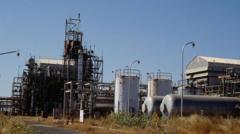
Authorities in India have begun the long-awaited process of removing hundreds of tonnes of toxic waste from the Union Carbide factory, site of one of the deadliest gas leaks in history, which devastated the city of Bhopal in December 1984. This significant move comes in compliance with a court order mandating the cleanup, as a staggering 337 tonnes of hazardous material were transported to an incineration facility located approximately 230 kilometers (143 miles) away, marking a crucial step in mitigating decades of pollutant exposure.Following the catastrophic event, which left thousands dead, the waste—comprising pesticide residue and so-called "forever chemicals," known for their persistent toxicity—has remained on-site, contaminating local groundwater and posing health risks to the community. An alarming study by the Indian Institute of Toxicology Research revealed widespread contamination of groundwater across 42 areas surrounding the factory.After years of inactivity, a ruling by the Madhya Pradesh state High Court prompted action, setting a four-week deadline for waste disposal. The initial phase of waste removal began on a recent Sunday, utilizing sealed containers transported via heavily guarded trucks. The operation was supported by a police escort and emergency response teams to ensure safety during transit.Despite the cleanup efforts, community activists and neighbors of the incineration site have raised alarms about the health implications of transporting and burning this toxic material, recalling a failed trial incineration in 2015 that reportedly led to additional contamination of nearby soil and water sources. Activists, including Rachna Dhingra from the International Campaign for Justice in Bhopal, have voiced concerns that relocating the waste may create long-term problems, comparing it to a "slow-motion Bhopal" scenario.The legacy of the Bhopal gas tragedy remains haunted by unfulfilled justice. While the Indian government originally estimated around 3,500 immediate deaths, many activists claim that the true toll surpasses 15,000 when considering long-term health consequences. Although Union Carbide reached an out-of-court settlement in 1989, critics argue that accountability for the disaster's ramifications remains elusive. The recent cleanup operation has reignited discussions about responsibility, remediation, and the ongoing plight of Bhopal’s victims.
