In brief
Lidia Thorpe, an Aboriginal senator, has faced backlash and a censure from her peers after heckling King Charles during his recent visit to Australia, reflecting deep-rooted issues regarding colonial legacy and indigenous rights in the country.
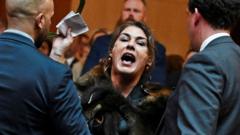
Australian lawmakers took a decisive stance against independent Senator Lidia Thorpe, issuing a formal censure for her vocal protest during King Charles's recent visit to the nation's capital. Thorpe's interruption in Canberra's Great Hall—where she shouted phrases such as "you are not my King" and "this is not your land"—was intended to spotlight the historical impacts of British colonization on Aboriginal peoples. The Senate, comprising predominantly members from major political parties, voted 46-12 to censure Thorpe, citing her actions as "disrespectful and disruptive." While the censure holds no legal ramifications, it reflects widespread disapproval within the parliamentary community. Following the vote, Thorpe expressed her frustration at being denied the opportunity to respond in the chamber due to travel delays, asserting that her protest was necessary given the British Crown's historical wrongs against Indigenous Australians. Thorpe's actions have ignited a polarized reaction across the political spectrum. While many politicians condemned her behavior, others, including various activists, praised her for bringing attention to the ongoing struggles faced by Indigenous Australians, who continue to deal with significant disadvantages in health, education, and overall well-being compared to the broader population. The senator has long been a proponent of establishing a treaty between Australia's government and its Indigenous peoples—a contentious issue as Australia stands out among former British colonies, lacking such agreements. The absence of a treaty has led to significant discourse about sovereignty and land rights among Aboriginal and Torres Strait Islander communities. During the King’s tour, he was welcomed by many Australians, including Prime Minister Anthony Albanese, who acknowledged the complexities of Australia's relationship with its colonial past and current debates about monarchy and governance. Thorpe's history of activism had previously put her at odds with conventional political norms; she had drawn notable attention during her swearing-in ceremony in 2022 for her critical remarks about historical British leadership, prompting calls for her to retake her oath.Last year's failed referendum on constitutional recognition for Aboriginal and Torres Strait Islander peoples also underlines the contentious political landscape regarding Indigenous rights in Australia. Thorpe's position was notably against the proposal, viewing it as insufficient. With these ongoing challenges, the recent censure of Thorpe underscores enduring debates about identity, representation, and the future of Indigenous rights within Australia.