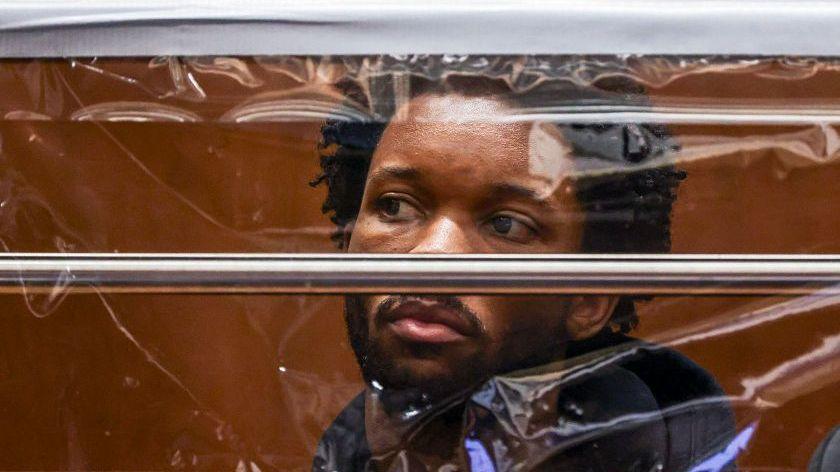
A 28‑year‑old Venezuelan, Wilber Rafael Garces Perez, is now the center of a growing legal battle after he was shot in the back by Immigration and Customs Enforcement officers during a vehicle stop in Texas. The shot fractured his clavicle and left a bullet lodged in his spine.
The case gained national attention when Judge Orlando Garcia, a Clinton appointee, temporarily blocked the man’s deportation, ordering that the defendant appear in person on September 30. The restriction follows concerns that the detainee was not receiving adequate medical care and was transferred under harsh conditions, according to his lawyer, Kate Lincoln‑Goldfinch.
Lincoln‑Goldfinch has filed a temporary restraining order in federal court to keep the driver in the United States while the case is processed. She posted that his treatment “is not adequate” and that the detention staff had removed his communication privileges and moved him to an isolated room with a non‑adjustable bed.
The Department of Homeland Security (DHS) has denied the allegations, calling the incident “false narratives” spread by media and sanctuary city advocates. The agency reiterated that the individual was an illegal alien who had been the target of a targeted vehicle stop, and that he received “around the clock” medical treatment.
The incident follows a pattern of high‑profile ICE shootings in Texas. Besides the tragic outcome, the event sparked protests in Austin, with demonstrators demanding that ICE leave the city and hold an independent investigation.
Texas lawmaker Joaquin Castro called for the Venezuelan national’s release and pressed local and state officials to investigate. A video released by the Austin Police Department shows the moment of the shooting and the agents’ movements, though it does not depict the actual gunfire.
While the temporary restraining order keeps the driver in the U.S. for now, his lawyer says the fight continues. “He still needs proper medical care, and we will keep fighting to protect his rights,” she wrote. The decision has opened a new chapter in the debate over ICE’s use of force and the treatment of detainees in federal custody.