Four bodies found on Jeju amid police scandal. Police investigators confirmed that four missing‑person cases on the island have turned up dead, including 37‑year‑old Jang Mi‑ran whose disappearance in May now points to suicide.
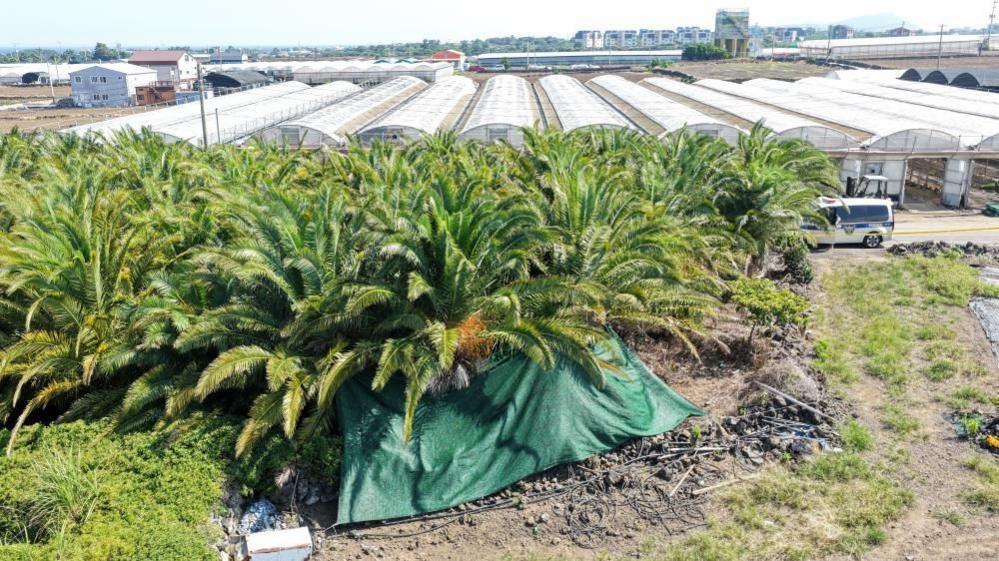
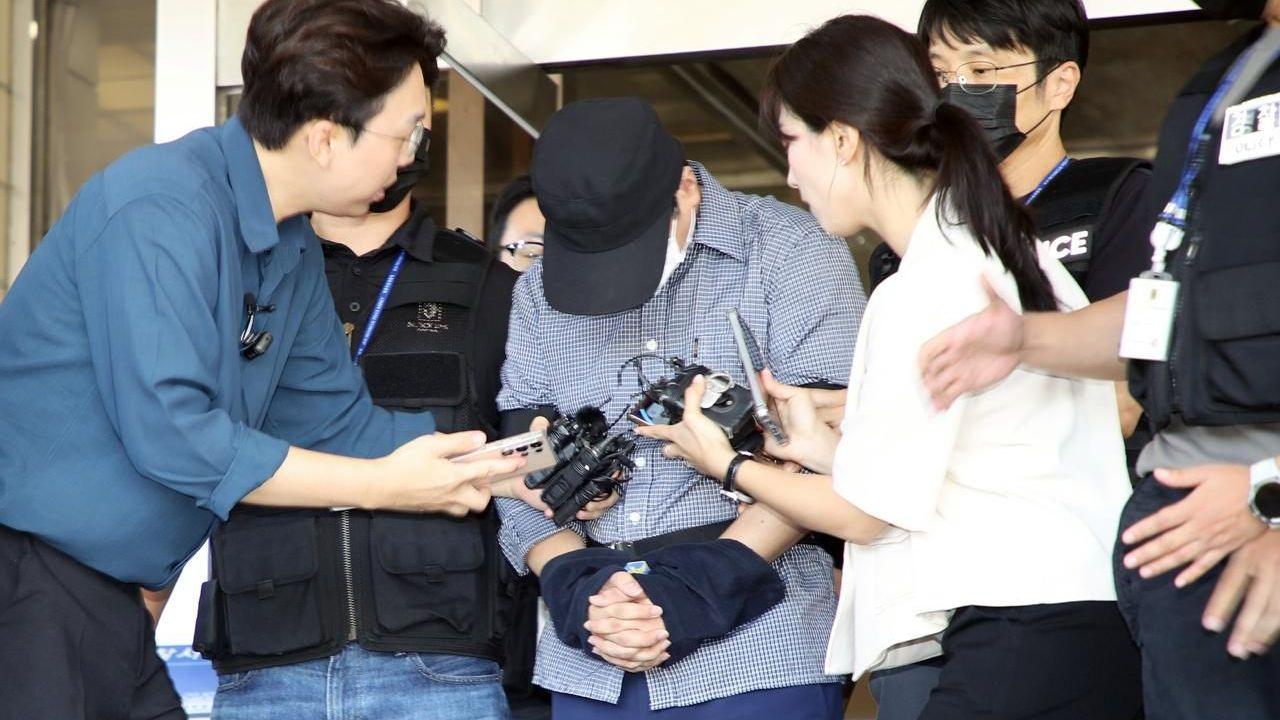
The body of Jang was located at a palm‑tree farm about 500 metres from her home, where authorities believed she had taken her own life. The investigation revealed that a senior sergeant, surnamed Bu, had prematurely closed her case without confirming her whereabouts, and allegedly told her boyfriend that Jang had said she did not wish to speak to him.
On Saturday police found the body of an unnamed man in his 60s who had gone missing on 28 June. Bu also closed this case and reportedly informed the family that the man was "safe" but could not be located, a claim later contradicted by a son who learned of his father’s death after 51 days.
The scandal has sparked nationwide outrage, prompting President Lee Jae‑myung to call a cabinet meeting and order a sweeping reform of the police force. He warned that the recent breakdown in police discipline and public safety has become a serious problem and urged the government to restore public trust in an institution that wields significant power.
The police chief faced an emergency hearing last week, where he admitted that a fault exists in the system. The issue comes at a politically sensitive time, as recent reforms have transferred full investigative power from prosecutors to the police—a move intended to limit prosecutors’ influence in politics but unpopular with the public who accuse police of corruption and incompetence.
Jeju, known for its rows of palm trees, crystal clear waters, and tourism splendor, receives over 13 million visitors a year. However, despite low violent crime, Korea reports one of the world’s highest suicide rates, making missing‑person cases a sensitive and high‑profile issue for authorities.
With reporting by Hosu Lee and Leehyun Choi in Seoul