
In brief
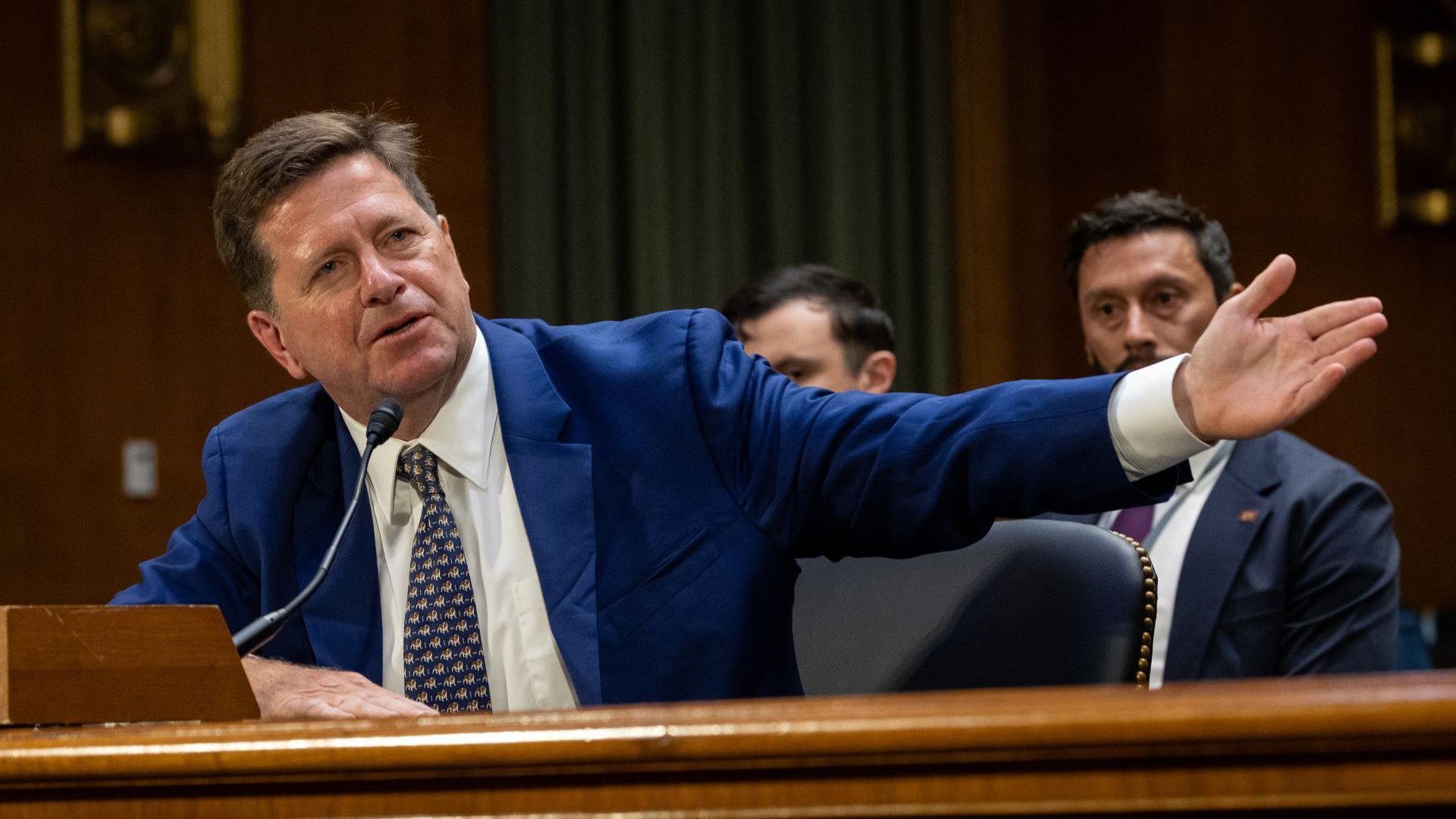
Jay Clayton has been confirmed by the U.S. Senate as Director of National Intelligence, taking over from acting DNI Bill Pulte who faced backlash for his lack of intelligence experience. Clayton, who served as U.S. attorney for the Southern District of New York, brought a law‑enforcement background to the role, which had been vacated by Tulsi Gabbard amid political turmoil. His confirmation is expected to influence key policy debates, including the reauthorization of Section 702 of FISA, and has drawn scrutiny from both sides of the political aisle regarding his readiness to confront political pressure.
Jay Clayton has been confirmed as the next Director of National Intelligence after President Donald Trump’s original pick was rejected. The US Senate voted 51‑47 on Tuesday to install Clayton, replacing acting DNI Bill Pulte.
Pulte, the former federal housing regulator, had been nominated by Trump but was criticized for lacking any national intelligence experience. Clayton had previously served as US attorney for the Southern District of New York, overseeing high‑profile cases such as the drug‑trafficking prosecution of former Venezuelan President Nicolas Maduro.
Trump praised Clayton on Truth Social, calling him “outstanding” and a “spectacular job” as director.
Clayton succeeds former DNI Tulsi Gabbard, who resigned earlier, and takes over after a period of political uncertainty that included staff cuts and controversial appointments under Pulte.
Shortly before his appointment, Pulte publicly revealed a 30‑percent staff reduction he had executed. Trump had delayed Pulte’s initial Senate hearing in protest of a lapse in FISA authorisation.
Although Democrats initially welcomed Clayton as a conventional nominee, his confirmation hearing raised concerns. Senators questioned his stance on the 2020 election and his potential ability to resist political pressure, with Senate Intelligence Committee Vice‑Chair Mark Warner expressing reservations.
Clayton’s confirmation could help revive congressional negotiations on Section 702 of the Foreign Intelligence Surveillance Act, a key provision that permits monitoring foreign communications without individual warrants. Senate Majority Leader John Thune said he hopes Clayton’s appointment will push colleagues to stop blocking the reauthorisation of FISA.

