Japan’s recent record of extreme heat has forced authorities to seek bold solutions. In the past two months, more than 53,000 people have been treated for heatstroke, with 79 confirmed deaths, according to a Health Ministry report. Faced with a severe crisis, a company named Ki‑Tō has introduced a new device called the Do Hiemon, literally “cooling box,” that functions like a portable freezer for human bodies.
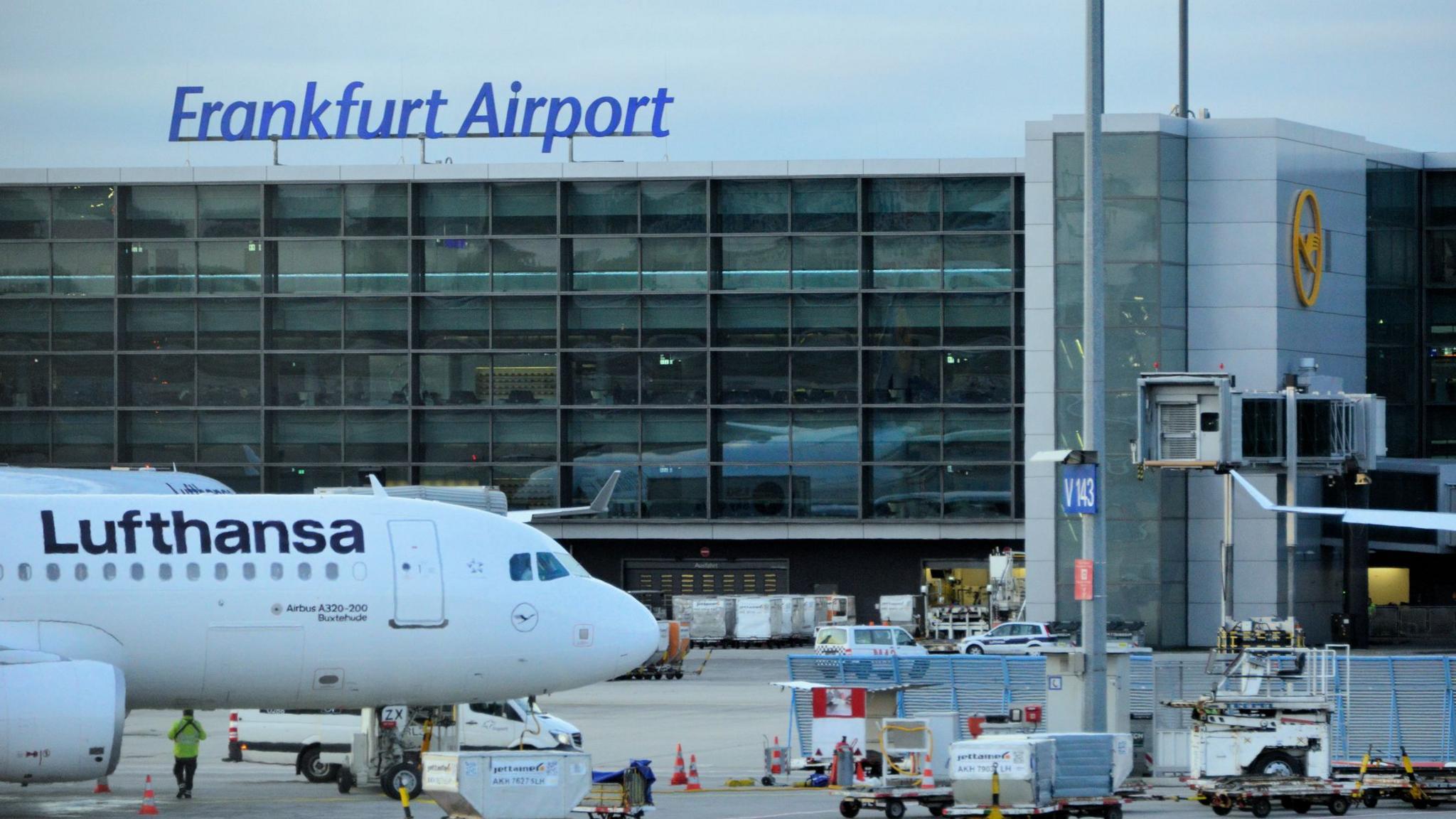
Each Do Hiemon costs ¥1.5 million (roughly $9,400) and is marketed to corporations and public venues such as vending kiosks, gyms, and airports. CEO Testsuya Nakayama explained to the BBC that the design was inspired by the compact, efficient layout of freezer vending machines found in convenience stores, allowing people to step into the box and receive a brief but intense cooling session. The machines can be deployed in locations where people tend to agglomerate during heatwaves.
Tokyo correspondent Kurumi Mori had a first‑hand look inside one of the units. “The interior is lined with cooling panels that keep the temperature down to about 7 °C for 15 minutes,” she reported. “It’s like stepping into a private, air‑conditioned space that’s short‑stretched for urgency.”
While the technology is praised for its immediate relief, privacy advocates worry about the risks of turning a personal space into a commercial product. The cost also raises questions about equity and funding: Who will pay for these units in public squares, and will they benefit low‑income residents who might otherwise bear the brunt of the heat?
Experts suggest that cooling units can be a useful stopgap measure, but full‑scale public health responses should combine tree planting, expanded shaded areas, and improved building codes. As research on the socio‑economic impact of “human fridges” is still in its infancy, policy makers must weigh the short‑term benefits against long‑term public trust.
Japan will keep monitoring usage and health outcomes of the Do Hiemon as the country’s heat‑wave season continues, and only time will tell if such “human fridges” become a mainstay of urban climate strategy.