
In brief
From Volocopter's investment struggles to Lilium's insolvency, the future of electric vertical take-off and landing aircraft becomes uncertain.
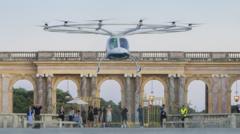
Despite ambitious plans to debut flying taxi services at the Paris Olympics, the dream of electric vertical take-off and landing (eVTOL) aircraft is hitting some serious roadblocks in Europe. Volocopter, a German company, had anticipated that its VoloCity aircraft would be operational during the event, but instead, they only conducted demonstration flights. Behind the scenes, it was revealed that Volocopter was desperately seeking additional investments to sustain its operations.The company's aspirations for a €100 million loan from the government collapsed in April, leaving it to look towards a potential 85% stake acquisition by Chinese automaker Geely for $95 million, as reported by Bloomberg. If successful, this deal could shift future production efforts to China, adding to concerns regarding the manufacturing and regulatory hurdles associated with novel aviation technology.Lilium, another prominent player in the eVTOL market, also encounters difficulties. The company previously captured attention with its unique design of using 30 tilting electric jets. Though they announced substantial orders for their jets globally, financial struggles have led them to insolvency proceedings, following failed attempts to secure government-backed loans, leading to their shares being delisted from NASDAQ.Vertical Aerospace, hailed as a high-profile British contender, has seen mixed results as its VX4 aircraft progresses through testing, including recently successful untethered take-offs. However, the firm is also grappling with financial pressures, compounded by a crucial partner, Rolls Royce, pulling out of their electric motor supply agreement. While Vertical Aerospace plans to deliver 150 aircraft by the decade's end, the road ahead remains rocky as they seek additional financing or restructuring.In contrast, Airbus's CityAirbus NextGen project appears to be progressing without the same fiscal turbulence that its competitors face. Experts believe the project is likely to continue due to strong backing and technical expertise. The industry remains abuzz with anticipation over whether established companies and new entrants, like US-based Joby and Archer, can successfully bring their aircraft to market.As investors navigate a landscape fraught with uncertainty, the question lingers: will there be a viable market for flying taxis, or will operational costs, particularly those relating to pilots and battery replacements, continue to stymie the dreams of a flying taxi revolution?
