In brief
According to the latest NOAA Arctic Report Card, the Arctic is warmer and releasing more carbon dioxide due to climate disruption, marking a pivotal moment in global warming dynamics.
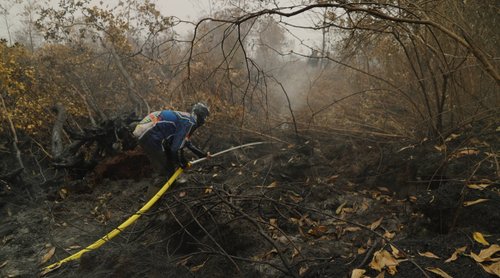
For millennia, Arctic tundra has served a crucial role in regulating Earth's climate by absorbing carbon dioxide and storing it in the cold, barren soil. However, the effects of climate change are now shifting this balance, as rising temperatures due to fossil fuel emissions are causing the Arctic tundra to release more carbon dioxide than it can absorb. This alarming trend has been highlighted in the 2024 Arctic Report Card released by the National Oceanic and Atmospheric Administration (NOAA) during the American Geophysical Union’s annual meeting. The report points out that over the past two decades, significantly warmer temperatures have led to thawing permafrost and more frequent wildfires, which in turn activate carbon-releasing microbes and destroy carbon-storing vegetation.The chilly expanse of the Arctic has been increasingly impacted, with the past year marking a sustained period of abnormal warmth compared to global averages. Notably, the October 2023 to September period was recorded as the second-warmest since 1900, with the Northwest Passage experiencing its lowest sea ice coverage on record. Additionally, certain regions of Arctic Canada saw the shortest snow season documented. Twila Moon, deputy lead scientist at the National Snow and Ice Data Center and report card editor, emphasized the stark transformation of the Arctic landscape, underscoring that it has changed dramatically within the last two decades. This shift poses serious concerns for global climate stability, as the Arctic, traditionally a net carbon sink, now threatens to turn into a significant source of greenhouse gas emissions.