
In brief
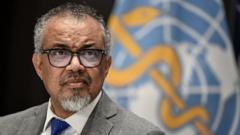
In a striking testimony, the Director General of the World Health Organization (WHO) Tedros Adhanom Ghebreyesus detailed his narrow escape from an Israeli airstrike at a Yemeni airport, which left several dead and triggered chaos among civilians and UN personnel.
In a recent interview with BBC Radio 4, Dr. Ghebreyesus described feeling "completely exposed" when the airstrike hit while he and a group of United Nations colleagues were at the airport in Sanaa, Yemen. The attack occurred as they were departing after a mission that aimed to negotiate the release of UN detainees and evaluate the humanitarian crisis affecting the country.The airstrike resulted in at least six fatalities, with the Israel Defense Forces (IDF) claiming it targeted military installations linked to the Iran-backed Houthi rebels. Dr. Ghebreyesus remarked on the chaos following the strike, noting that "people were in disarray and running everywhere," emphasizing the lack of shelter during the attack. He reflected on the randomness of survival, stating, "It's a matter of luck, otherwise if the missile deviated just slightly it could have been on our heads."Despite his prominent role in global health since 2017, Dr. Tedros insisted that the incident highlights the threat faced by all civilians in conflict, stating that "any civilian life is life," and reiterating that his safety is not more important than others'.The WHO chief's presence at the airport was known prior to the strike, emphasizing the risks faced by international organizations working in conflict zones. He condemned the airstrike, noting the civilian nature of the airport and calling for greater protections for non-combatants.The situation in Yemen remains dire as the Houthi rebels, who have controlled significant territory since overthrowing a recognized government in 2015, continue to engage in military hostilities. The Houthis described the Israeli airstrikes as "barbaric" and vowed to escalate their attacks on Israel, especially as the conflict in Gaza continues without resolution.In retaliation, Israel has been executing targeted airstrikes against locations it claims are used by the Houthis to launch missiles into Israeli territory. Just days after the attack on the Yemeni airport, the Houthis claimed responsibility for an attempted missile strike on Nevatim airbase in Israel, which was intercepted by Israeli defense systems.Both the humanitarian situation and the ongoing military confrontations signal a worsening crisis, raising concerns for international health agencies and civilian populations in Yemen and beyond. The stark reminder of the dangers faced by humanitarian workers was a pivotal moment for WHO as they continue facilitating critical health services amid escalating conflicts.
