In brief
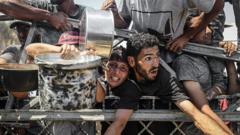
Gazan freelance journalists, relied upon by international news agencies, are facing starvation challenges as they continue their work in the middle of an ongoing conflict. Families of these reporters struggle to acquire basic necessities while they report on escalating hardships.
Three dedicated freelance journalists working for the BBC in Gaza are experiencing unimaginable struggles to feed their families as conditions worsen in the conflict-ridden region. These individuals, vital in communicating the harrowing realities on the ground, report going up to two days without food while documenting the unfolding tragedy, even as they suffer personal losses. One journalist, whose past injuries include shrapnel wounds from Israeli attacks, expressed deep anguish over the ongoing crisis, stating that this is the hardest experience of his life. While global food security organizations have yet to label the situation in Gaza a famine, United Nations agencies warn of man-made starvation due to the blockades imposed on essential supplies. Israel has been held accountable for these conditions but continues to deny responsibility. Out of respect for their safety, we have chosen not to disclose the names of these courageous journalists. They have shared the profound pain of being unable to provide for their young children during these desperate times. One cameraman described his son's hunger-driven distress, while another expressed his concern for his 13-year-old sister who constantly asks for food and clean water. The BBC, alongside other news agencies, has issued a plea to Israeli authorities to safeguard the well-being of local freelance journalists, asserting that they are suffering under the same dire conditions they report on. The organizations clarified that these journalists have been crucial in relaying the struggles faced by ordinary Gazans.Chronic hunger and exhaustion plague journalists working in the area. One correspondent shared how his declining health prevents him from finishing news reports at the usual pace, remarking on the constant feelings of dizziness and fatigue that accompany him. Another journalist described collapsing while filming, only to carry on with his responsibilities soon after.Despite food scarcity resulting from ongoing military actions, local markets that once provided relief have now largely emptied. A Gaza City journalist recounted sometimes resorting to assisted kitchens for limited meals, leading to children surviving on just one meal a day. Those who can find food are often confronted with exorbitant prices, where a modest biscuit may cost them a significant portion of their meager earnings. Accessing cash has become a challenging process marked by crippling fees due to closed banks and unseen funds available only through merchants. One journalist detailed a stressful experience withdrawing cash, where a significant withdrawal would yield a loss of nearly half the intended amount.The BBC and other news organizations have urgently called for measures that allow the free movement of journalists in and out of Gaza, which has become heavily restricted since the onset of conflict. This week, a coalition of countries clamored for an immediate ceasefire, urging compliance with international humanitarian laws and demanding a halt to the incremental delivery of aid. Aid organizations and humanitarian groups noted that their personnel also succumb to hunger as vital supplies run critically low. This alarming situation highlights the escalating challenges faced by not only journalists but also the wider population in Gaza. As these determined reporters juggle their commitment to report on the crisis and their responsibility to their families, they voice an urgent need for resources amidst what they describe as a dire state of starvation enveloping every household. One reporter captured the hopelessness succinctly, declaring the situation as a suspended death sentence for many.