Israel Threatens Forceful Response After Kites Found Near Gaza Border
Israel has warned Hamas that it will intensify strikes on Gaza after incidents in which kites, balloons and small drones flew from the territory and landed over Israeli communities. Several kites were discovered in the kibbutz of Nahal Oz, only 800 metres from the Gaza border, and similar objects were spotted in other parts of southern Israel.
Defence Minister Israel Katz said on Friday that "forceful actions will be taken" to end the phenomenon, adding that a balloon is treated like a kite and a kite like a drone, whether or not it carries explosives. He warned that there would be "zero tolerance" for such incursions.
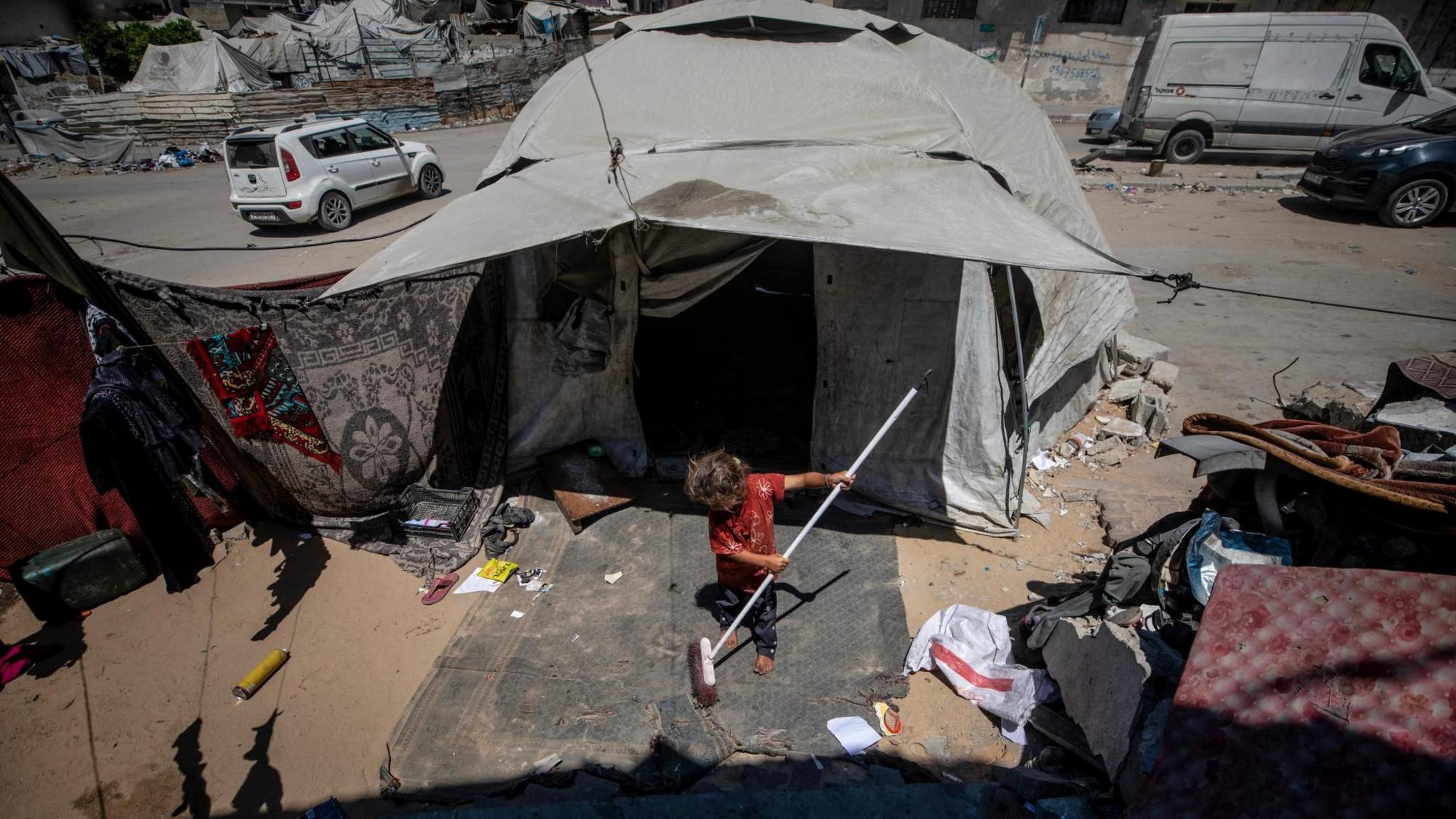
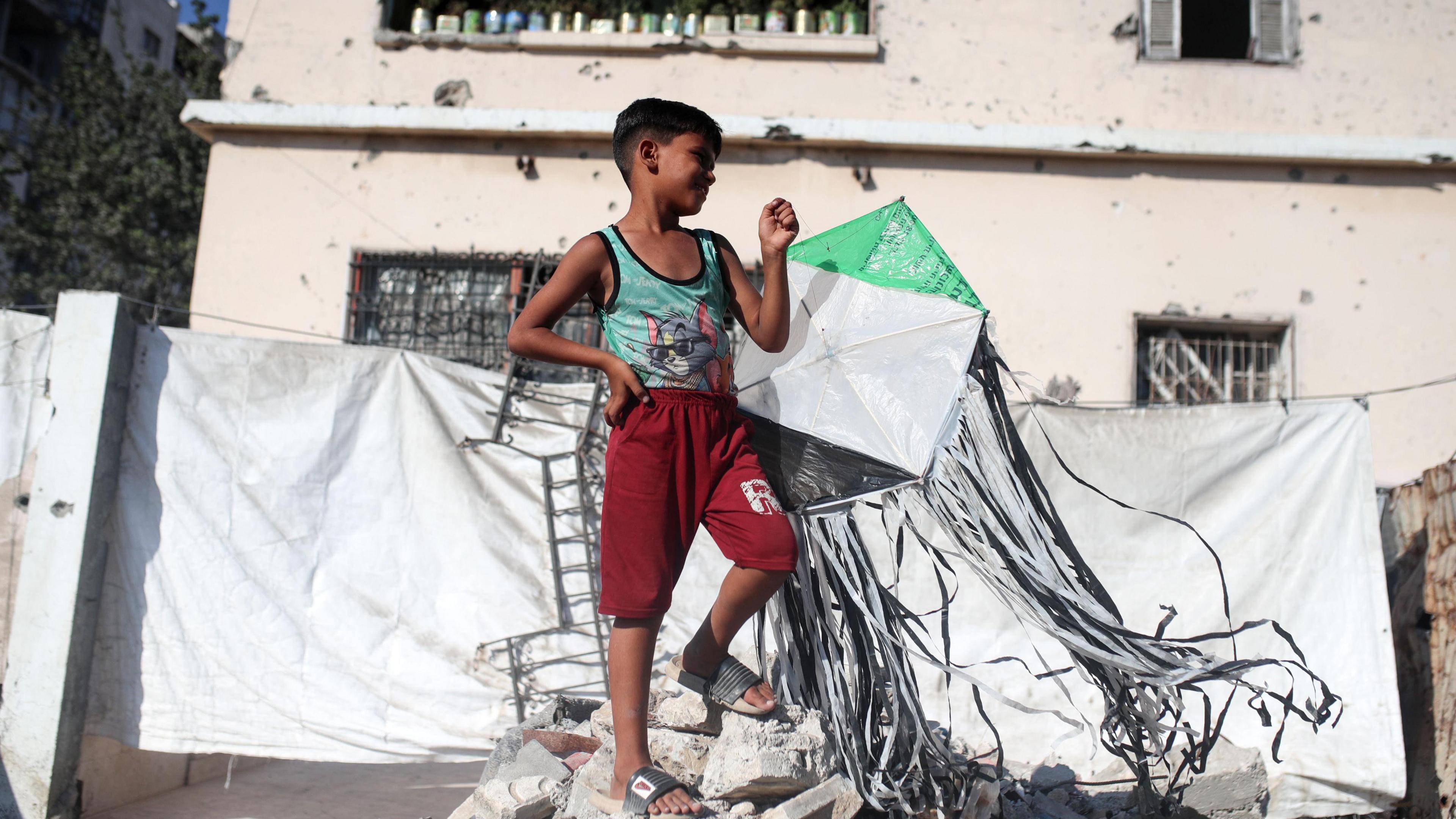
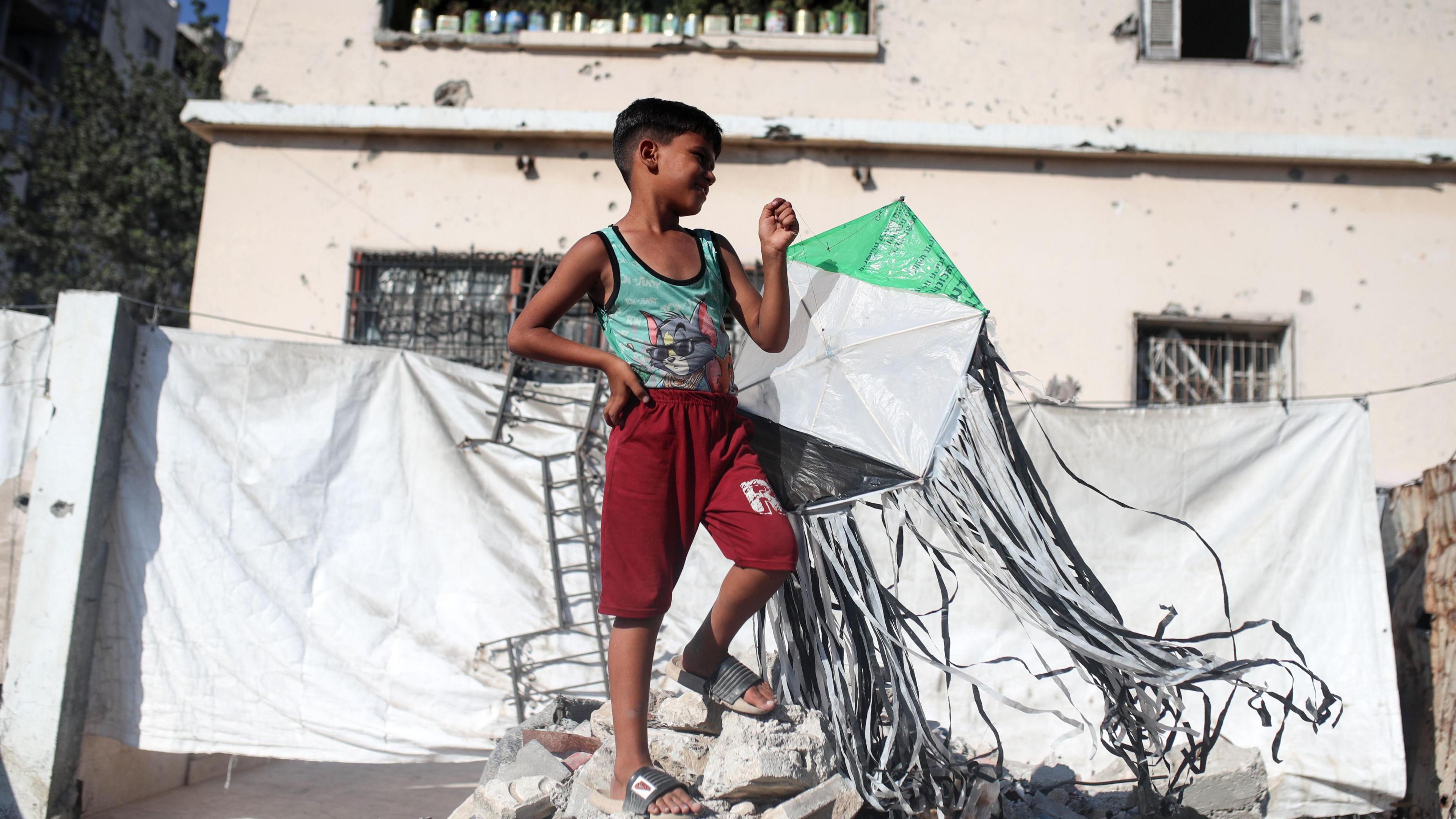
Hamas denied responsibility for the kites, calling them "children searching for their innocent childhood amid the rubble" and accused Israel of using the incidents as a pretext for continued air strikes after the ceasefire agreed last October.
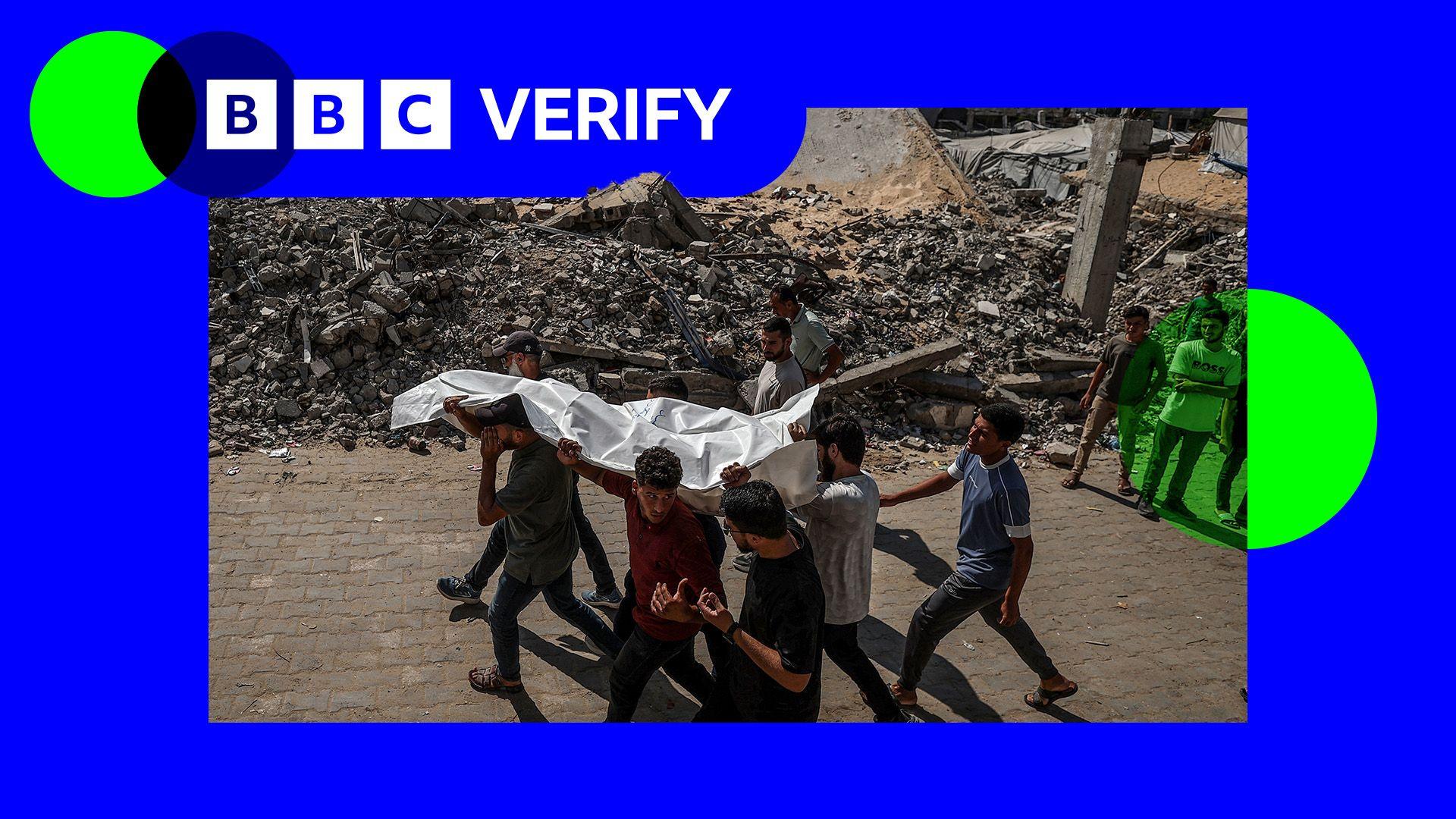
Last week, Israeli forces killed the commander of a Hamas weapons‑manufacturing site in the Maghazi area and warned residents to evacuate in advance. Israeli strikes that evening also killed two people and injured seven others in the Nuseirat refugee camp and the town of al‑Zawayda, central Gaza.
Palestinian accounts report that the four‑year‑old Mohammed Taha was killed by a bombing in al‑Zawayda. A further strike the following night killed Mohammed Abu Asad, a member of Hamas's elite Nukhba forces.
Israel’s campaign in Gaza, launched in response to the cross‑border assault on 7 October, has led to the deaths of more than 74,420 people, with 1,288 casualties occurring since the ceasefire took effect, according to the Hamas‑run health ministry.
The kite incidents, while seemingly harmless, have become a flashpoint that heightens suspicions on both sides, illustrating how symbolic acts can be leveraged to justify further escalation in a conflict already marked by prolonged violence and civilian suffering.