In brief
Israel’s Civil Administration has begun expropriating 450 acres of Palestinian farmland around the ancient Sebastia site, citing the creation of a national park. Local farmers say the land is communal heritage and refuse compensation, while UNESCO has added Sebastia to the World Heritage in Danger list to protect its multicultural remains. Israeli activists argue archaeology is used as a pretext for land seizures and a proposed law could transfer control of all West Bank heritage sites to the Ministry of Culture. Similar moves are underway at Herodium, where 80 acres have been claimed for ‘preservation and development’, raising concerns of settlement expansion. The controversy highlights the contested use of history to legitimate occupation and the ongoing conflict over land control.
Israel Accused of Weaponising Sebastia Archaeology to Seize Palestinian Land
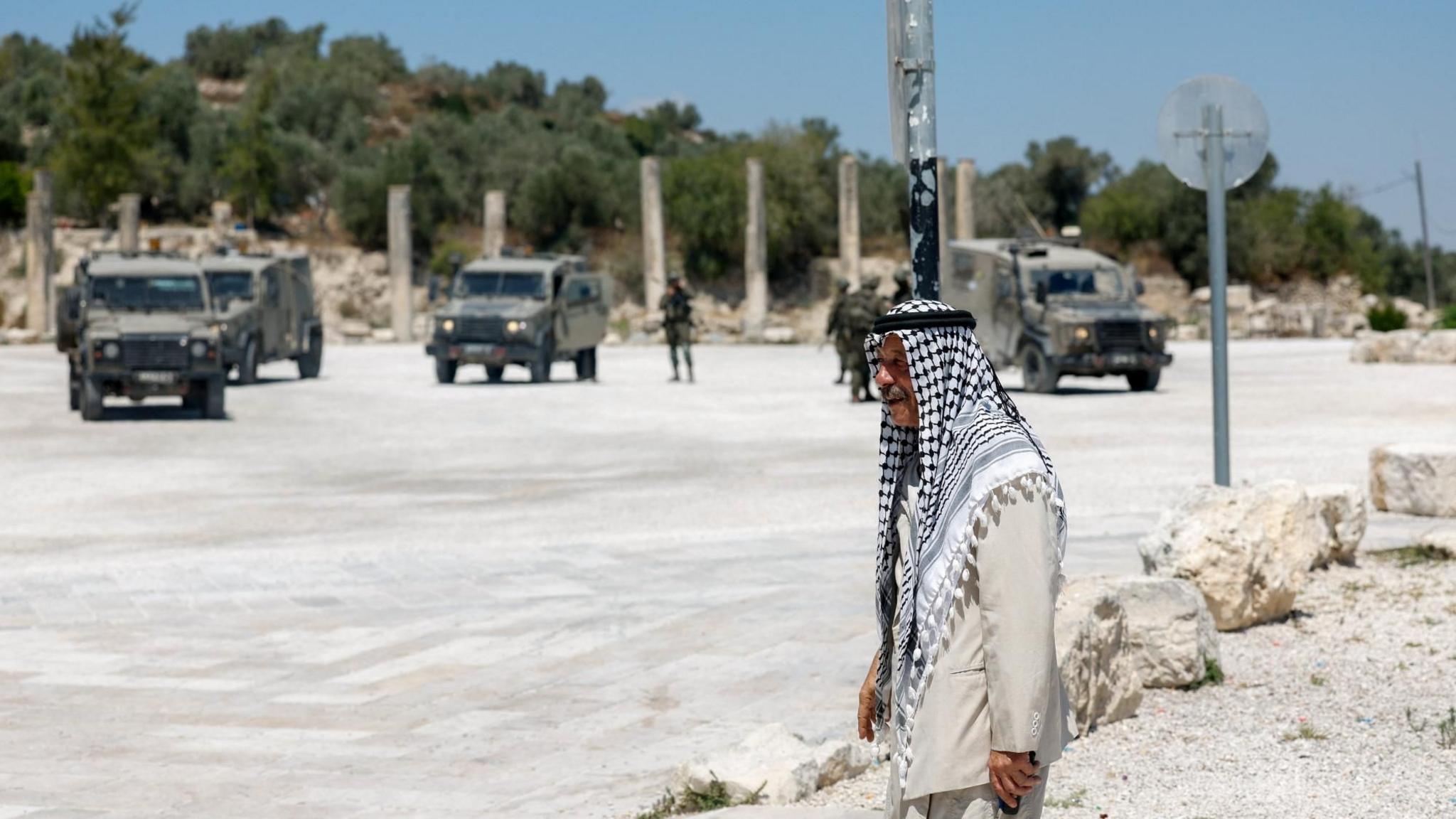
In the hills above Sebastia, a site with layers of Roman, Crusader, Ottoman and ancient Jewish history, 450 acres of olive‑field farmland have been seized by Israeli authorities. The land, owned by Palestinian families for generations, is slated for inclusion in an announced “national park” that would make the site a protected heritage area.
The local farmer Abu Mudif told reporters he was notified that his fields were part of the expropriation. He said: “If I had to describe it, the closest I can give is that it feels like having your soul ripped away. I cannot imagine myself without my land.” His comments echo a wider Palestinian sentiment that accepting payments could be seen as legitimising loss of ancestral property.
Palestinian restaurant owner Nahed Sakha warned that the Israeli plan cuts community access to the archaeological remains that survive from thousands of years of history. Sakha told the press that restoration work has begun and that license letters were handed out telling landowners that their land could no longer be farmed or accessed.
Israeli activist Alon Arad, who leads the Emek Shaveh group, said that in the rubble of the Roman amphitheatre the Israeli government has “bypassed local consultation and residents.” He added: “Israel isn’t the owner of this site. It’s a Palestinian heritage site that should be managed with the local community.” Arad claims this is a deliberate “weaponisation” of archaeology to justify land seizures.
The United Nations’ UNESCO agency has declared Sebastia a World Heritage site, and the very next day added it to the World Heritage in Danger list. UNESCO’s report cites the risk of expropriation under the proposed “Samaria” national park, which would divide the site and limit access for the surrounding village. The villages’ mayor, Mohammed Azem, expressed worries that cleaning the ruins might expose their actions to Israeli security patrols.
In parallel to Sebastia, the Herodium hill – the site of Herod’s palace near Bethlehem – is being carved out of 80 acres for “preservation and development.” Israeli NGO Peace Now has warned that this is a de facto settlement expansion, violating both international law and the Israeli Supreme Court, which forbids land expropriation for settler benefit.
A draft bill that would have transferred control of all West Bank archaeological sites from the military Civil Administration to the Israeli heritage ministry passed its first reading in May but was stalled over upcoming elections. The bill would have given the ministry sweeping powers to seize land for “archaeological preservation.” Critics say the bill aimed to expand Israeli control under the guise of heritage protection.
Shmuel Brown, a local Herodium guide, said Israel feels a duty to protect its archaeology, but he explained that the law would make that duty a tool for widening Israeli presence across the occupied territory.
The Sebastia crisis illustrates how history and heritage are being used as a pretext for land grabs, sparking accusations that Israel is time‑and‑again leveraging archaeology to advance settlement and control. As protests by residents and calls from UNESCO intensify, the international community watches closely as the Eastern Mediterranean’s oldest battle‑fields become arenas for modern disputes over ownership and identity.