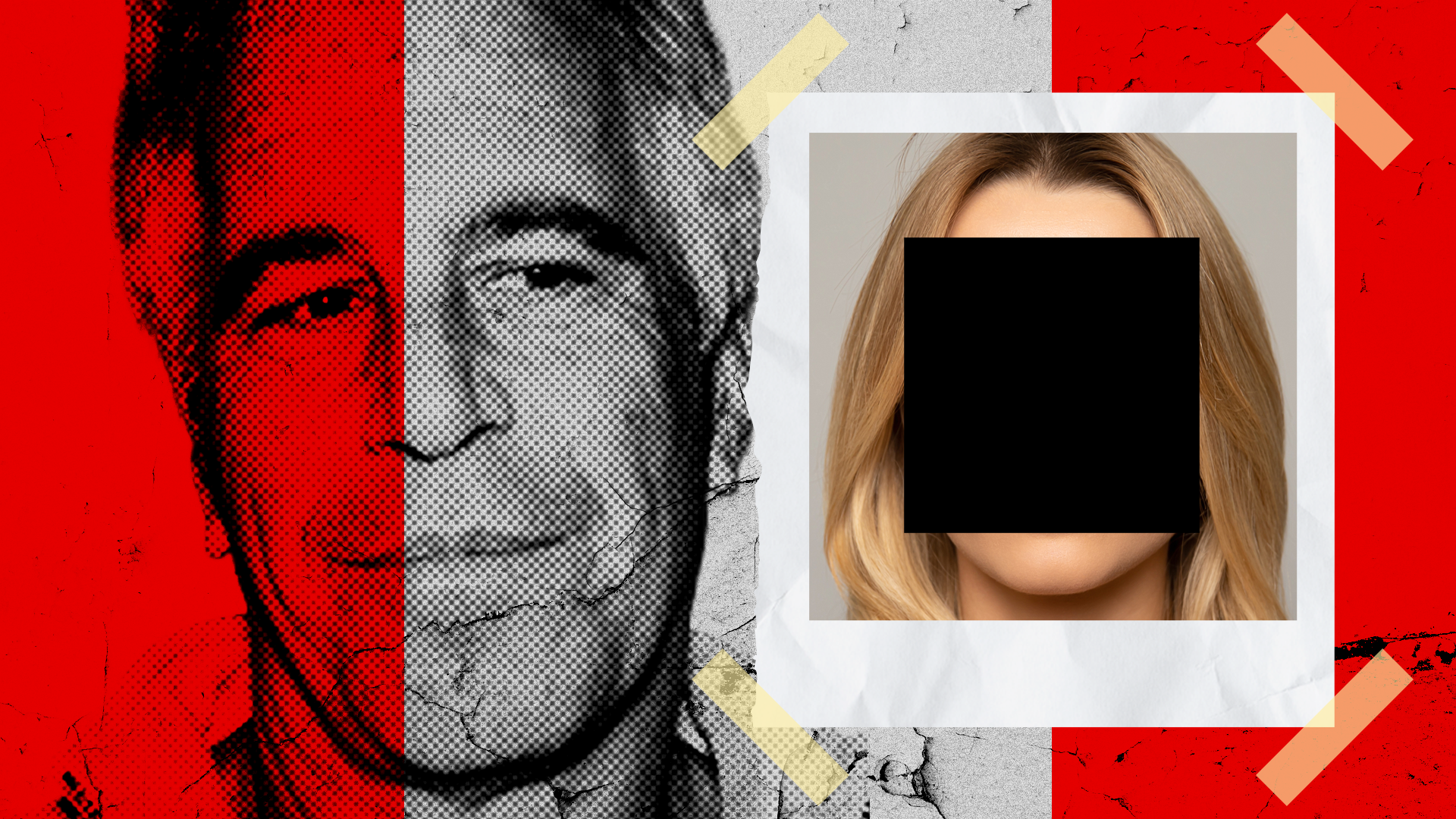
When Jeffrey Epstein died in August 2024, a new wave of testimonies emerged from women who lived and worked in the shadow of his operation. Among them is Anya (pseudonym for privacy), an assistant who spent several years in Manhattan apartments on East 66th Street that were used by Epstein to house constituents of his alleged sex‑trafficking network.
Anya described Epstein’s proposition as a “cult-like” experience – a system where he positioned himself as the charismatic leader who would open doors to wealth and influence. The protocol, she explains, began with alluring offers of modeling gigs, a promise of career advice, and inextricable links to high‑profile clients. The lure quickly turned into coercive control that eclipsed any semblance of autonomy.
The bureaucracy of control spanned finances, mobility, medical care and personal grooming. Epstein would manage She’s finances, dictate who she could see and – for Anya – order her to undergo invasive, disfiguring surgery to remove a tattoo he deemed undesirable. The assistant was required to produce gratitude letters that further bound her to the financier, lest she risk alienating him.
Surveillance seeped into personal communications; private investigators monitored escape attempts, and a hidden trove of compromising photographs and videos was used as leverage. When two assistants fled, Epstein employed hired detectives to trace them, threatening unpaid debts that summed to more than half a million dollars and intensified the fear of retribution.
The operation’s culture also conditioned assistants to bring in new recruits – often younger women who, if they refused to comply, found themselves ostracized and co‑opted. This “ecosystem of abuse” kept the entire network dependent on the financier’s approval and protection.
Another assistant, Sarah Kellen, testified to the U.S. House Oversight Committee early this year, echoing Anya’s claims that Epstein “decimated” the sense of autonomy in his followers. Kellen’s testimony emphasized the psychological isolation and the heavy toll that compulsion and manipulation took on victims.
Following their allegations, both women later received compensation through the Epstein Victims’ Compensation Fund, signalling the role of public accountability in the wake of such abuse. Their stories now offer survivors a powerful narrative to counter the stigma and justify the need for protection mechanisms for adult victims.
For OnPoint, this case underscores how the sprawling reach of a high‑profile network can form an ecosystem of abuse that extends beyond child trafficking. The investigation remains ongoing, in pursuit of holding accountable all tiers of the operation that fed on control and exploitation.