Indonesia volcano eruption leaves 270,000 stranded as airports extend closure
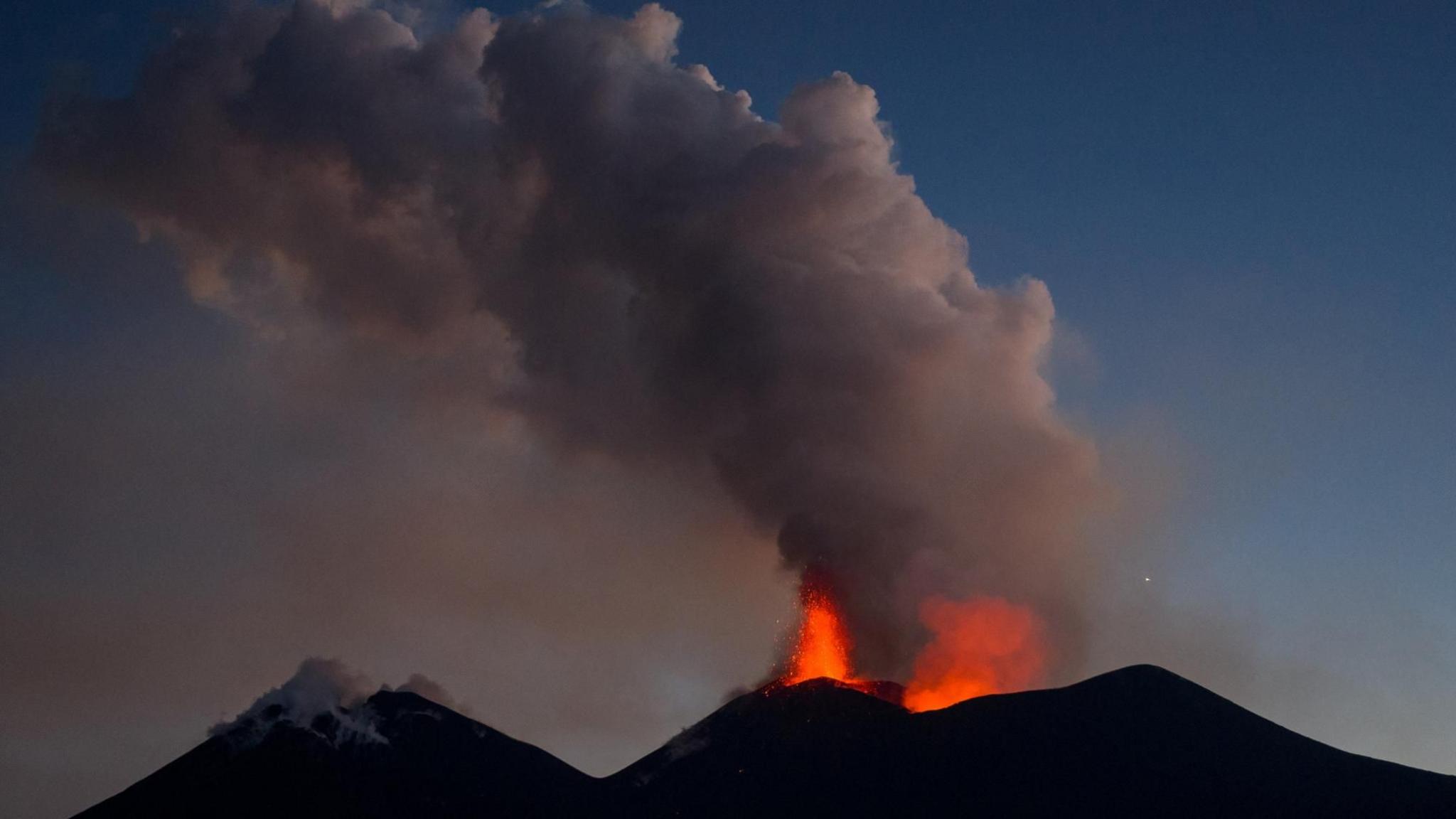
Late Friday night, the Anak Krakatau volcano erupted, ejecting lava fountains and a massive ash plume that drifted over the Java and Sumatra islands.
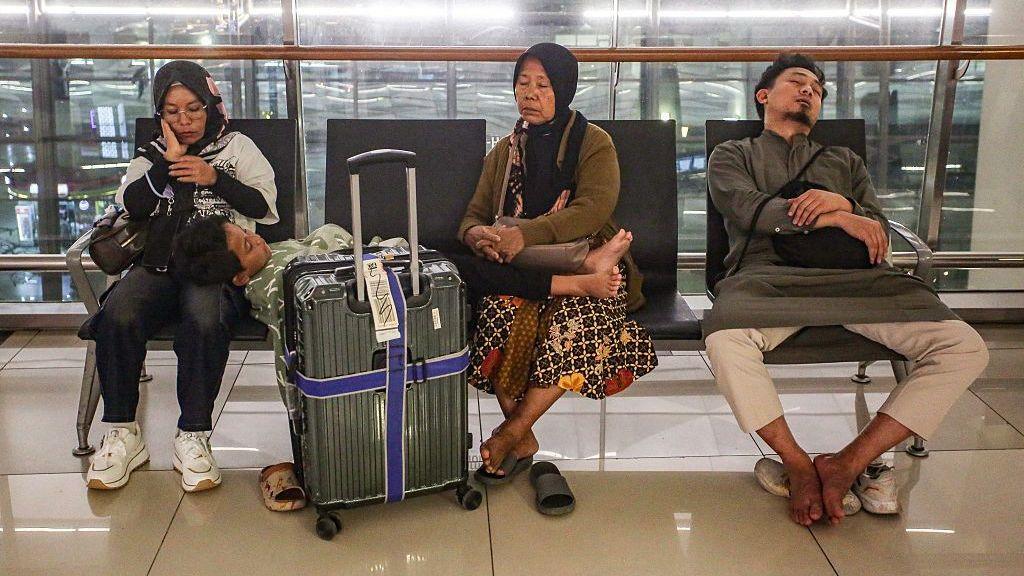
The eruption caused more than 2,000 flights to be grounded, stranding roughly 270,000 passengers across Indonesia.
Jakarta’s Soekarno‑Hatta International Airport, together with three other major airports, announced an extended closure that will remain in place until 18:00 local time on Monday due to the ash cloud detected over the flight corridors.
Schools in affected districts pivoted to online classes and shipping operations faced interruptions, as wind‑driven ash threatened maritime navigation.
Passengers at Soekarno‑Hatta were packed into long queues, chasing refunds and flight updates. One traveller, Finna, highlighted the uncertainty that pushed her to spend a night on train services before finally arriving in Jakarta early Monday morning.
Environmental and wildlife groups, like Save the Rhino International, had to cancel fieldwork at Ujung Kulon National Park because of the heightened alert level triggered by the volcano.
The Geological Agency warned that further eruptions are likely in the coming days, with ash reaching 6,000‑m over Java and 15,000‑m over Sumatra, but issued no tsunami warning.
Transport Minister Dudy Purwagandhi explained ongoing ash‑spread monitoring, testing every 30 minutes to determine if the cloud is expanding or subsiding. He emphasized that the closure timelines remain uncertain due to changing weather patterns.
Anak Krakatau, meaning “Child of Krakatoa,” erupted sporadically since emerging from the sea after the 1883 Mount Krakatoa eruption and collapsed again in 2018, causing a tsunami that killed over 400 people.
The incident underscores the challenges posed by active volcanoes in the Pacific Ring of Fire, where 90% of global earthquakes and 75% of active volcanoes lie along the 40,000‑km belt meandering around the Pacific Ocean.