
In brief
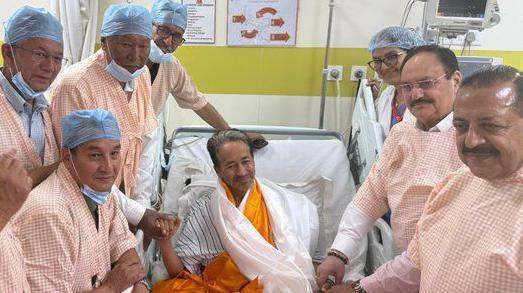
Sonam Wangchuk, a prominent activist in India, concluded a 26‑day hunger strike aimed at supporting youth‑led protests demanding comprehensive education reform. He announced the end of the strike after extended negotiations over key conditions, including assurances that force would not be used against demonstrators. Wangchuk, 59, lost 11kg during the fast and was recently hospitalized following a forced removal from a protest venue. The strike was linked to the Cockroach Janta Party, whose members call for the resignation of the Indian education minister. His decision highlights the tensions between activist movements and state authorities in India’s dynamic political landscape.
India's activist Sonam Wangchuk has ended a hunger strike that spanned 26 days, a move he announced via his social media account.
Wangchuk, who had been fasting for eight weeks in support of the youth‑led protests demanding sweeping education reforms, called the strike over after extensive negotiations with government representatives. In a post on X, he said the end came after discussions on several key conditions, including a pledge from authorities not to use force against protesters, and a desire to prevent possible unrest throughout the country.
During the strike, the 59‑year‑old activist reportedly lost 11 kilograms (24 pounds) but remained conscious. He was recently removed from a protest venue in Delhi under force and taken to a hospital for medical care.
The movement is closely associated with the Cockroach Janta Party (CJP), which also demands the resignation of India’s education minister. The party’s supporters categorize their cause as a broader push for modernizing the country’s education system.
His decision comes amid increasing scrutiny on how the Indian state handles civic dissent, particularly among the younger generation demanding systemic change.
