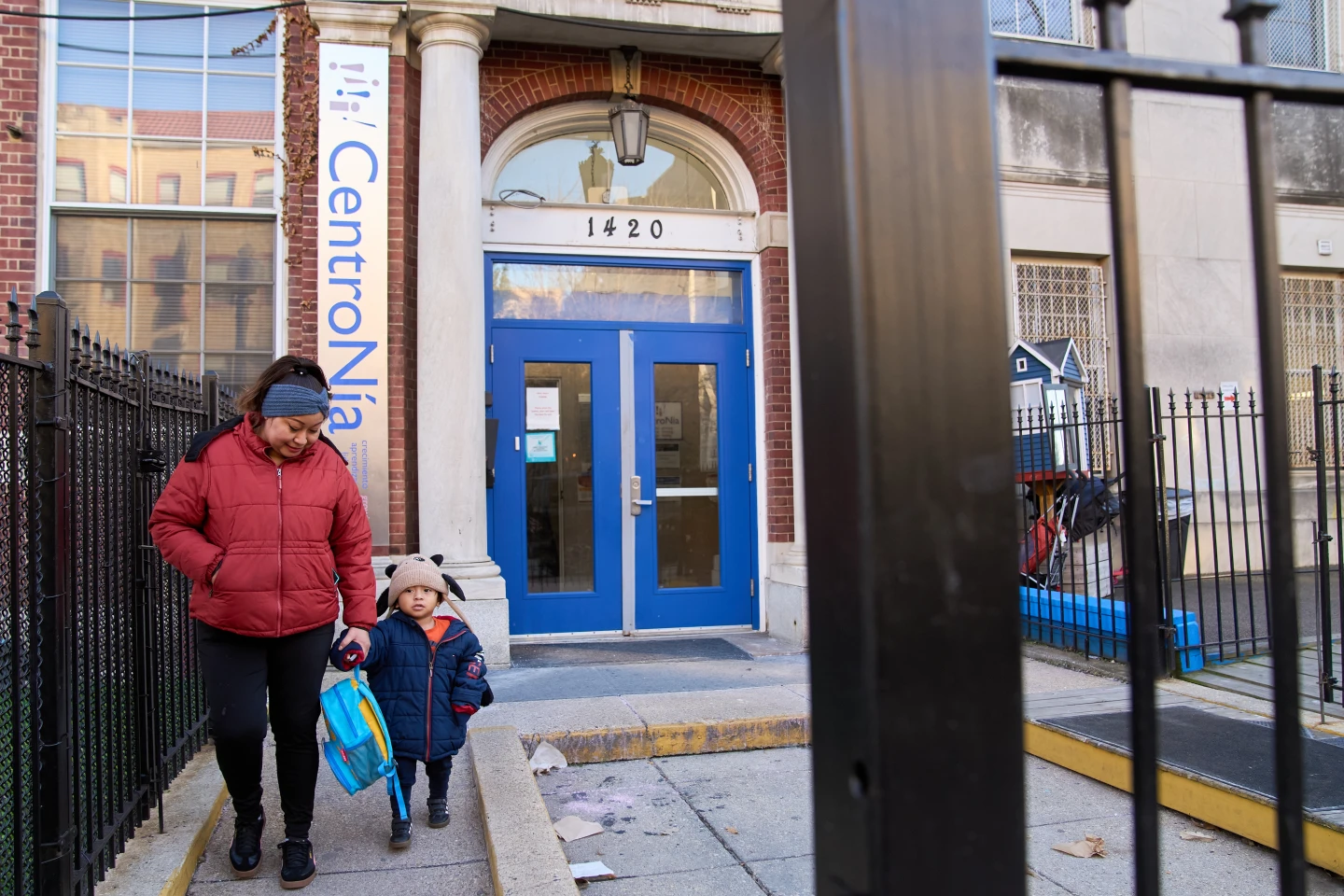
Maria worked cleaning schools in Florida for $13 an hour. Every two weeks, she’d get a $900 paycheck from her employer, a contractor. Not much — but enough to cover rent in the house that she and her 11-year-old son share with five families, plus electricity, a cellphone and groceries.
In August, it all ended.
When she showed up at the job one morning, her boss told her that she couldn’t work there anymore. The Trump administration had terminated President Joe Biden’s humanitarian parole program, which provided legal work permits for Cubans, Haitians, Venezuelans as well as Nicaraguans like Maria.
“I feel desperate,’’ said Maria, 48, who requested anonymity to talk about her ordeal because she fears being detained and deported. “I don’t have any money to buy anything. I have $5 in my account. I’m left with nothing.’’
President Donald Trump’s sweeping crackdown on immigration is throwing foreigners like Maria out of work and shaking the American economy and job market. And it’s happening at a time when hiring is already deteriorating amid uncertainty over Trump’s erratic trade policies.
Immigrants do jobs — cleaning houses, picking tomatoes, painting fences — that most native-born Americans won’t, and for less money. But they also bring the technical skills and entrepreneurial energy that have helped make the United States the world’s economic superpower.
Trump is attacking immigration at both ends of the spectrum, deporting low-wage laborers and discouraging skilled foreigners from bringing their talents to the United States.
More workers filling more jobs and spending more money has also helped drive economic growth and create still-more job openings. Economists fear that Trump’s deportations and limits on even legal immigration will do the reverse.
In a July report, researchers from the Brookings Institution calculated that the loss of foreign workers will mean that monthly U.S. job growth could be near zero or negative in the next few years.
Worker shortages are even impacting critical industries, including healthcare and agriculture. Immigration crackdowns are leaving many employers scrambling for labor, resulting in layoffs and rising costs.
Goodwin Living, a nonprofit providing care services, had to lay off four Haitian workers after the ending of their work permits, while farmers report deepening labor problems. Trump's recent immigration policies threaten to disrupt both the job market and critical supply chains for essential goods.
“We need these people,” emphasizes an industry CEO, highlighting the challenges of finding local labor willing to perform these essential jobs.