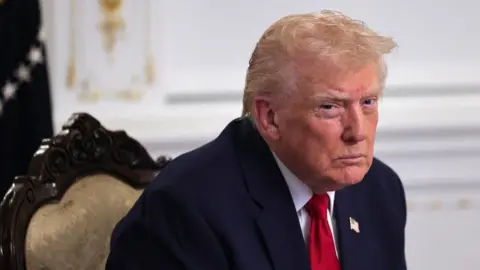
CHICAGO — Officials in Illinois are bracing for a potential deployment of National Guard troops in response to President Trump's plan to send military resources to the Chicago area. This comes amid a simmering legal challenge where state officials argue that the deployment is unnecessary and politically motivated.
Governor JB Pritzker has criticized the measure, suggesting that Trump's intentions are to normalize the presence of armed troops under his direct command, accusing him of using the National Guard as political tools to justify his agenda.
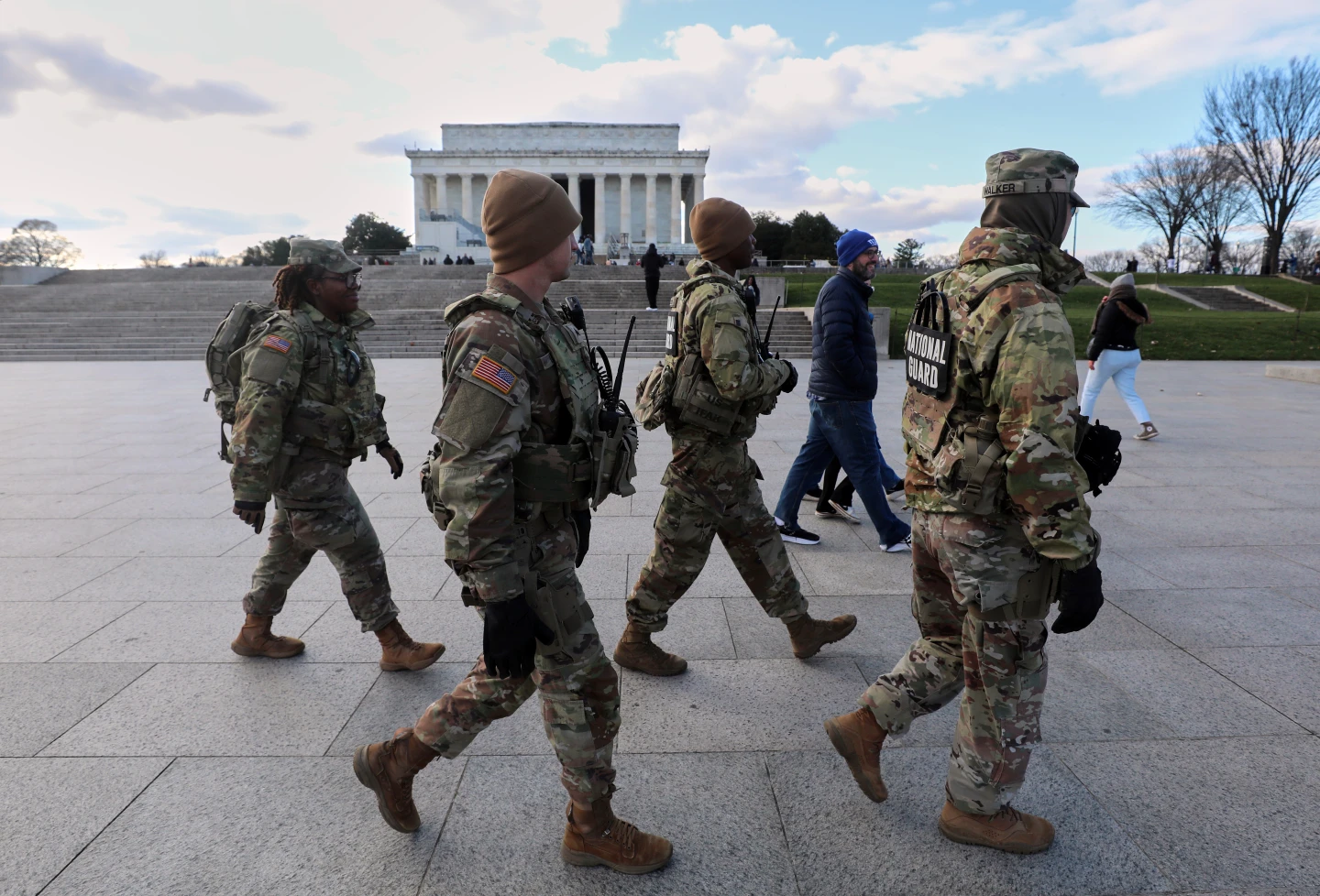
Reports indicate that approximately 300 National Guard troops from Illinois and 400 from Texas could be called to Detroit and Chicago respectively. The deployment has been met with fierce opposition, leading to a lawsuit filed by Illinois and Chicago officials. A federal judge is set to hear the case in the coming days.
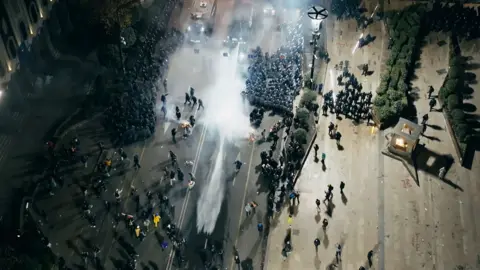
Concerns echo beyond Chicago, with state officials in Oregon also expressing alarm regarding Trump's approach to deploying troops amidst local protests against immigration enforcement. A judge recently blocked such deployments in Portland, further complicating matters for the administration.
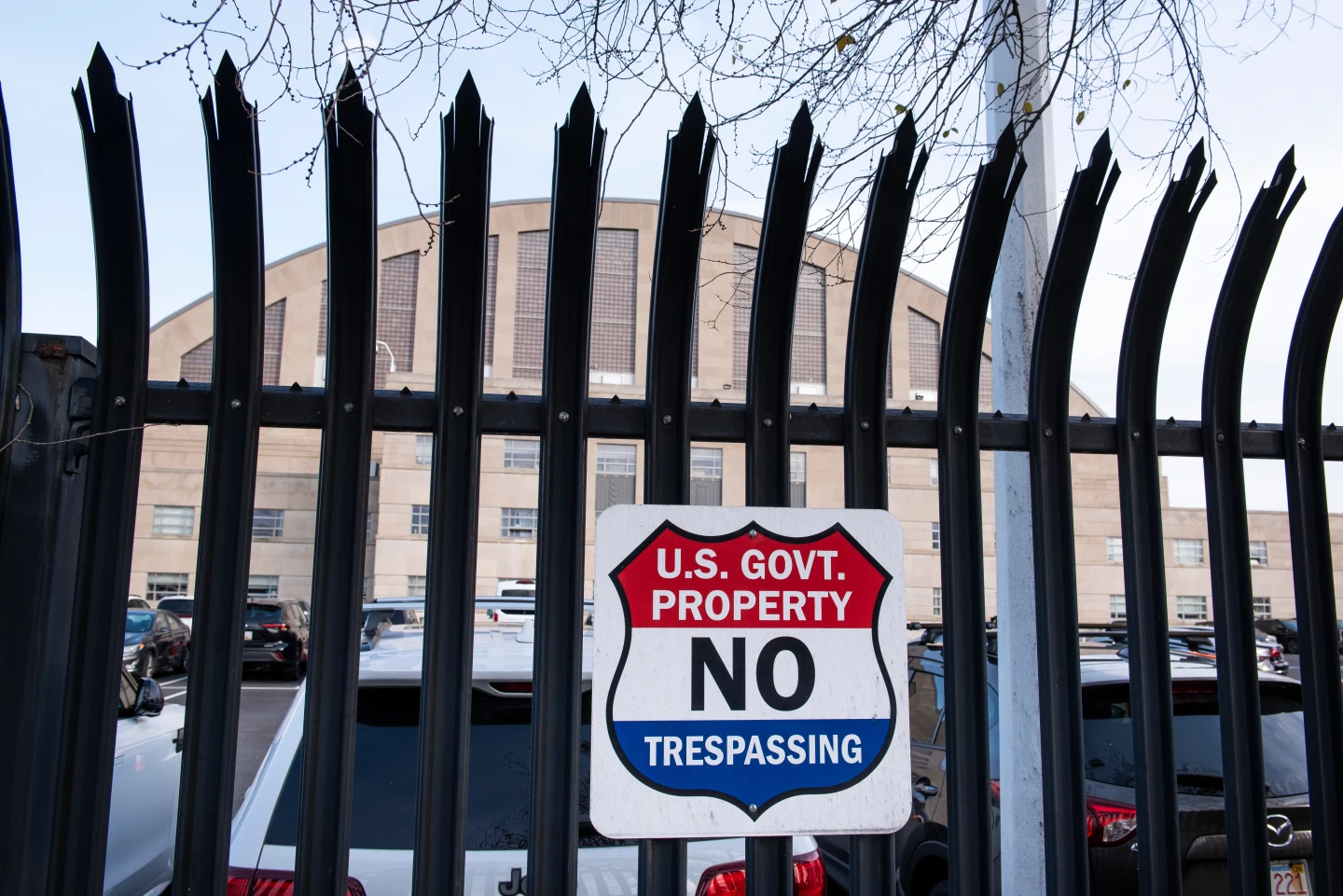
Illinois citizens, particularly in immigrant-heavy neighborhoods, are anxious as Border Patrol operations increase near significant landmarks. This situation stems from recent immigration crackdowns that critics argue have disproportionately targeted communities of color.
Chicago Mayor Brandon Johnson has recently signed an executive order prohibiting federal immigration agents from utilizing city-owned properties for enforcement operations. Meanwhile, the ACLU of Illinois is suing the government over accusations of violence against peaceful protests related to immigration enforcement.
The Trump administration, however, continues to depict cities like Chicago as lawless and in chaos, arguing military intervention is necessary. Yet, crime reports from various cities, including Portland, indicate a reduction in violent crime, complicating the administration's narrative.
As this situation unfolds, many eyes are on the legal proceedings while public sentiment continues to grow wary of military intervention in civilian spaces.