Iceland’s Lid‑to‑Lid Referendum
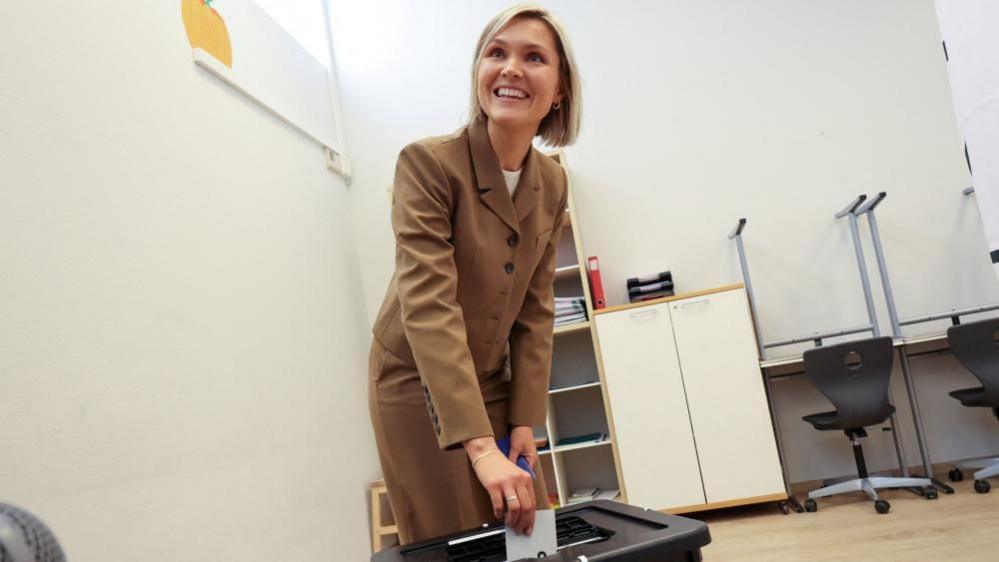
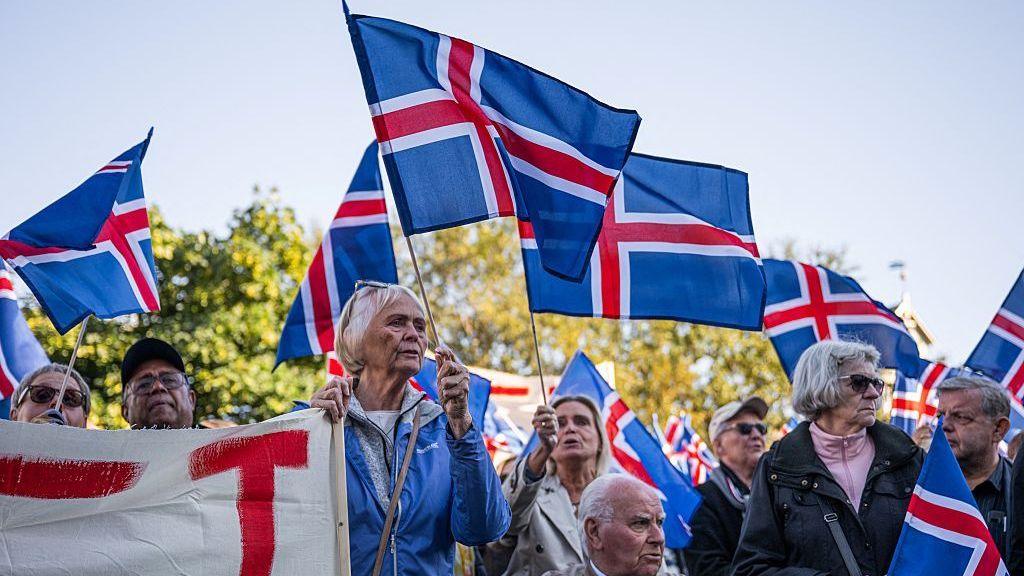
Iceland’s 380,000‑strong electorate turns out to decide the nation’s future in the European Union. The close reading of recent polls – still just 51.6% for the No side – indicates that the outcome could hinge on a single vote.
The Question on the Ballot
The referendum asks, "Should Iceland resume accession negotiations with the European Union?" A Yes vote would mean opening a new chapter of partnership, but would still require a second referendum, parliamentary approval, a constitutional amendment and the approval of the EU’s 27 members. The No vote, on the other hand, would leave the option for future talks untouched.
Fisheries and Sovereignty
Iceland’s economy is built on its rich fishing grounds – about 40% of exports come from maritime trade – and sovereignty over those waters is a core rallying point for the No side. The EU’s Common Fisheries Policy would impose limits that Iceland has historically resisted, recalling the Cod Wars of the 1970s. While the EU hinted at a possible exemption, the prospect still looms as a major obstacle to membership.
Economic Incentives and Challenges
Iceland is now one of the world’s richest nations on a per‑capita basis, yet interest rates remain stubbornly high at 8% and inflation at 5.6%. Pro‑EU campaigners argue that integration could ease these pressures by granting access to the EU’s fiscal tools and a future cornerstone switch to the euro. Critics fear increased regulatory costs and loss of control over key sectors.
Security Concerns
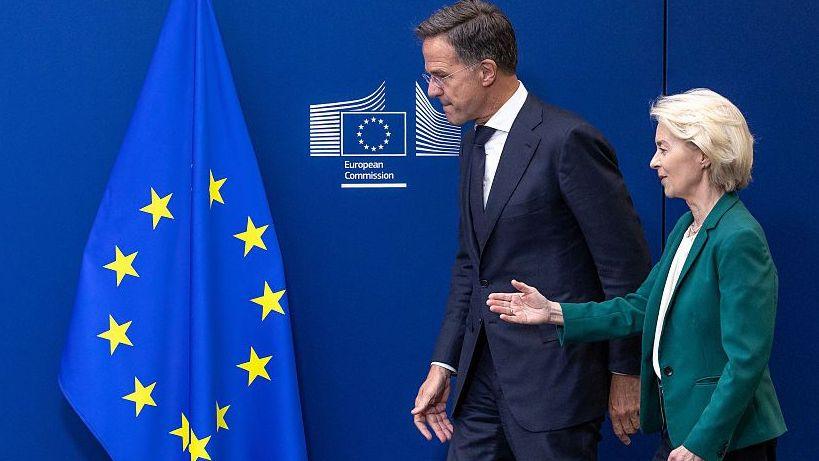
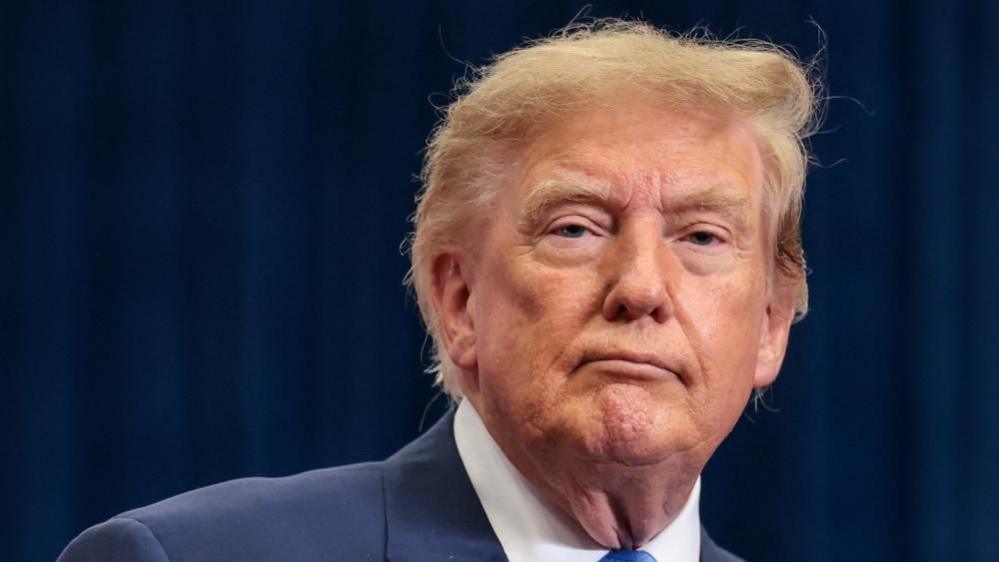
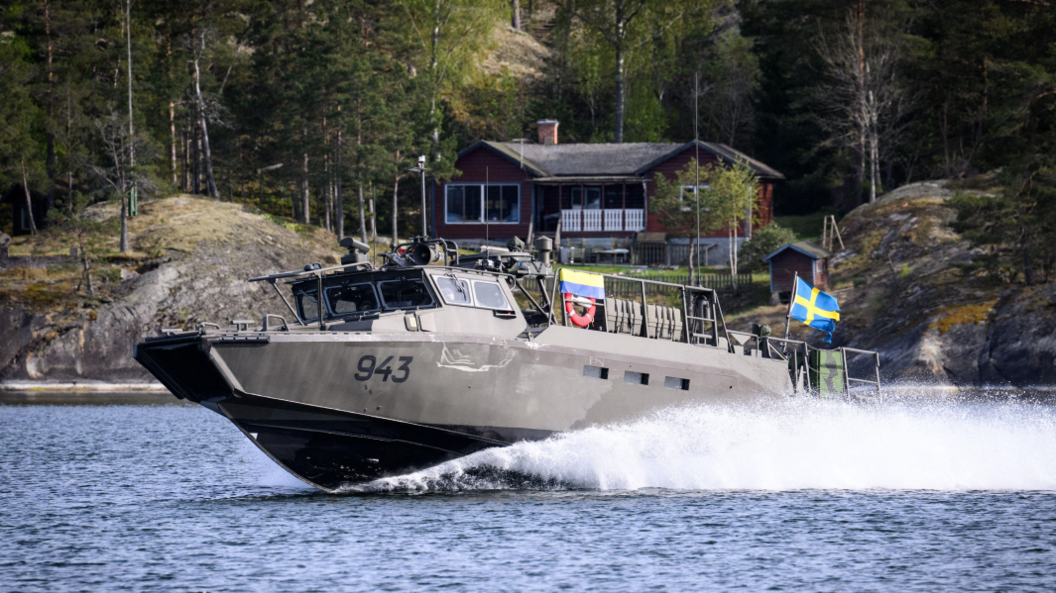
Iceland has no standing army and relies on NATO and a long‑standing US defence agreement for security. The No side warns that EU membership does not replace these guarantees. Recent tensions – from Russia’s naval activity near Iceland to President Trump’s interest in Greenland – have heightened uncertainty, prompting the EU to sign a new security partnership with Iceland this year.
Campaign Dynamics
The televised debate saw Prime Minister Kristrún Frostadóttir lead the Yes campaign, stressing that Iceland is already integrated via the European Economic Area and that full membership would be a risk‑reducing step. Opposition chair Guðrún Hafsteinsdóttir represented the No camp, framing the vote as a decision over delegating decision‑making over fisheries, agriculture, and natural resources to Brussels.
What This Means for Iceland
The referendum, held from 09:00 to 22:00 GMT on Saturday, could dramatically shape Iceland’s trade, security and sovereignty landscape. With early voting already underway and the polls indicating a razor‑thin margin, the result announced in the early hours of Sunday will be watched by economists, fishermen, and political analysts alike for what it signals about the future of the country’s global ties.