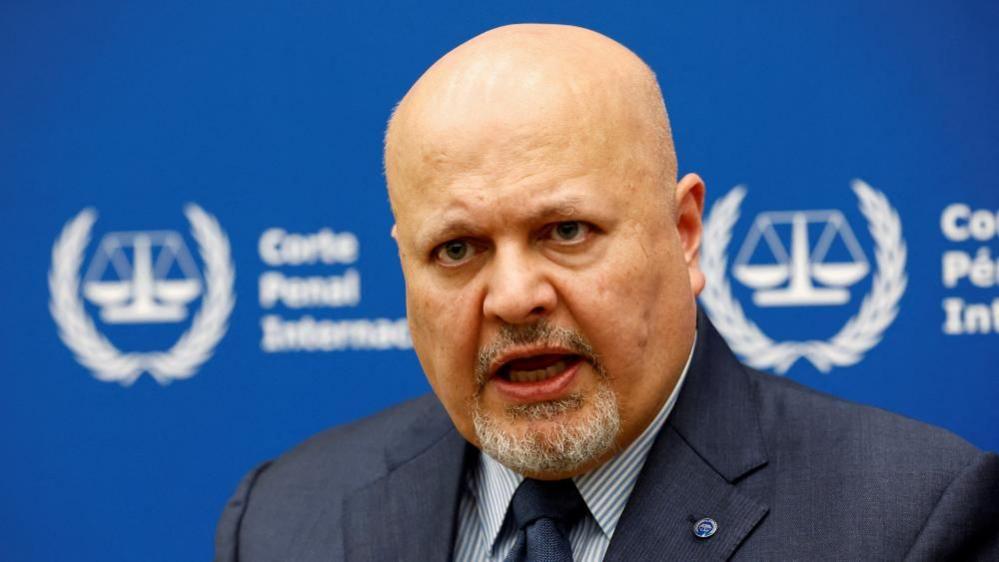
International Criminal Court (ICC) members voted to replace chief prosecutor Karim Khan after investigators found evidence of serious misconduct, including a sexual relationship with a junior staff member.
Khan was elected in 2021 as the court’s third prosecutor but was suspended last month. A vote of 82 in favor of dismissal passed at a special session of the Assembly of States Parties, the ICC’s governing body of 125 member states.
Investigators, led by the Independent Oversight Mechanism and later the Office of Internal Oversight Services, concluded in June that Khan had abused his authority and engaged in an improper relationship. The allegations were first reported in May 2024, and the investigations yielded more than 5,000 pages of evidence.
He denies all accusations and will challenge the decision through legal channels. His lawyer said Khan will pursue “the lawfulness and fairness of the decision” in every available mechanism.
Besides the internal fallout, Khan has faced external pressure. In 2026, U.S. sanctions barred him from entering the United States, a move tied to his earlier attempts to obtain indictments against Israeli officials for alleged war‑crime offences.
Under a new United States anti‑ICC campaign, Washington promises visa bans and asset freezes to countries that remain in the court, aiming to dismantle the institution “brick by brick.” The court’s leaders have underscored their commitment to safeguarding a safe and respectful workplace for all staff.
The controversy underscores the ICC’s vulnerability to political hostility and highlights the deep divisions that could weaken the court’s capacity to address severe global crimes.