ICC Chief Prosecutor Karim Khan Dismissed Over Sexual Misconduct Allegations
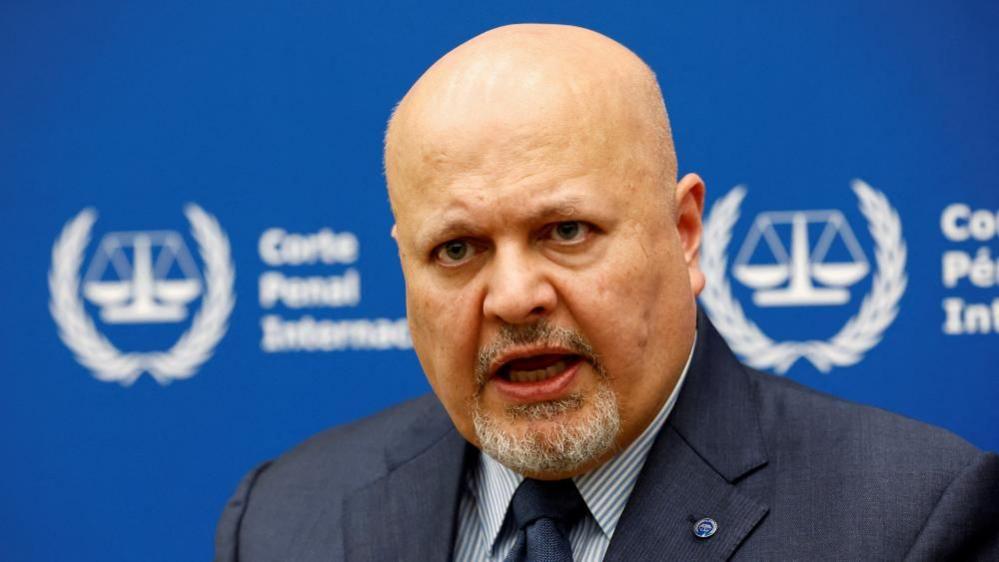
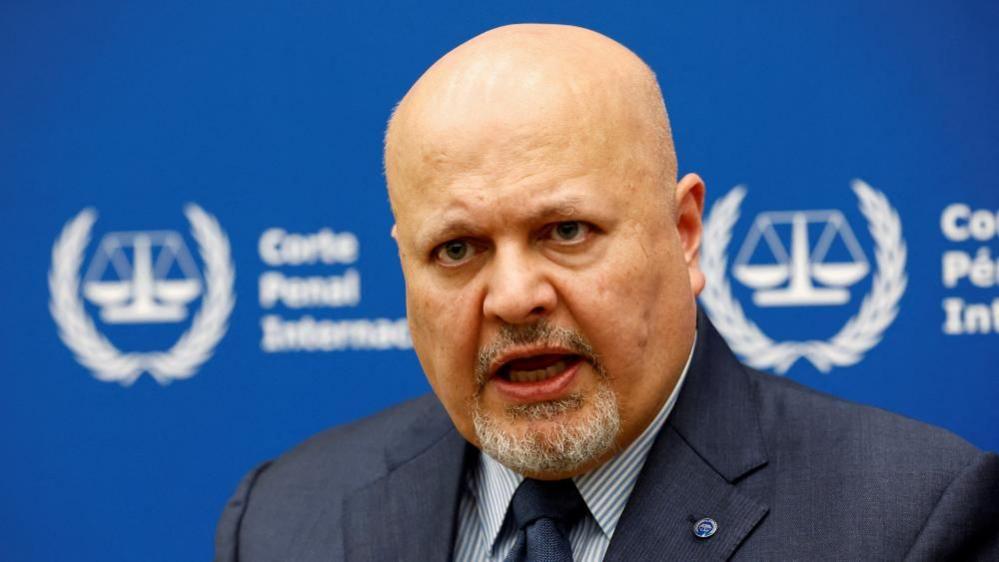
Members of the International Criminal Court (ICC) have voted to dismiss Karim Khan as chief prosecutor for alleged sexual misconduct.
Elected as the ICC’s third prosecutor in 2021, Khan had been suspended last month after allegations surfaced. The court’s oversight body concluded that he had engaged in a “serious breach of duty and serious misconduct” by pursuing an improper sexual relationship with a junior ICC staff member and attempting to block her complaint.
Khan has repeatedly denied the allegations, and his lawyers argue that the suspension was “unlawful, procedurally unfair and unsupported by evidence.”
The investigation and dismissal underscore the far‑reaching implications for the ICC, the world’s only permanent war‑crimes tribunal, which now faces intensified internal divisions and external campaigns to weaken and potentially dismantle the institution.
In May 2025 Khan voluntarily left his position to challenge the allegations while also facing a suspension from practising law in the UK, following an interim ban imposed by the Bar Standards Board during its inquiry.
His absence from the vote in New York was due to U.S. sanctions that prevent him from entering the United States, a measure taken during the Trump administration in response to the ICC’s investigation of alleged war crimes by Israeli officials in Gaza.
The controversy continues to weigh heavily on the ICC’s governance. In December 2025, the United Nations Office of Internal Oversight Services reviewed over 5,000 pages of evidence, concluding that Khan’s conduct amounted to serious misconduct, a finding confirmed by a panel of three judges tasked with advising the court on the case.
This episode unfolds amid mounting political pressure on the ICC. The United States threatened a comprehensive “whole‑of‑government” campaign to dismantle the ICC, citing perceived threats to American sovereignty and announcing visa bans, asset freezes and diplomatic pressure on allies to withdraw from the court.
While the United States, Russia and Israel are not members of the ICC, the court retains jurisdiction over crimes committed by their nationals on ICC‑member state territory, complicating the broader geopolitical implications of the court’s future.