Hunger Strike Ends as Jharkhand Cancels Controversial Exam
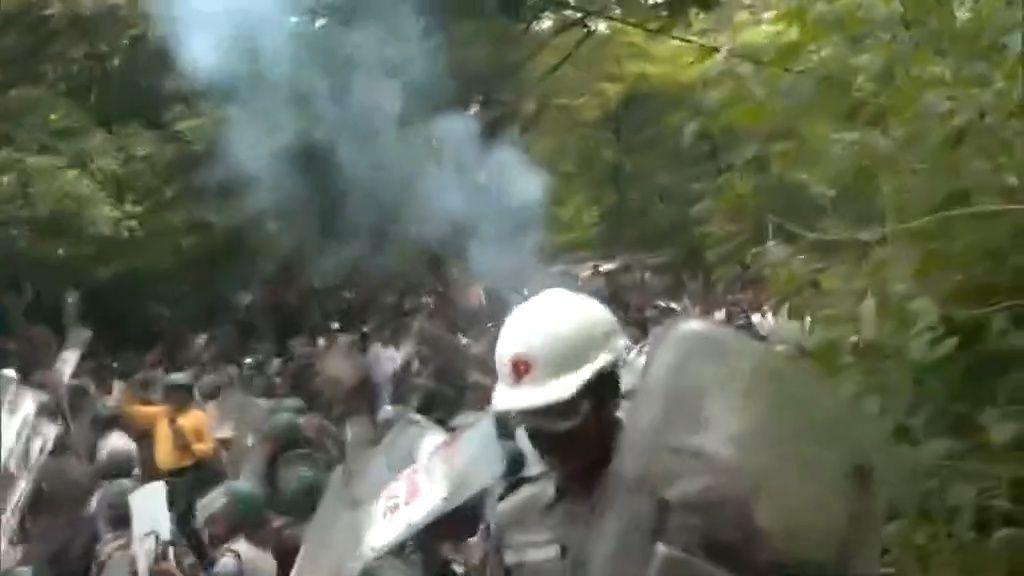
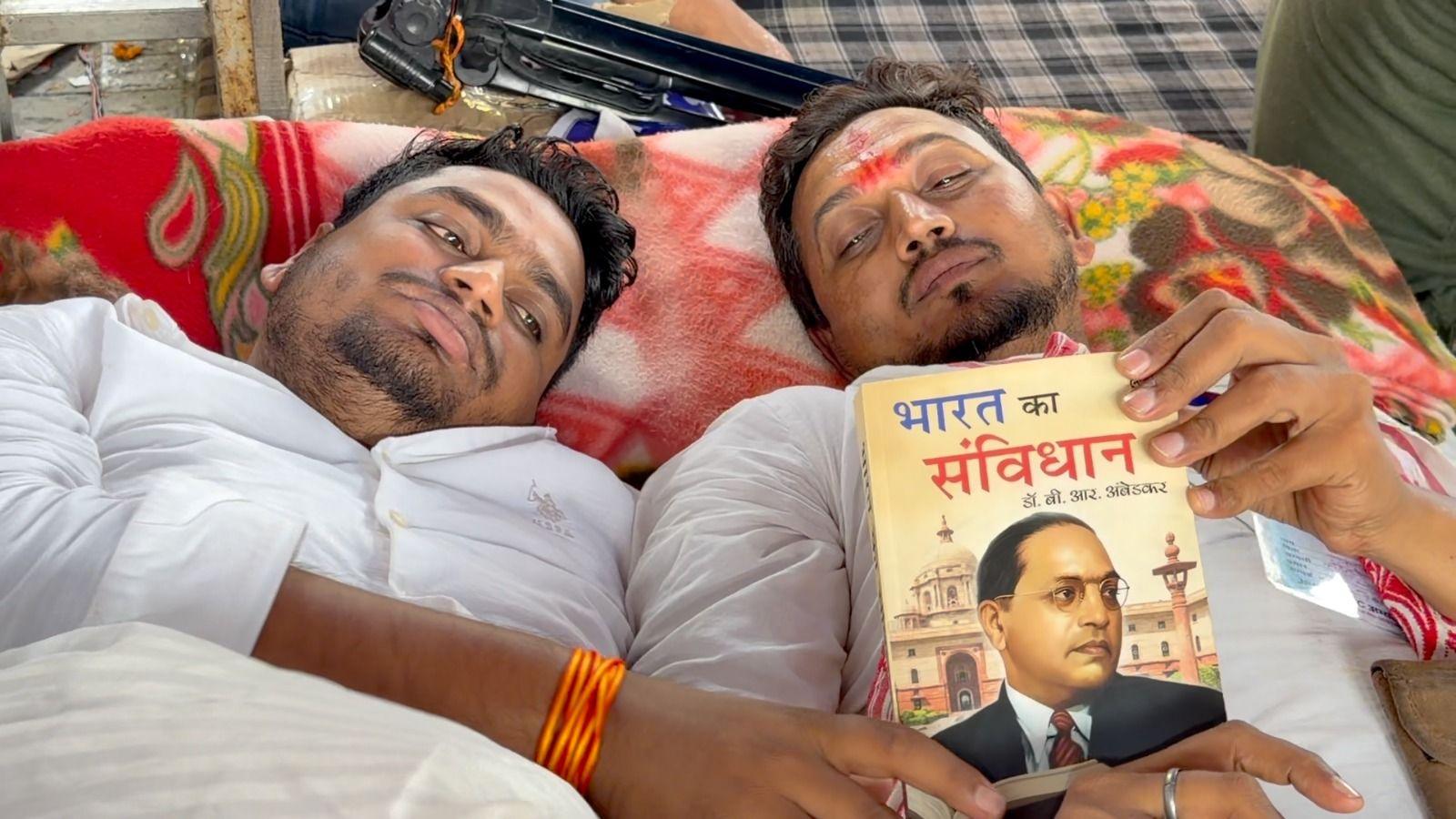
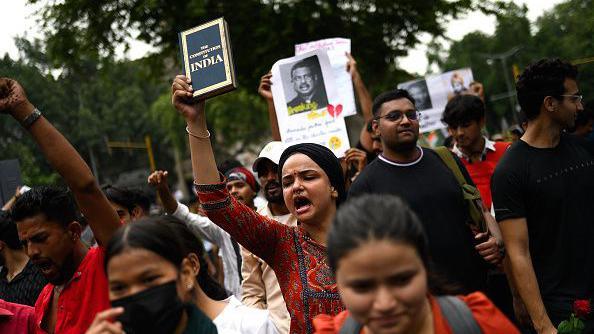
Student leader Devendra Nath Mahto broke his fast after 16 days in a Ranchi hospital, amidst a growing wave of protests that began on 25 July. The call for the cancellation of the dreaded Jharkhand Staff Selection Commission – Combined Graduate Level (JSSC‑CGL) exam has finally been answered by the state’s leadership.
The agitation erupted when job aspirants and students highlighted irregularities in government recruitments, including leaked answer keys and the use of unfair methods to clear exams. Thousands have queued for civil‑service tests each year, making them a coveted source of stability and security in India.
Chief Minister Hemant Soren announced that the JSSC‑CGL exam would be scrapped and that all tests carried out by the private agency TDPL would be annulled. He added that the Criminal Investigation Department (CID) would probe the exam’s alleged malpractices, and a committee would be created to recommend comprehensive reforms.
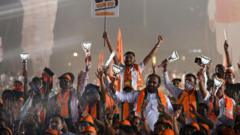
The protests, which have marched for a week and now culminated in celebrations in Ranchi’s stadium, have not yet folded. Many protestors insist that the movement will stay firm until the Central Bureau of Investigation (CBI) launches an independent probe.
The moves by the coalition government—comprising Jharkhand Mukti Morcha, the Congress and other allies—have alarmed the opposition Bharatiya Janata Party, which has publicly backed the demonstrators. Moreover, the cancellation has triggered discontent among those who had already accepted positions through the scrapped exam.
Officials say the investigation into all recruitment exams since 2014 is slated to uncover “shocking facts,” though the details remain undisclosed. In the meantime, the government promises to keep the public updated as the inquiry proceeds.
Devendra Nath Mahto’s fast, which started on 1 August, concluded after an agreement reached that the exam constituted a “systemic problem” requiring immediate reversal. The final decision was taken at a hospital meeting with state ministers, in front of a crowded press contingent.
The story underscores the volatile mix of student activism and bureaucratic oversight, and how exam rigour can transform into political leverage when credibility is eroded.