In brief
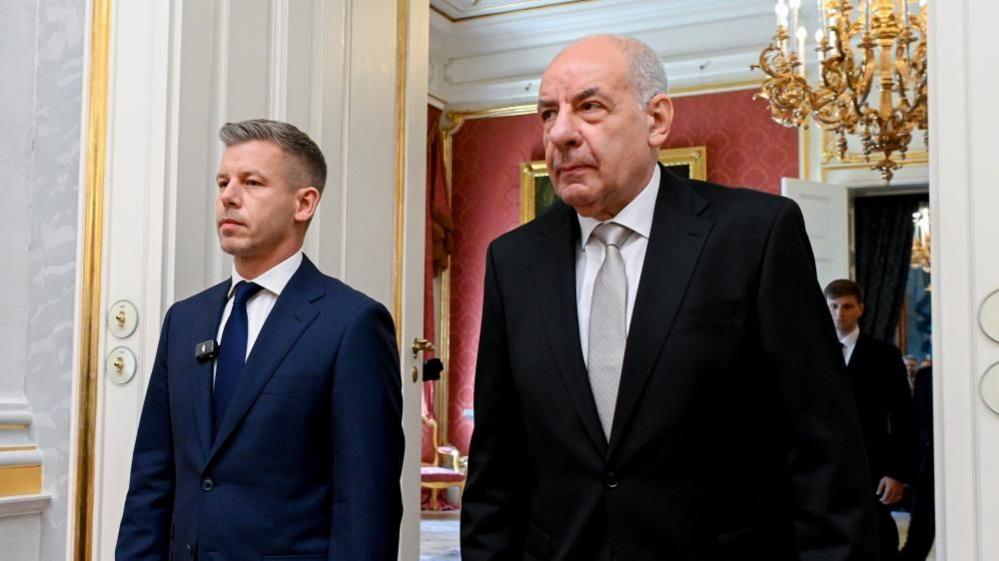
On 13 July, Hungary’s parliament voted to remove President Tamás Sulyok, a loyalist of the ousted Viktor Orbán regime, with a decisive two‑thirds majority. The 17th constitutional amendment, spearheaded by PM Péter Magyar’s Tisza party, will end Sulyok’s term and appoint new leadership in the Constitutional Court. Opposition Fidesz members staged a walk‑out and condemned the move as authoritarian. Sulyok faces five days to sign the amendment, resign, or face impeachment while the political landscape shifts toward a new leadership regime.
On Monday parliament recorded a decisive two‑thirds vote that will end President Tamás Sulyok’s tenure. The move was the first time a sitting president has been removed by a parliamentary majority since 2010, when a ruling coalition reshaped Hungary’s state organs.
Péter Magyar’s Tisza party pushed the 17th constitutional amendment, which also de‑elected the Collegium head Péter Polt and set limits on senior judges and long‑term MPs. The operation carries the presumption that the party is using its two‑thirds majority to cement its new governance model.
Sulyok now has five days to sign the new law or hand it to the Constitutional Court, where his future could hinge on an impeachment procedure that would automatically suspend his office. Under one alternative the president could step down to prevent a constitutional showdown.
Fidesz lawmakers walked out of the chamber earlier this week and accused the ruling bloc of taking the government “to a point of tyranny.” The amendment’s language expands executive power to remove any public official instantly, a claim the opposition terms “arbitrary.”
Former Supreme Court chief András Baka welcomed the change, saying that rule of law had collapsed when Fidesz turned state institutions into political tools. He argued that curbing the right of voters to choose new representatives represented a new authoritarian trend.
Meanwhile, Viktor Orbán’s party is in free fall after its landslide defeat and its leader remains conspicuously absent from public life. A former deputy, Gergely Gulyás, resigned from the parliamentary group, amplifying the sense of chaos inside the party.