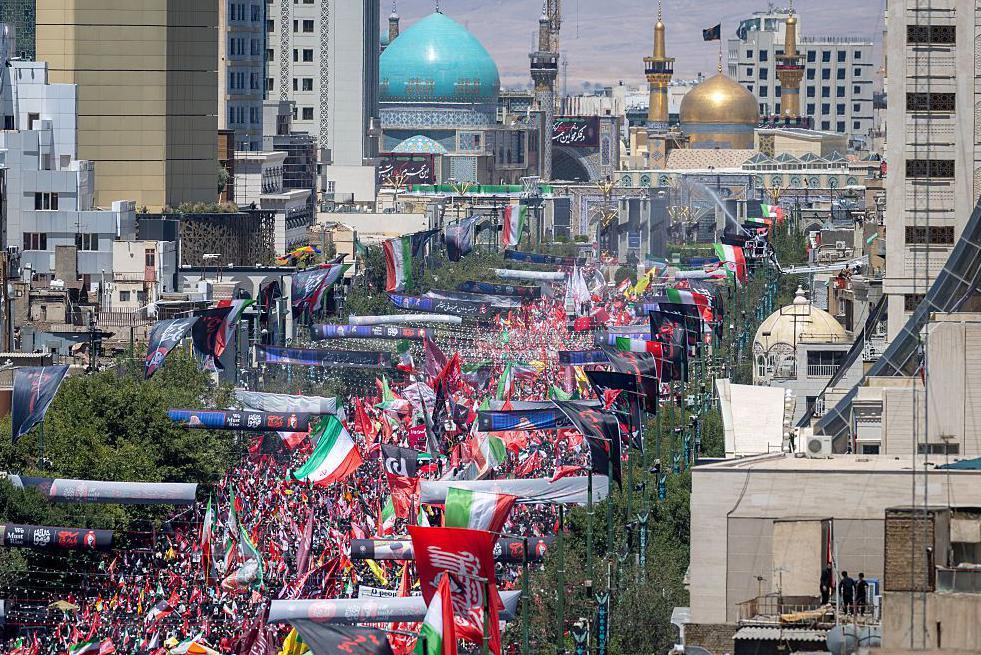
Huge crowds swept through the streets of Mashhad, the northeastern Iranian city where Ayatollah Ali Khamenei was born, for the burial of the country’s late supreme leader. The procession headed to the Imam Reza shrine, Iran’s holiest Shia site, on the gold‑domed complex that has drawn millions of pilgrims for centuries.
Those in line carried photographs of Khamenei, held up red banners that echoed the colours of vengeance, and waved Iranian flags. Some even carried placards calling for the death of U.S. President Donald Trump and Israel’s Benjamin Netanyahu, names the Iranian leadership has blamed for the attacks that killed Khamenei and many of his family members.
The coffins arrived by plane after a flight from Iraq, where mourners had already gathered around shrines in Najaf and Karbala. The coffin was then slowly carried through the crowds on a lorry, finally touching the shrine's threshold as night fell.
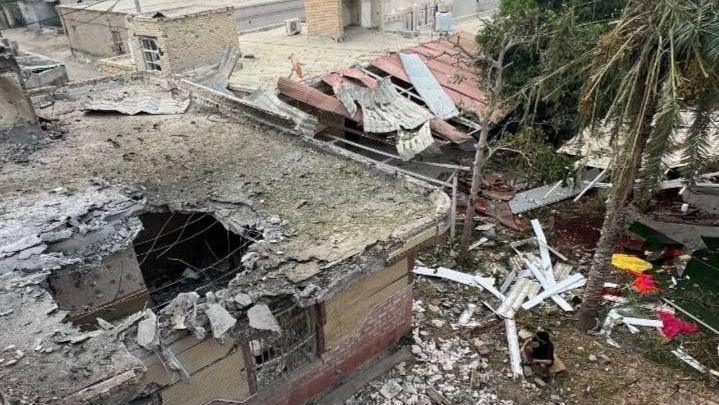
Khamenei’s death marked the end of six days of public mourning that began in Iran’s modest cities and the U.S. capital, two years after the war that began with an Israeli strike on his residence in Tehran. Despite the tragedy, the revolutionary guard said that U.S. forces struck two bridges on the railway line from Tehran to Mashhad, “in an effort to shadow” the funeral.
Meanwhile, the U.S. and Iran are locked in a costly back‑and‑forth war, with each side exchanging air strikes and diplomatic threats. The burial ceremony, however, shone as a potent symbol of Iran’s unity and enduring faith in its leadership, placing the death of a leader “heavier than losing our parents,” one housewife told AFP.
Further comment: The Imam Reza shrine, a 9th‑century mausoleum, built with a towering gold dome and minarets, is visited by millions each year. It stood witness to Khamenei’s funeral, signaling his final resting place in the heart of Iran’s Shia spiritual heart.