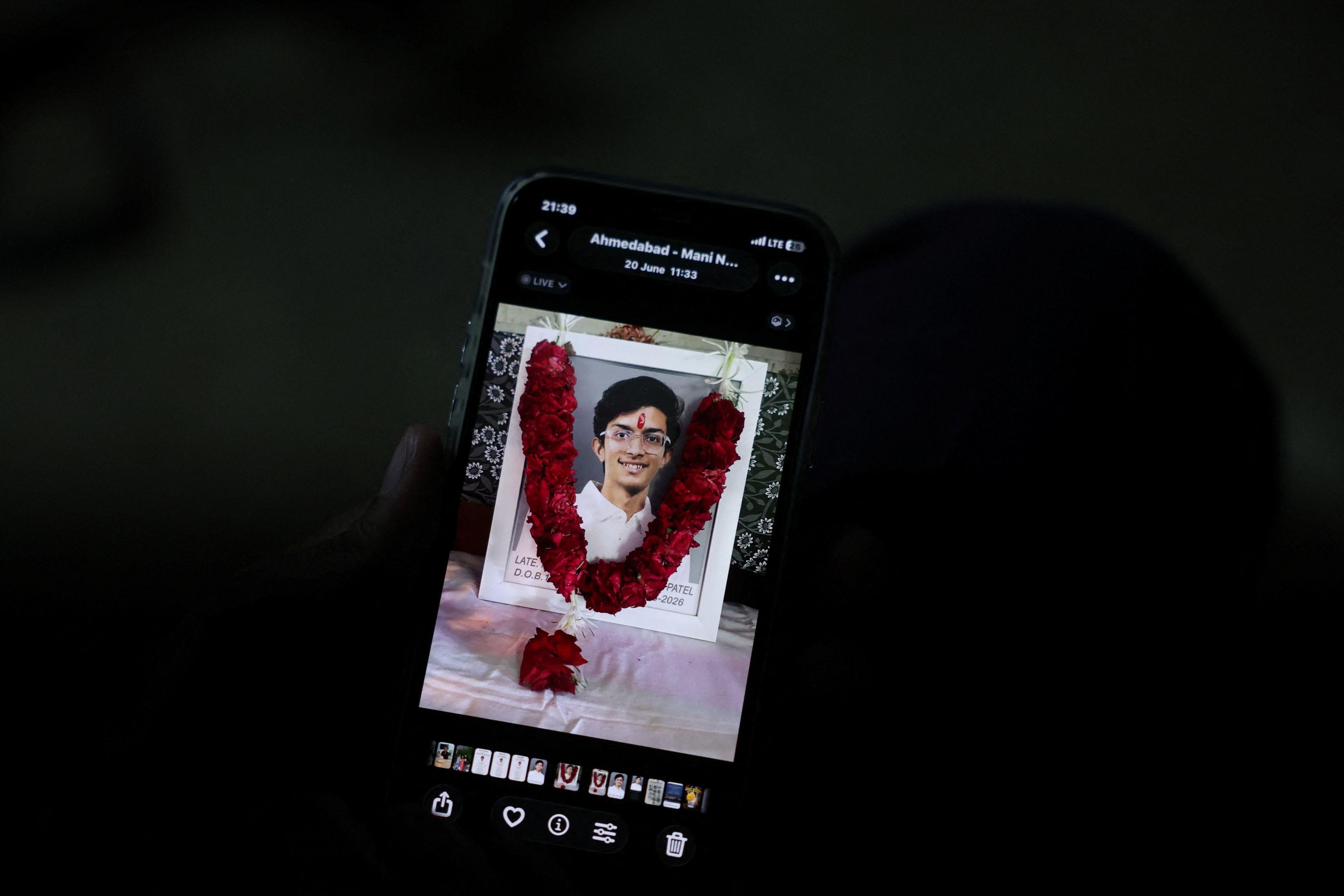
Three days before the national medical entrance exam was due to be held again, 17‑year‑old Kahaan Patel leapt from the sixth floor of his family's apartment in Ahmedabad. The scene that followed—his laptop still open, books scattered on his bed, a guitar on a table—was shockingly ordinary, a snapshot of a young life thrust onto its last day.
Kahaan had swallowed a school‑leaving test score with confidence, decided to become a doctor, and moved his family to a better school. He was a normal teenager—footballer, reader of Harry Potter, dreamer of Disneyland visits—yet the weight of an exam loomed heavy.
The NEET paper leak announced on 3 May forced the government to cancel the test and order a retest six weeks later. Kahaan’s anxiety surged, his nightly routine turned chaotic, and in the days that followed he began to question the fairness of a system that could erase his efforts.
His father, lawyer Prashant Patel, recalls a phone call on the eve of 17 June where Kahaan floated a braver life. The father tried to calm him, telling him who had proven knowing the exam was done in advance. The grief piled as the test was scrapped, perhaps leaving a mental fracture that theorem could not repair.
In a separate village 770 kilometres away, 23‑year‑old Pradeep Kumar, son of a farmer, had poured a million rupees of his father’s savings into NEET coaching. He had planned to sit the exam for the fourth time once the paper was leaked and the test rescheduled.
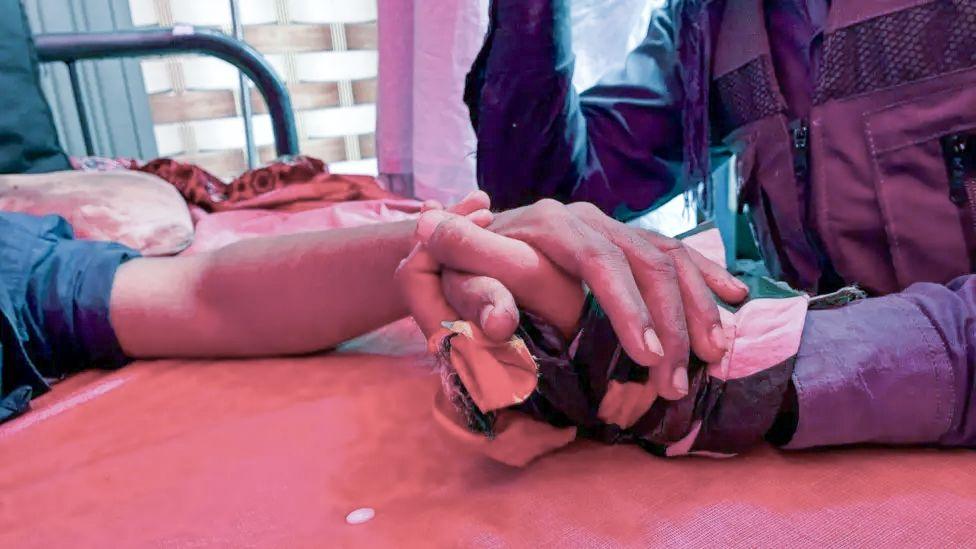
The suicide of Pradeep—after a night of constant study, the absence of anything else, even a phone—cut a raw line through a family that had chiced everything for education. His father sold land to finance his study, and when the paper leak came, the future that meant overnight success turned to despair.
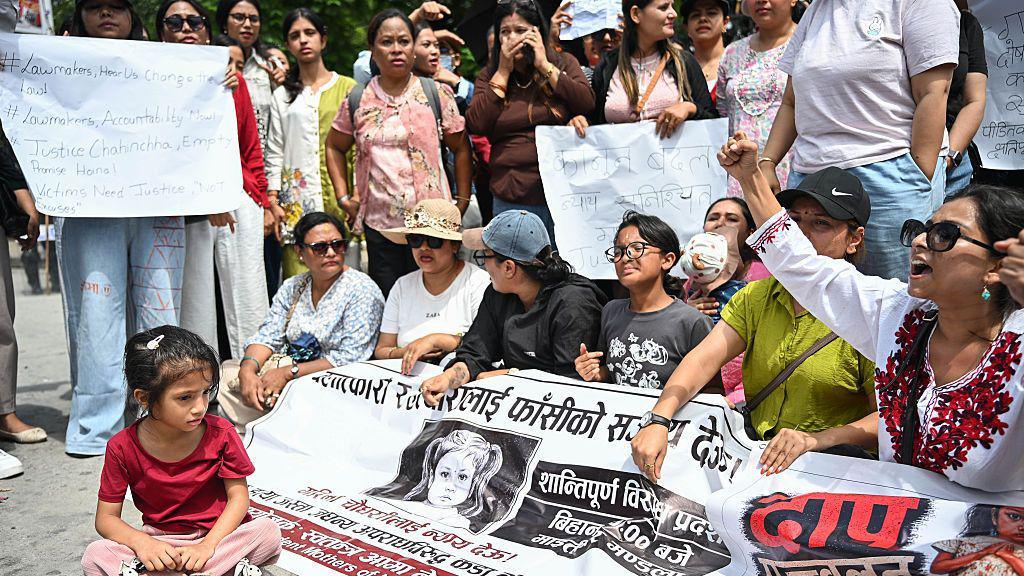
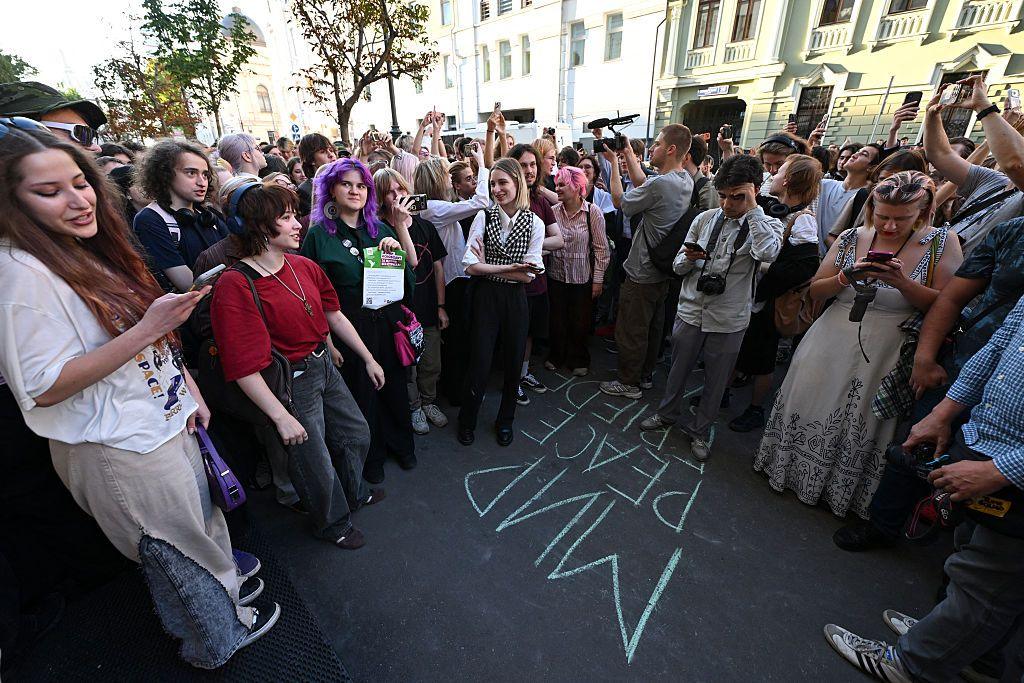
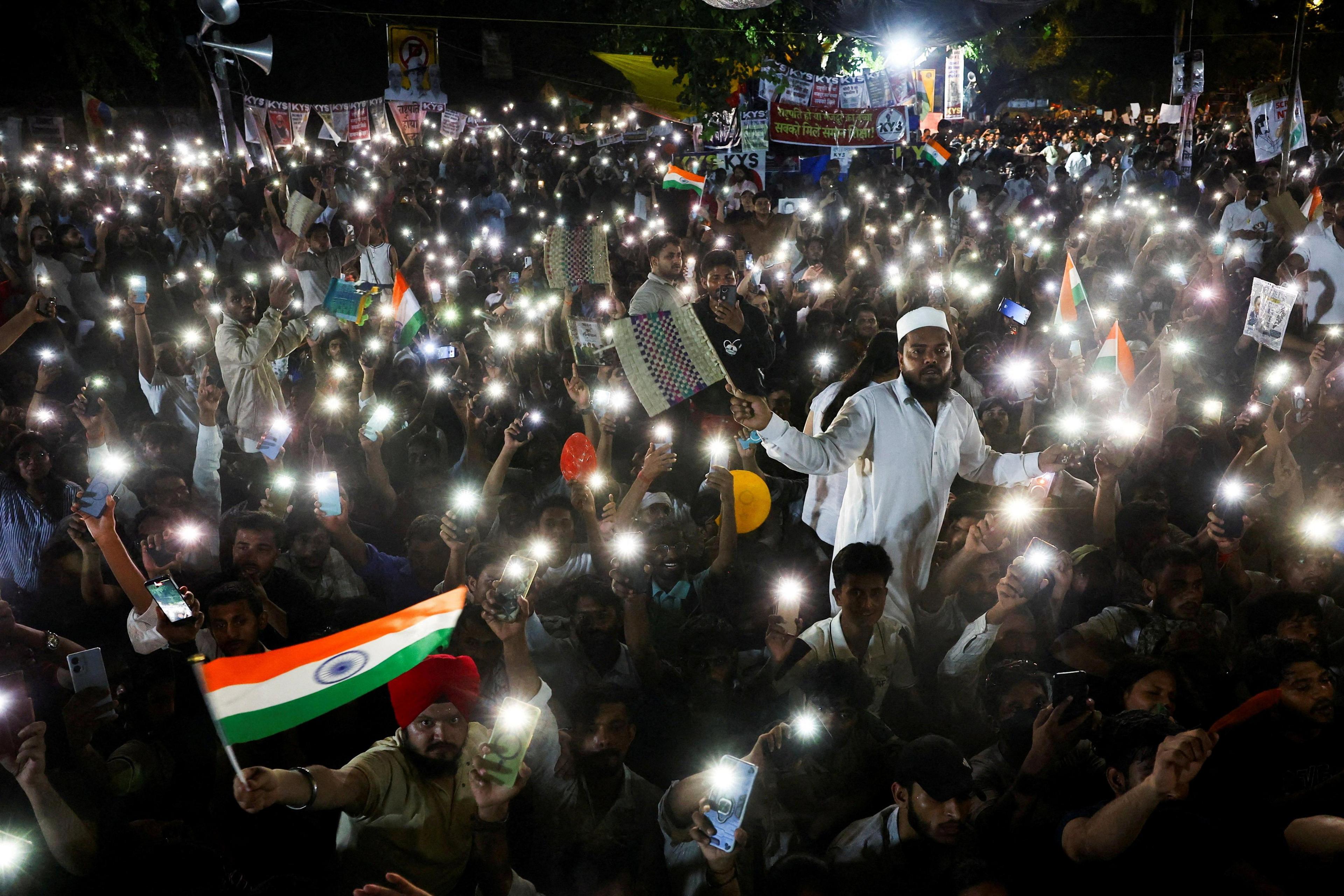
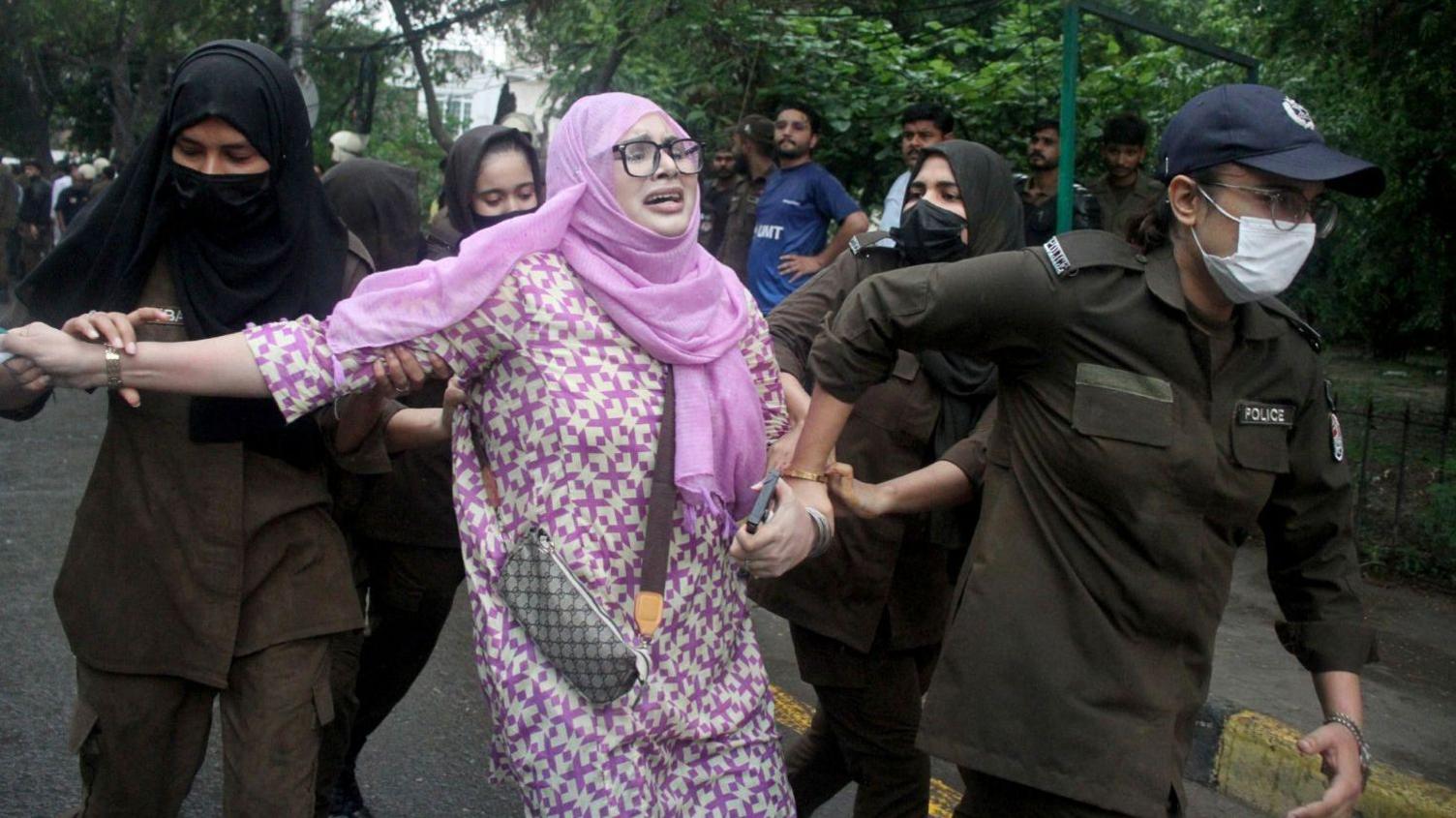
Both families turned to protests that spread across Delhi, Tunisia? No, across India. The students marching, the satiric Cockroach Janta Party, the demand for accountability moved the Education Minister Dharmendra Pradhan to resign in July. A statement from the government offered compensation, but the families’ voices remained loud, reaching into the absence of a system that was supposed to help.
The tragedy of 21 young lives sparked a broader question: how does a nation make its best promise—fairness in exam, or paths to professional medicine—while the young bear the emotional burden? Parents like Prashant Patel urge listening to the silent voices of threatened youths before they break. The legacy of the protests is a call to re‑evaluate the exam system that lets hope turn into fatality.