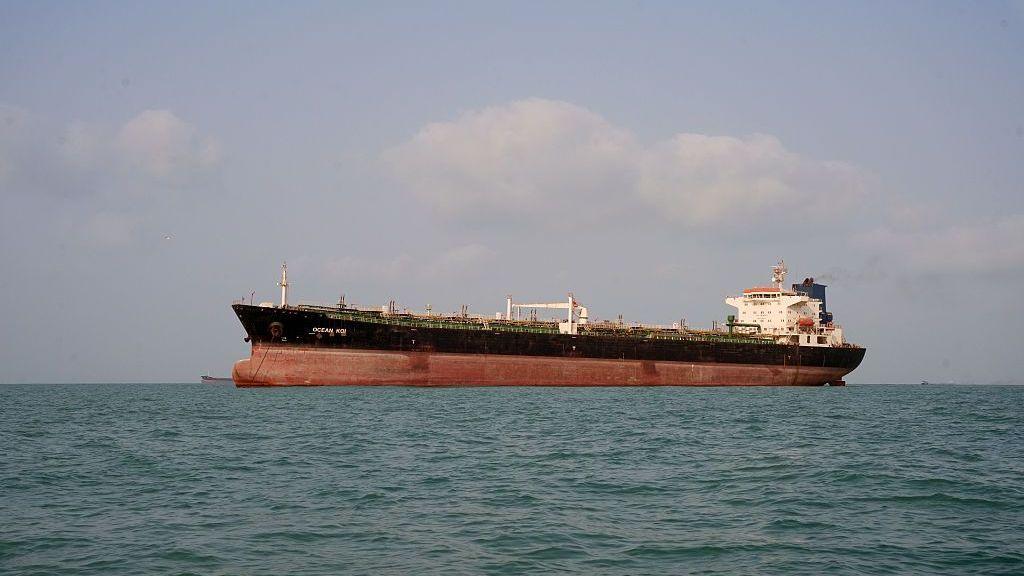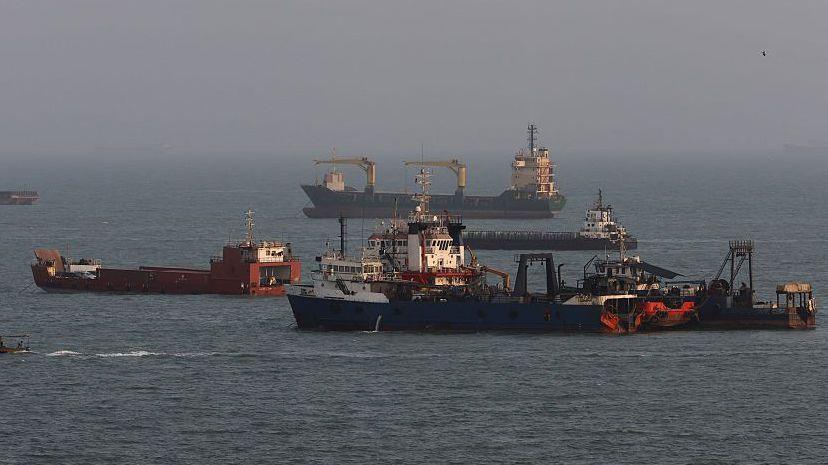
In the early hours of Tuesday, Yemen’s Houthi movement asserted that it struck two Saudi Arabian oil tankers, the Encelia and Layla, while the United States launched its 12th consecutive night of missile strikes against Iranian forces. The attacks come at a time when Iran has already been hit by U.S. aerial offensives, according to Iran’s state media reporting two fatalities and a fire on a tanker within the Strait of Hormuz.
Yahya Saree, a senior Houthi military spokesperson, claimed the group targeted the ships with drones and missiles because the tankers were violating what the Houthis call a naval blockade. The attack reportedly forced the Encelia to alter its course and caused a fire but no casualties, a Royal Navy observation reported.
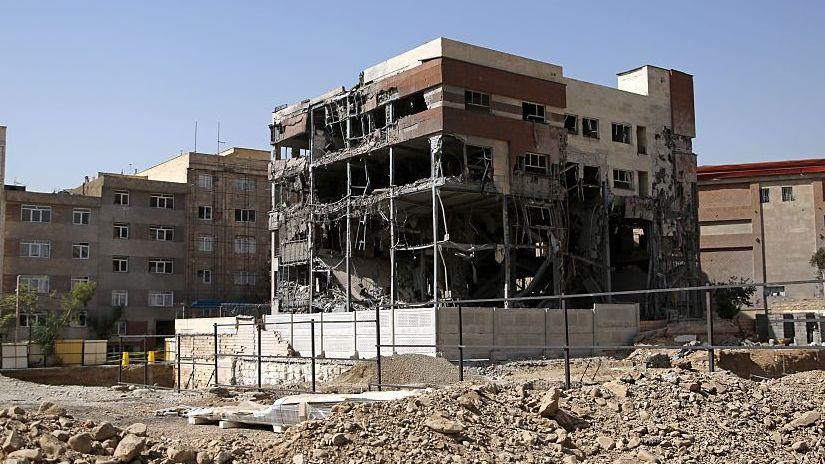
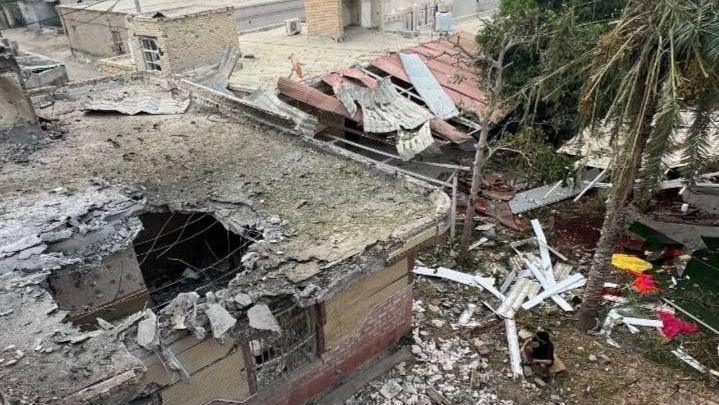
U.S. Central Command confirmed that the strikes were directed at "Iranian military targets including maritime capabilities, missile and drone storage facilities, coast‑surveillance sites and air defense assets". The U.S. described the operations as an effort to degrade Iran’s ability to threaten civilian maritime traffic.
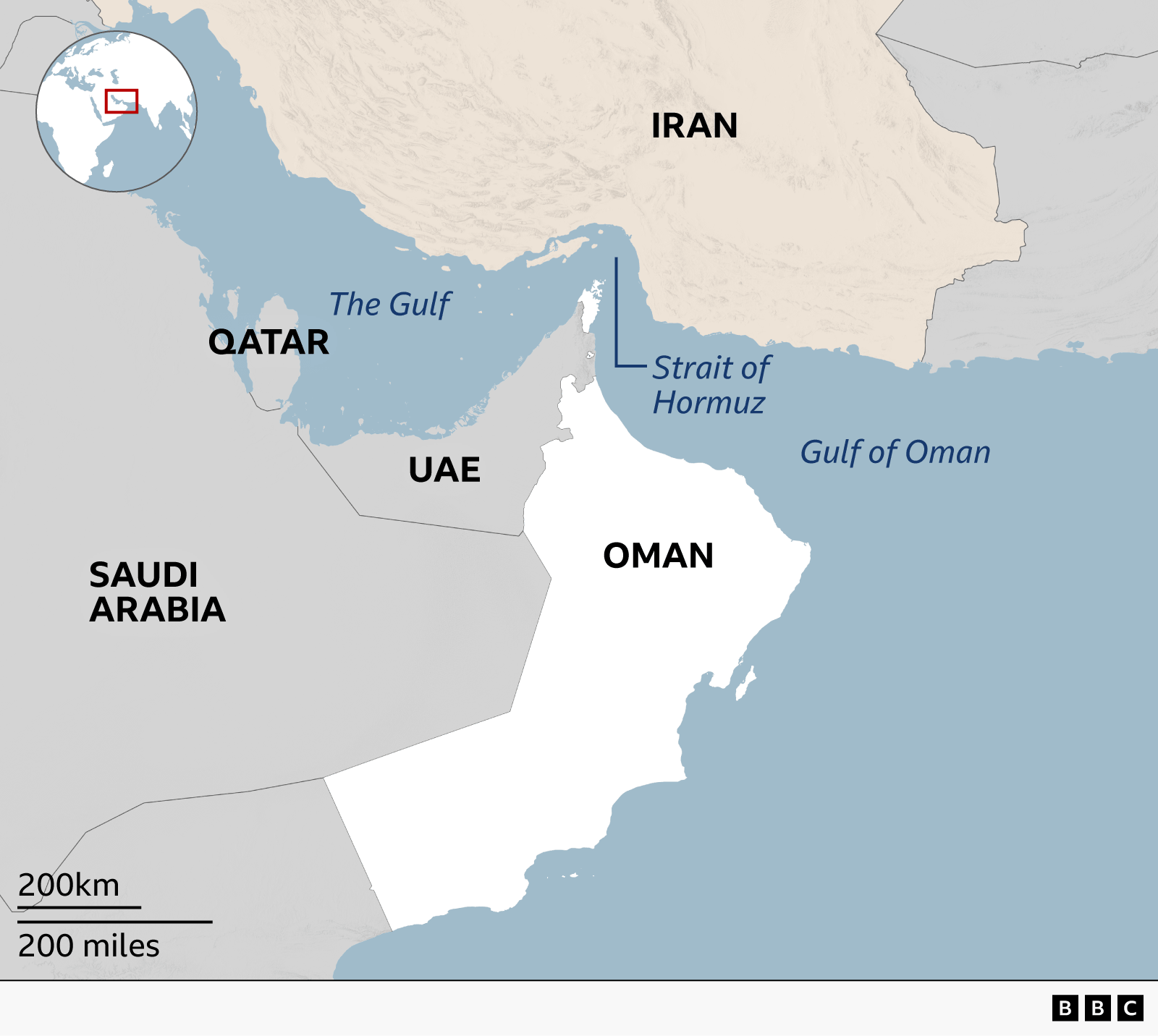
The escalating conflict has prompted the Iran Revolutionary Guard to close three oil tankers attempting to traverse the Strait of Hormuz, with one vehicle caught fire after passing a mined route. Iran’s statement also warned of a retaliatory stance towards future U.S. engagements in the region.
President Donald Trump, who met with Houthi leaders just days before the incident, threatened to destroy an Iranian bridge or power plant if the Iranian forces continued to target ships in the Strait of Hormuz and promised to "take care of" the Houthis should they block the Red Sea. His remarks were followed by deterrent actions that could trigger a broader escalation.
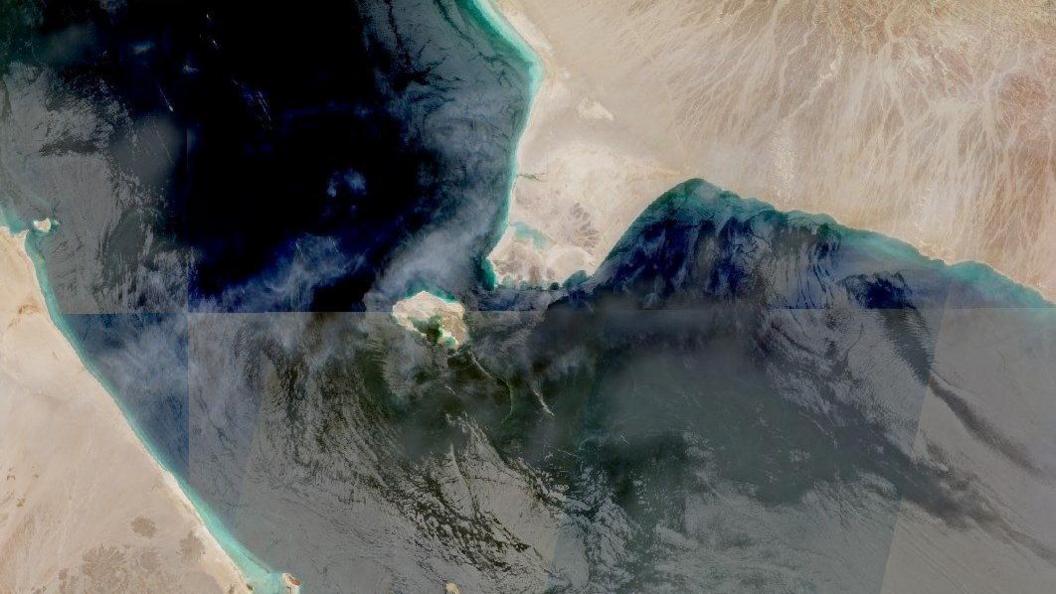
The Houthi blockade is said to have aimed at the Bab al-Mandab strait, the southern gateway of the Red Sea, a vital artery for Saudi oil shipments. An Iranian scroll announced that the Houthi maritime embargo would start on Monday, though details remain sparse. The blockade has already caused several vessels to turn around near Yemen.
The closure of key maritime routes ties into a broader context of stalled peace negotiations between the United States and Iran. While a Memorandum of Understanding was signed in June promising a ceasefire and the reopening of the Strait of Hormuz, the U.S. later declared the ceasefire over after Iranian aggression, sparking a feedback loop of hostilities.
The ongoing conflict threatens a swift escalation that could jeopardise global shipping lanes and further inflame volatility in the region’s oil markets. Analysts warn that any spillover or full‑scale blockade could send oil prices higher and disrupt supply chains worldwide.