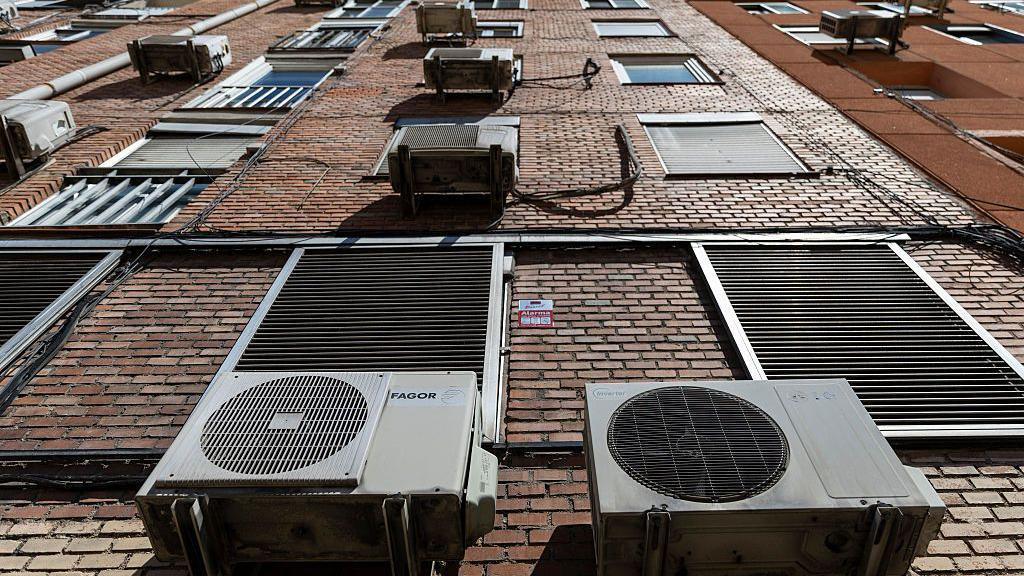
Heatwaves Drive Europe to Chinese Air‑Conditioners
The latest June heatwave shattered records across Western Europe, with temperatures in many German cities cresting above 40°C (104°F). For residents, the intense summer heat has turned the search for relief into a high‑stakes adventure.
The Midea Surprise
German engineer Steven Scholtysek, 36, found himself cocooned in a sweltering attic apartment in Hamelin. “It’s not possible to live a normal life in those flats, below the roof, in summer heat,” he told us.
Scholtysek’s solution? A Midea PortaSplit, a portable split air‑conditioner that attaches seamlessly to a window. He called it a “game‑changer.” The unit, advertised as “perfectly compatible with most European window types,” has sold out in stores across Germany, France, Spain, the UK and Austria, with resellers marking it up to triple the retail price (€750). Companies such as TCL Technology reported a more than 300 % jump in French sales, while Midea’s Europe office noted a 70 % year‑on‑year increase (figures not confirmed by the company).
Midea solved the problem in quite an interesting way,” explained Viennese resident Denis Yurchak, who has been running his PortaSplit 24/7 during the worst part of the heatwave.
EU Builds vs. Portable Solutions
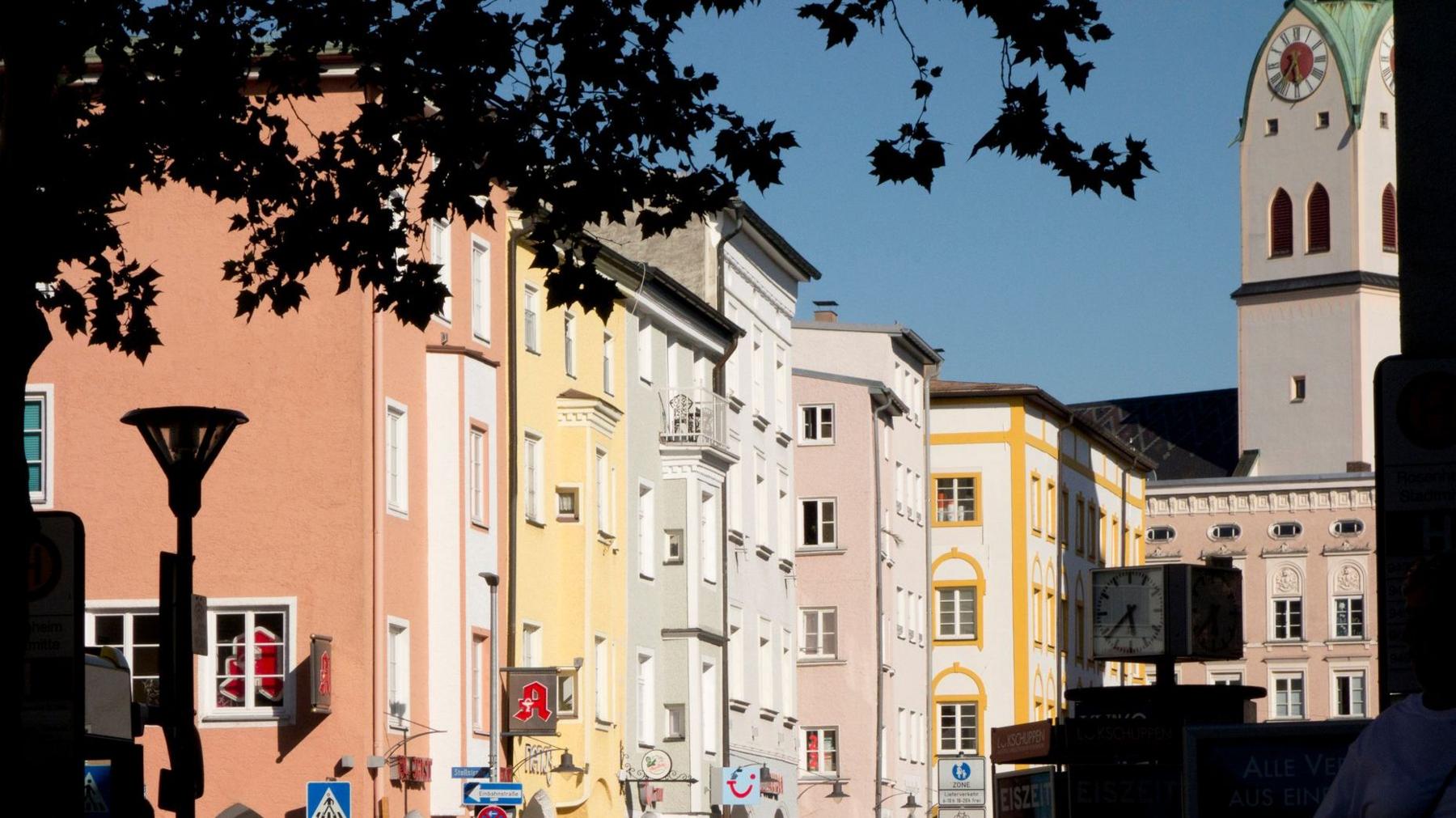
Many European buildings—particularly older, heritage sites—have strict guidelines that limit external wall modifications, making traditional indoor/outdoor units impractical. The portability of the PortaSplit, coupled with the decision to use a lightweight outdoor unit that can be perched right on the balcony, has proved a clever workaround that sidesteps these constraints.
Power, CO₂ and the Debate
Air‑conditioners take up about 7 % of global electricity use and are responsible for roughly 2.7 % of emissions from fossil fuels and industry worldwide, according to a 2024 report by Our World In Data. In the latest summer, France’s power utility pledged €80 million to install cooling systems in schools and community centres to cope with the record heat.
Environmental groups and some politicians warn that widespread AC use can increase the local “heat island” effect, while others argue that the devices are essential for safeguarding vulnerable populations during extreme heat events. The World Health Organization’s Europe office published a “nuanced” recommendation, citing AC as a necessity in extreme conditions but not a panacea.
From Stigma to Pride
Chinese state media celebrated the trend as a victory for “Made in China” products, citing the PortaSplit’s German engineering and Italian design pedigree as evidence of a changing global perception. “The fact that Chinese air conditioners have become a necessity for Europeans,” the People’s Daily editorial read, “is not merely a trade phenomenon, but a microcosm of ‘Chinese‑style empowerment.’”
Europeans themselves have been surprised. Adrien Olar in France, who purchased his first PortaSplit after pouring his wallet for water, likened it to “going into a fridge.” Scholtysek added that he even bought shares in Midea, reflecting his confidence in the company's European prospects. Midea’s general manager for Europe, Ralph Kobsik, said the firm was “continuously investing in technologies that meet the specific requirements of European consumers” and saw “considerable long‑term growth potential.”
As heatwaves focus power grids and bring public debate to the fore, the so‑called Chinese‑made cooling device is far more than a gadget— it is a symbol of shifting trade dynamics, manufacturing confidence, and the European struggle for comfort in an increasingly climate‑challenged world.