Heart, Hope and Determination: The Musical Legacy of Dolly Parton
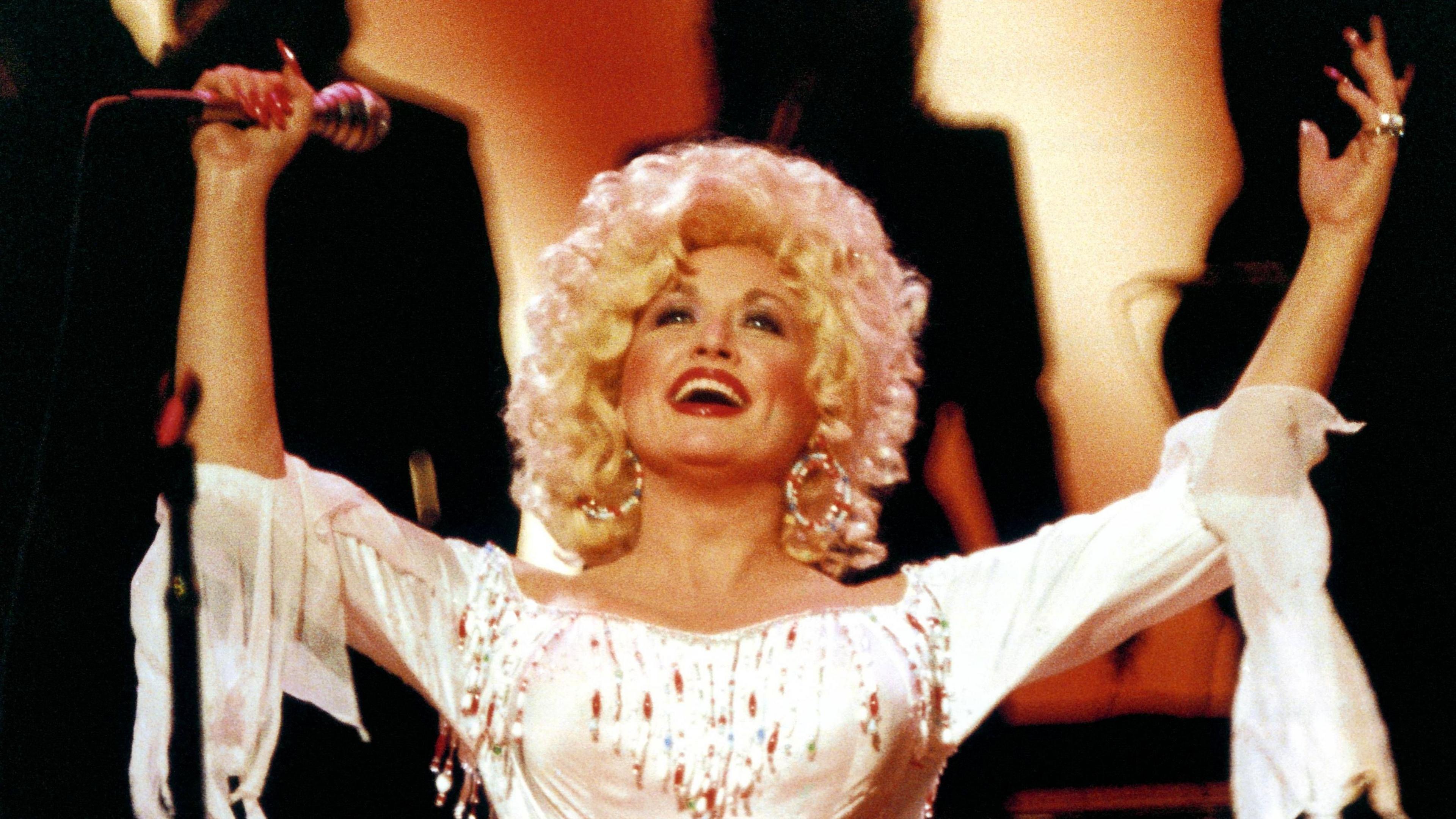
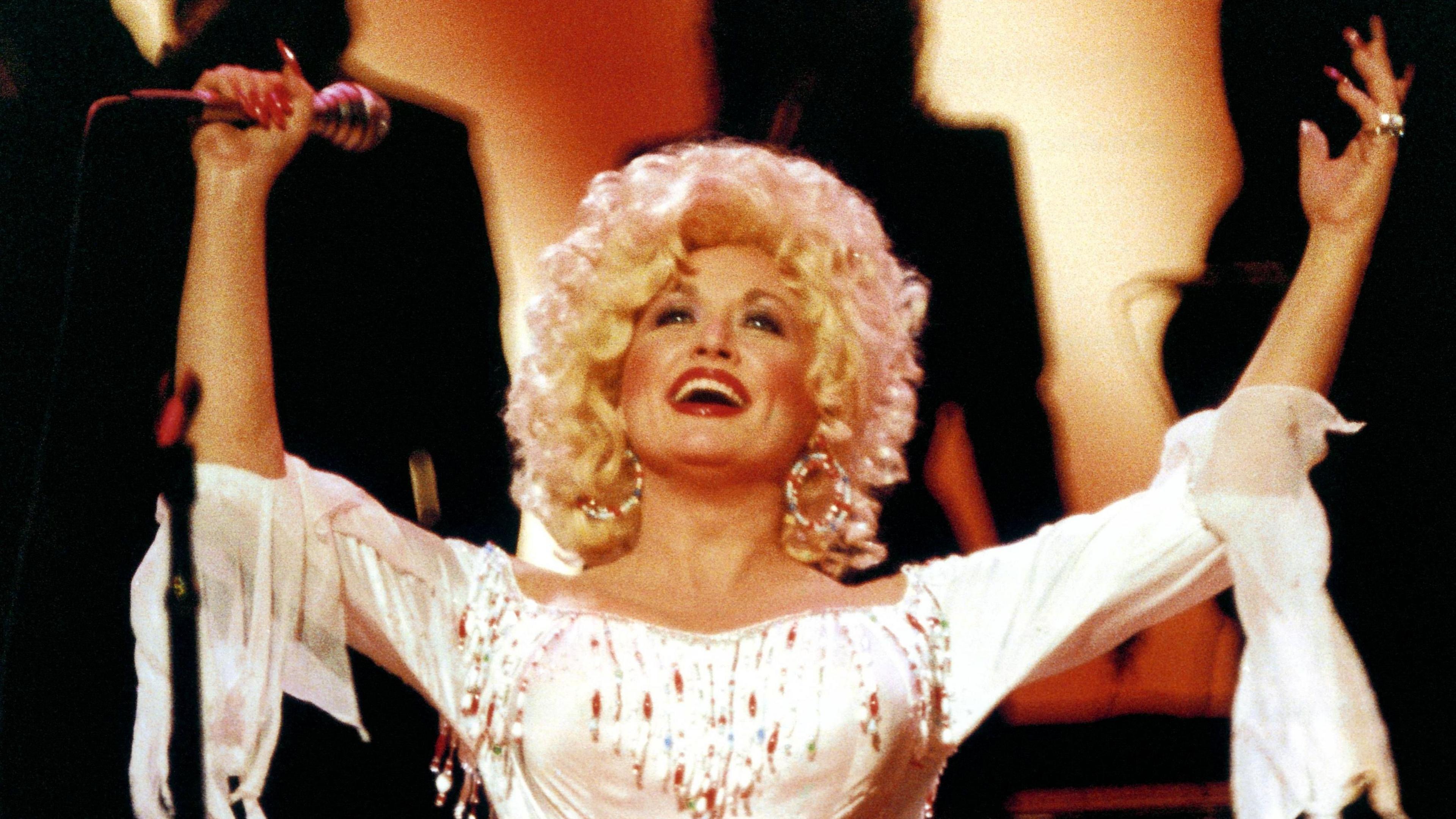
In 1980, Dolly Parton was filming her first Hollywood movie, 9 To 5, and between scenes she had an idea for the tune that would become the movie's theme song.
Her guitar had been banned from the set, so she improvised a beat by strumming her acrylic nails together. The rhythm she struck felt eerily like the typewriter her character used, a married secretary who was constantly belittled and sexually harassed by her boss.
Excited, she ran over to Lily Tomlin and Jane Fonda, who co‑starred and produced the film, and sang the nascent song. According to Fonda, “Lily and I looked at each other and we had goosebumps. We knew this was not just a movie song, this was an anthem.”
Released in November 1980, 9 To 5 became Parton's only US number‑one single as a solo artist and earned her an Oscar nomination for best song. Though it’s instantly recognizable for its jaunty hook, the track’s deeper verses reveal her fury at the misogyny and inequality of corporate America.
She summarized her emotional stance when she sang, “It’s a rich man’s game, no matter what they call it / And you spend your life putting money in his wallet.” These lyrics resonated with working women of the era and gave them a voice after years of being relegated to narrow stereotypes.
Parton’s early breakthrough was in 1967, when she played the “girl singer” on The Porter Wagoner Show, a TV program that drew millions each week. Together with Wagoner, she released 21 duets—including “Just Someone I Used to Know” and “If Teardrops Were Pennies” – before feeling the need to break out as a solo artist. Her decision to write “I Will Always Love You” as a break‑away apology led to a lawsuit from Wagoner, which she settled for roughly $1m.
Her assertive attitude also played out in the voicemail from Elvis Presley's manager, Colonel Tom Parker, who demanded half of the publishing rights to “I Will Always Love You.” Parton refused, preferring to keep those rights for her family, a choice that is still remembered when Houston’s 1992 cover earned the original artist enough money to buy Graceland.
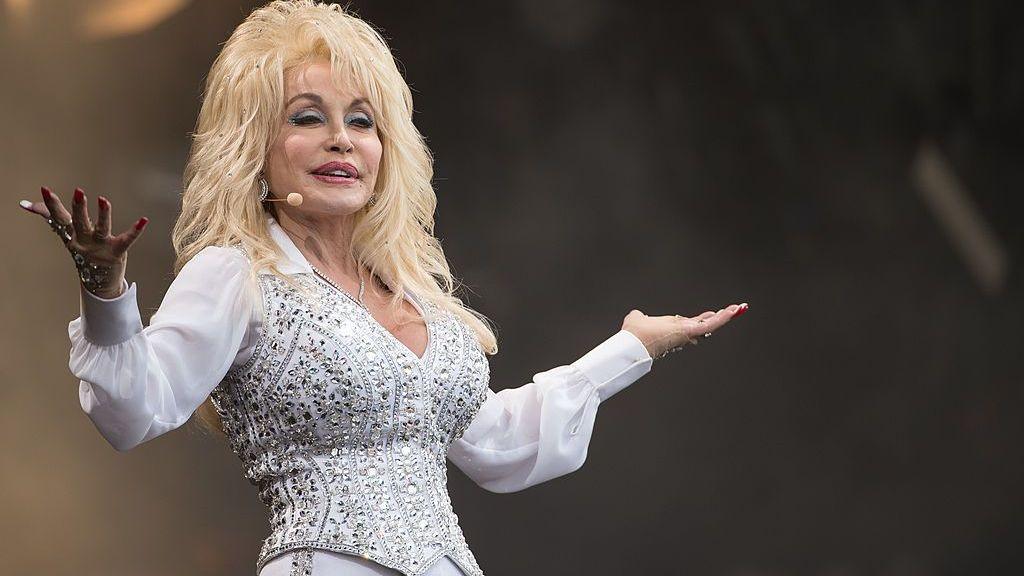
Beyond her own catalog, her generosity extended to philanthropy: she created scholarships for impoverished students and distributed over 200 million books to young readers worldwide. Her approach to both music and giving forged a legacy that continues to inspire generations.
From the simple nail‑beat of 9 To 5 to her choice to own every word of her music, Dolly Parton’s story is one of heart, hope, and a steely determination that leaves an indelible mark on the music industry and beyond.