In brief
The war in Gaza is devastating for all, but particularly hazardous for individuals with disabilities who encounter myriad obstacles, including lack of mobility aids and unsafe living conditions.
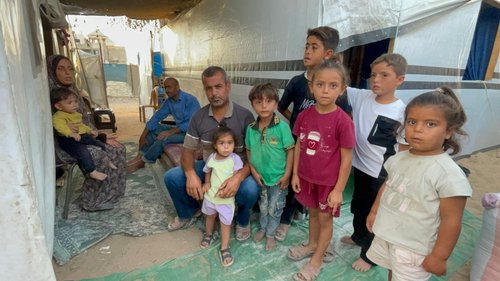
The conflict in Gaza has escalated into a humanitarian crisis, particularly for individuals with disabilities who are facing unprecedented hardships. A poignant example is the experience of Zuhair Abu Odeh and his 9-year-old daughter, Lara, who requires a wheelchair. When Israeli forces initiated evacuations in northern Gaza last year, the family struggled to escape to safety. In the chaos, Mr. Abu Odeh was forced to abandon Lara’s wheelchair after it became stuck in a road crack, leading him and his sons to carry her on their backs for more than four hours, traversing nine miles to safety in Nuseirat.As of December 2024, the ongoing war has uprooted the lives of nearly two million residents in Gaza, predominantly leaving them in search of basic necessities: food, water, sanitation, and electricity. For families with disabled members, the situation intensifies, highlighting a spectrum of challenges stemming from increased vulnerability and the scarcity of necessary assistive devices like wheelchairs and hearing aids. Accessibility issues worsen with compromised infrastructure; streets and pathways, particularly in makeshift camps, present significant hurdles.The plight faced by the disabled community in Gaza underlines not just the physical challenges posed by the conflict but also emotional and psychological distress. The societal support system, already strained, is further eroded, leaving families like the Abu Odehs grappling with urgent needs in a landscape of despair. Despite finding another wheelchair in February, Mr. Abu Odeh notes that the rugged conditions of the camps continue to pose obstacles in daily activities, underscoring the ongoing adversity faced by people with disabilities amidst the war.