Background of the Gaza War
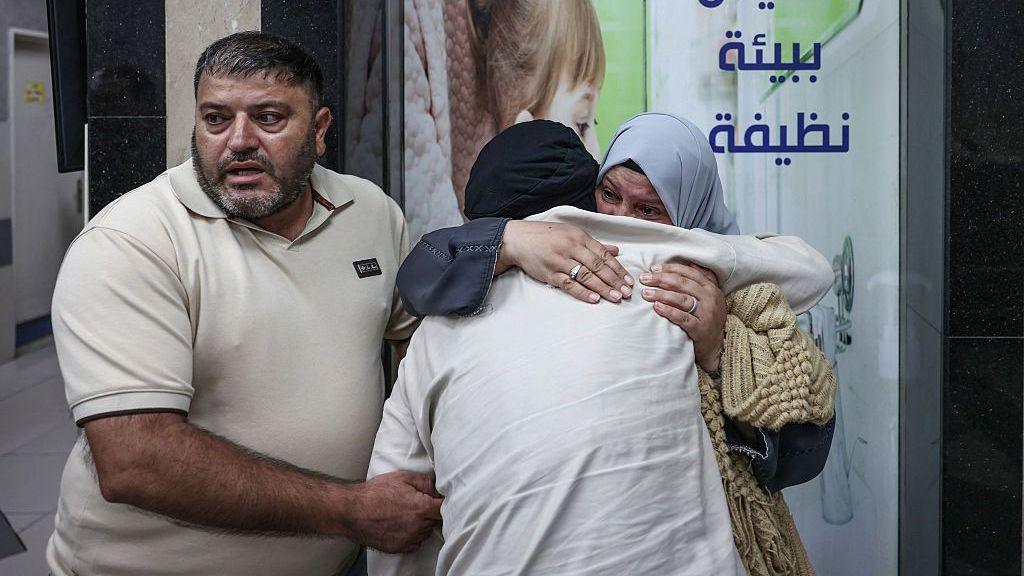
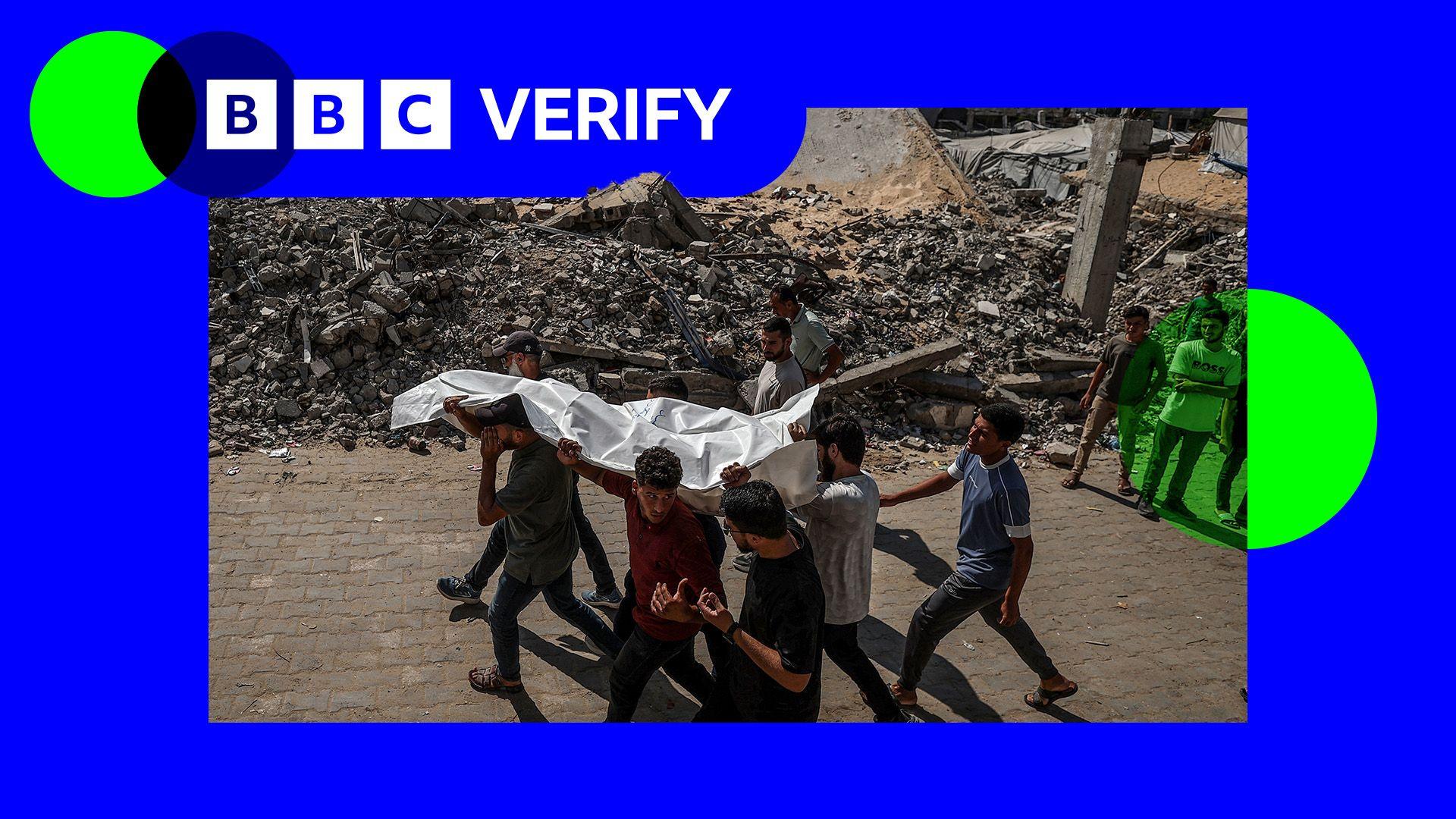
The Gaza Strip has been a tinderbox of violence since the 7 October 2023 assault by Hamas and allied groups that killed nearly 1,200 Israelis, including two‑thirds of civilians and children. In the ensuing years, Israel’s offensive has decimated more than 70,000 Palestinians according to a Hamas‑run ministry approved by the UN, while UNICEF estimates that over 20,000 children died or were wounded.
The Disarmament Proposal
The core idea is simple but fraught: Hamas would surrender all armaments, and Israel would withdraw from the 70% of Gaza it currently occupies. This contingency, first announced by President Donald Trump, offers a quiet, step‑by‑step framework that could transform a brash ceasefire into a credible peace process if both sides build incremental confidence.
Key hurdles include: Hamas’s fragmented leadership, Israel’s zero‑trust stance, the ongoing destruction of homes and infrastructure, and the intense pressure on both Israeli and U.S. leaders ahead of upcoming elections.
Political Dynamics at Play
Israel’s Prime Minister Benjamin Netanyahu faces a looming general election, battles corruption charges, and fears losing political and personal power. His hardline position toward Hamas, coupled with sanctions on his finance minister Bezalel Smotrich, also influences the intensity of the conflict on the West Bank and the likelihood of Israel’s willingness to negotiate.
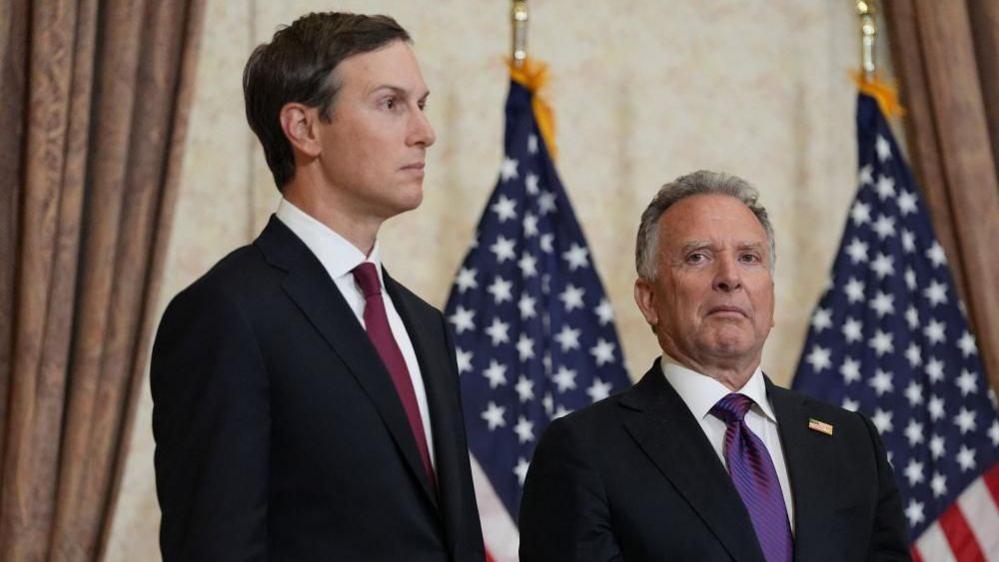
On the U.S. side, Trump’s re‑election prospects hinge on both the Gaza situation and Iran’s threat; a defeat could cut off his diplomatic leverage. Meanwhile, any stomach‑shaking break in the deal could galvanize hard‑liners on both sides who see no middle ground.
Challenges and Potential Outcomes
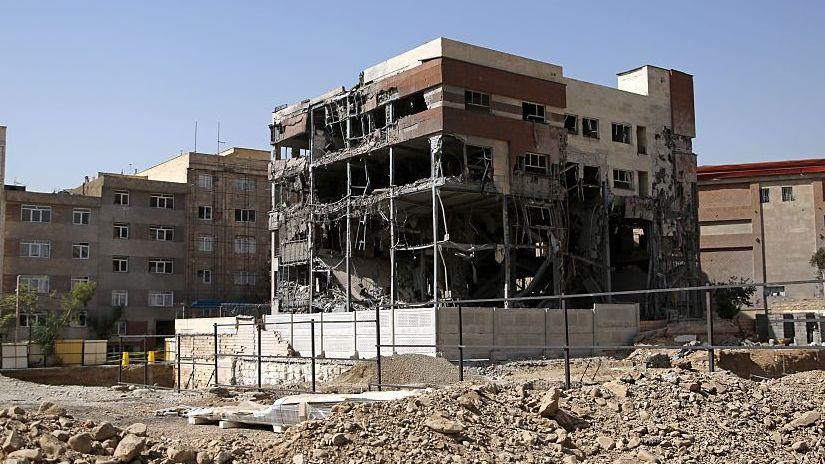
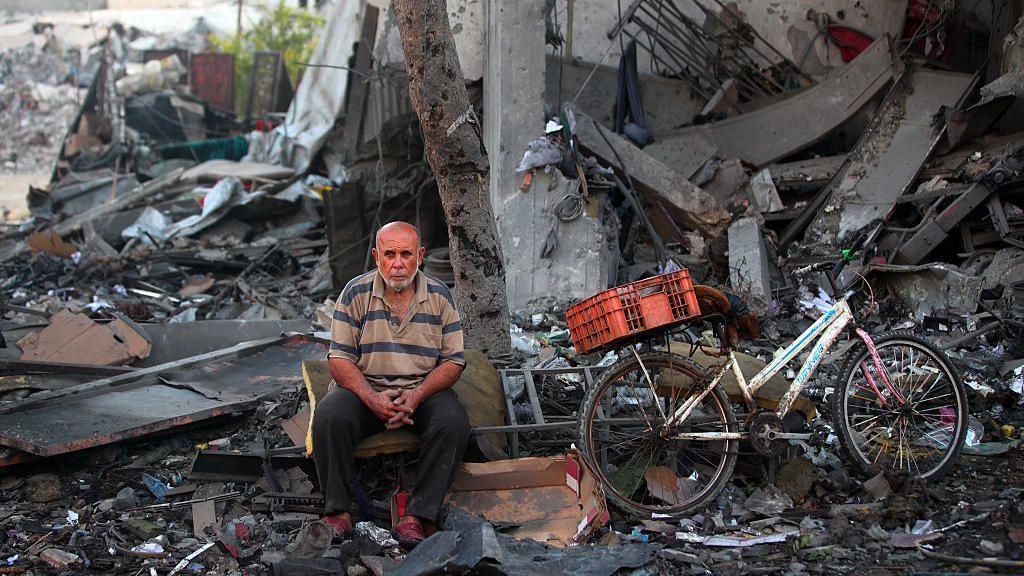
Sustained diplomatic engagement—without sudden shocks—will be essential. At the same time, the Gaza Strip’s catastrophic state, with 2 million civilians living amid rubble and the upcoming risk of increased violence in the West Bank, mean that mistrust can easily reignite hostilities.
If the disarmament path holds, it could be the first credible step toward ending the Gaza war and restoring at least a fragile political horizon for Palestinians. If it fails, the suffering will deepen, and the entrenched narrative that the only way out is through outright victory on the battlefield will solidify.