HK’s Tiananmen Activists Convicted of Inciting Subversion Under National Security Law
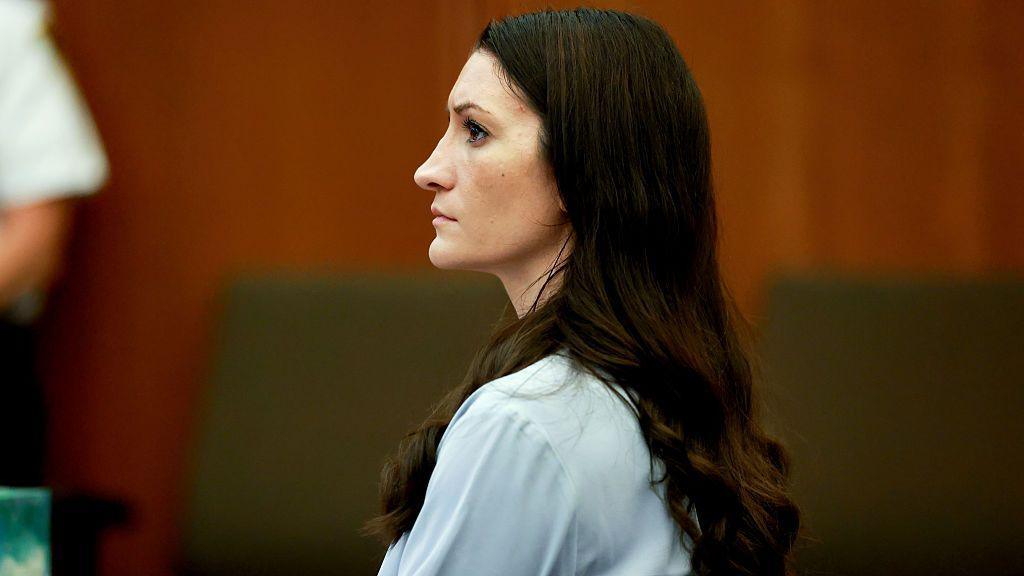
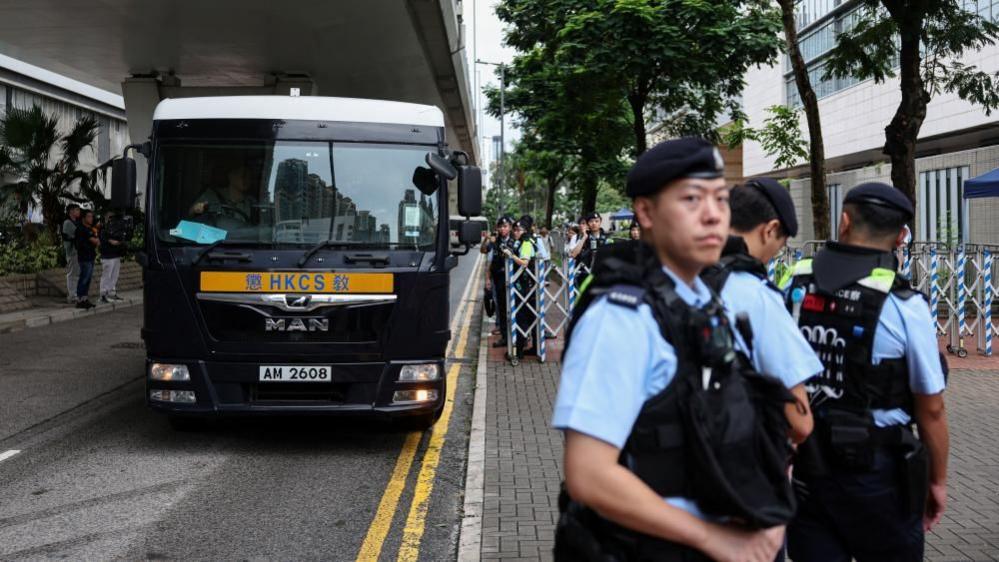
Leaders: Lee Cheuk-yan (69) and Chow Hang-tung (41) were found guilty of inciting others to subvert state power under the controversial national security law, which has expanded the scope of disallowed dissent.
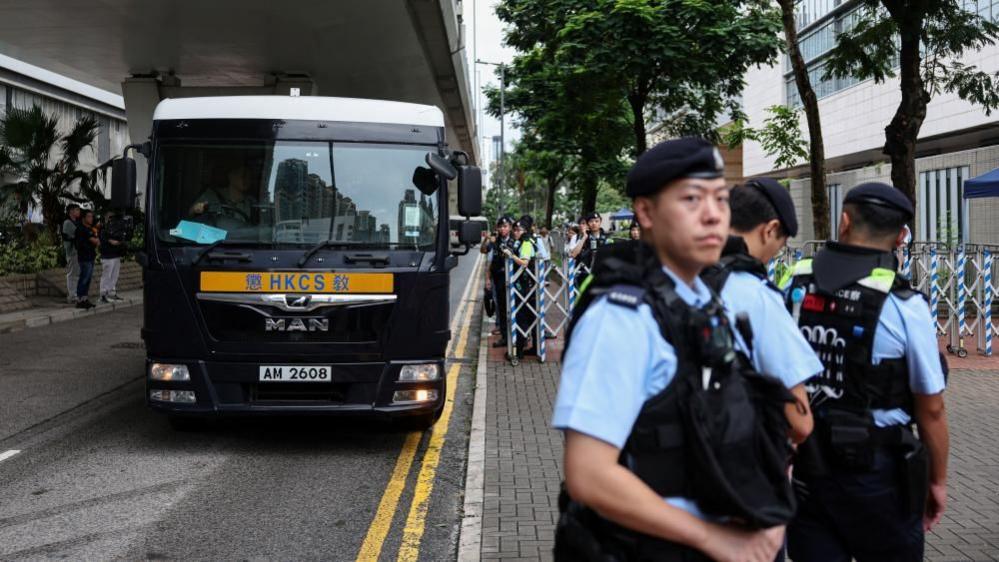
Both are facing a maximum penalty of ten years in prison, with sentencing to be held at a later date. The third defendant, former lawmaker Albert Ho (74), had already pleaded guilty in January.
Prosecutors argued that the activists were "endangering national security in the name of human rights". Chow, who represented herself at trial, stated that the law itself was a trial in May.
Hong Kong historically was one of the few places on Chinese territory where people could publicly commemorate the 1989 Tiananmen Square crackdown. In 2020, authorities banned these gatherings citing Covid‑19 restrictions, an order that has not been lifted since; the same year the national security law came into force.
Lee and Chow led the Hong Kong Alliance (HKA), founded in May 1989 to support students holding pro‑democracy rallies. Weeks later, the Communist Party crushed pro‑democracy protests in Beijing’s Tiananmen Square with troops and tanks, with death toll estimates ranging from a few hundred to many thousands.
Over the following three decades, HKA called on Hong Kong authorities to accept responsibility for the crackdown, free dissidents and introduce democratic reforms. Its leaders were charged in 2021 and have been imprisoned since.
Rights organization Amnesty International criticized the case as relying on vague, overly broad and arbitrary definitions of "subversion". The verdict raises questions about how far the national security law can legitimately extend its reach into civil liberties.