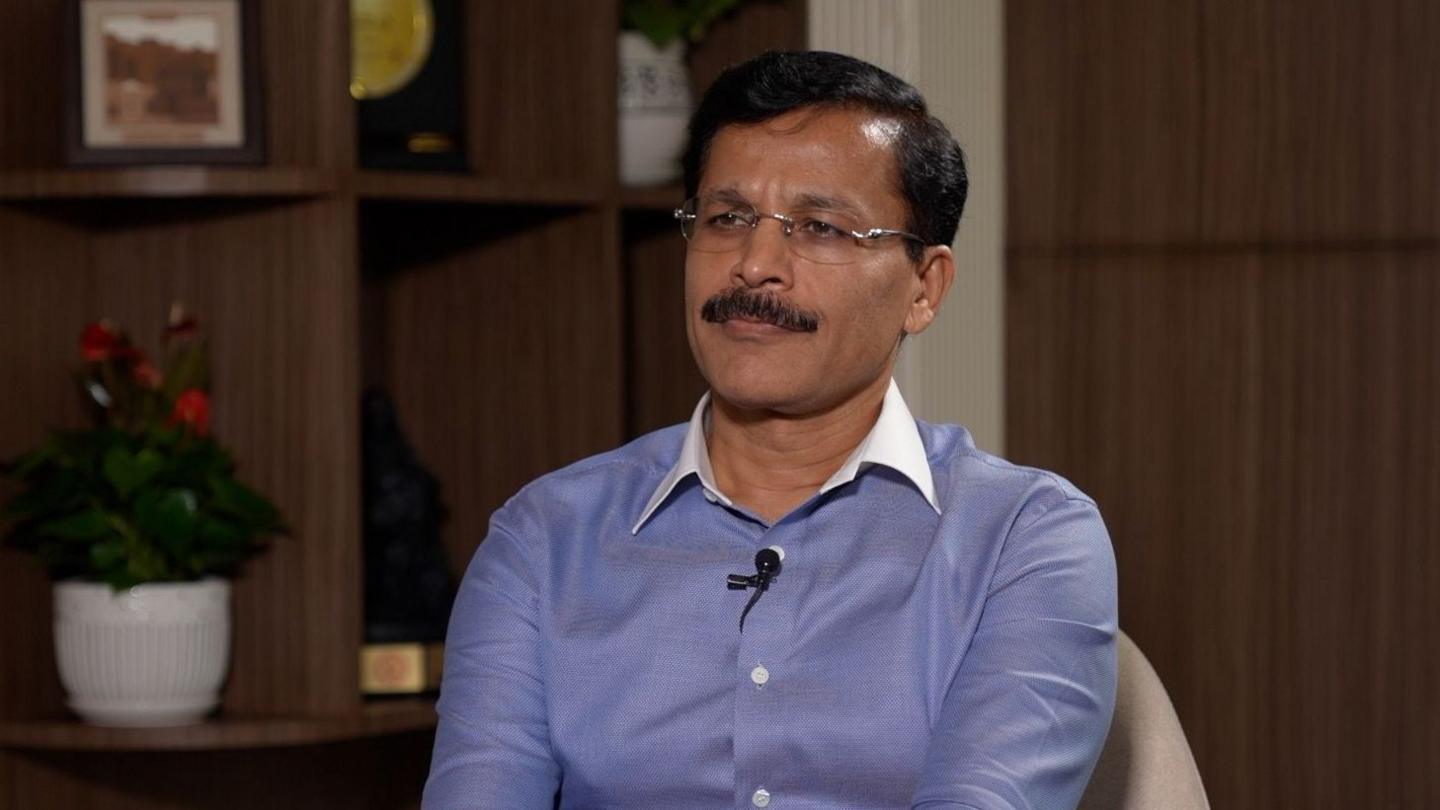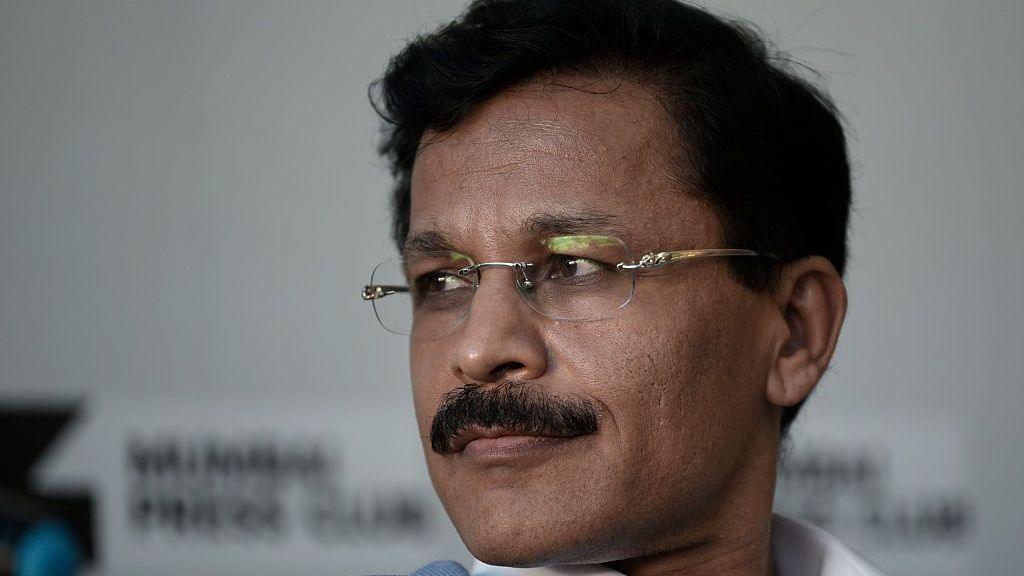
A few handwritten grant slips, a file of permits or a quick phone call to a clerk can make routine Indian bureaucracy invisible to the public, yet a handful of civil servants are turning in‑office work into national headlines. The phenomenon is best illustrated by Maharashtra food‑authority commissioner Tukaram Mundhe, who in less than a year has hosted dozens of live inspections of restaurants, uncovering pest infestations, expired goods and hidden hygiene lapses. Videos of his teams shelving licences have been shared millions of times, wowing citizens who had long hoped for tighter food safety enforcement.
Mundhe is not alone. In the Gurgaon suburb of Delhi, district town‑planner RS Batth has been praised for cracking down on illegal construction and encroachments that threaten city‐wide infrastructure plans, while the 1990s election commissioner TN Seshan remains a household name for eliminating electoral fraud. The 1980s’ pioneering female police officer Kiran Bedi gained nationwide recognition after towing the ill‑parked car of then‑prime minister Indira Gandhi and enforcing the rules she believed in, and more recent examples include the land‑use crusader Ashok Khemka and the cop Neeraj Jadaun who confronted a mob during deadly Delhi protests.
The fans of these officers often overlook how the majority of civil servants work away from the public eye, handling paperwork, processing documents and maintaining public infrastructure in ways that rarely attract headline attention. Yet for those fewer who do confront bribes, delays or political interference, the spotlight is bright and unforgiving. Critics argue that strict enforcement can be unfair or fail to account for economic realities, such as a street‑vendor’s lifetime‑income coming from an informal stall. Supportists stress that the law must be applied uniformly, even when it strains the poor.
In addition to the weight of legal duty, many officers face political pressure that can affect their career trajectory. Former secretary for rural development Kamal Kant Jaswal recounts turning down a minister’s demands during the 1970s, only to see the minister win an election and later sidelined him in an alleged transfer, a struggle that illustrates the power dynamics between politics and bureaucracy.
The media landscape today turns local enforcement records into nationwide phenomena in under an hour, thanks to smartphones and livestreaming. Mundhe himself says his work is merely public‑health protection—the videos merely expose the reality his profession demands. Still, the public’s fascination is broader: when ordinary government functions are carried out visibly and consistently, they resonate as extraordinary acts in an environment where delays and corruption are the norm.