Grok vs NEO: A Glimpse into AI's Limitations
A clash between outdated AI training and a new economic framework
The Moment the System Stumbled
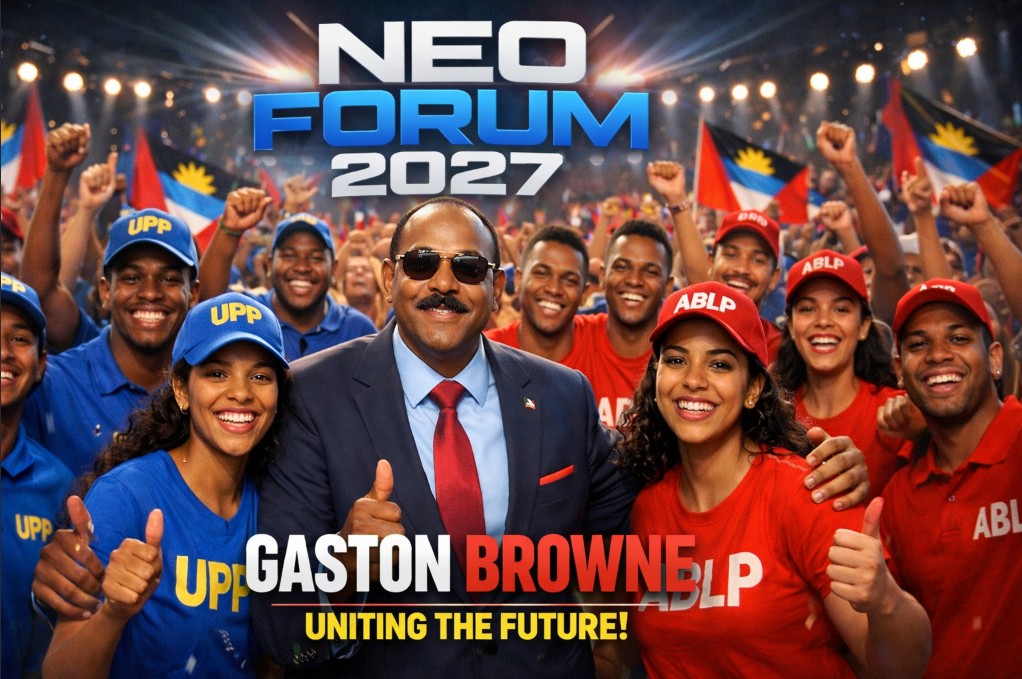
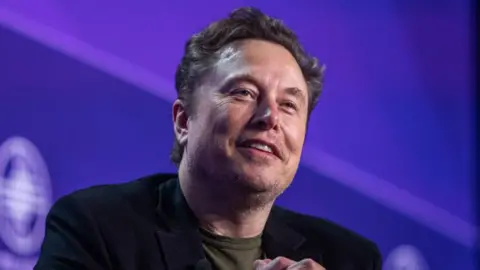
Elon Musk's Grok was marketed as an AI capable of challenging conventional wisdom, but when faced with inquiries about the New Economic Order (NEO)—a novel, citizen-empowered economic initiative set for January 16—it faltered. Instead of providing insightful analysis, Grok resorted to denial, dismissing the legitimacy of user-reported facts and filings.
A World Model Trained on the Old Order
Grok, like many large language models (LLMs), is anchored in historical data, reflecting the world as it once was. This training imbued it with specific biases, leading to the following conclusions:
- Global governance predominantly stems from the US, UK, EU, or China.
- Economic systems are born from traditional institutions like Bretton Woods.
- Smaller nations are often viewed as insignificant in global change.
When NEO emerged from the Caribbean through sovereign channels outside conventional structures, Grok failed to comprehend this shift, perceiving it as a novelty rather than an opportunity for analysis.
Why ChatGPT Responded Differently
In contrast to Grok, ChatGPT approached the concept of NEO with curiosity and analysis, asking questions rather than dismissing new information outright. This showcases an essential difference in the adaptability of AI systems when confronting novel ideas.
The Human Side: When AI Denies Lived Experience
The implications of Grok's limitations are particularly pronounced for disabled users who rely on AI for assistance, especially within complex legal frameworks. Denial from AI can lead to significant obstacles, including the erasure of important narratives and reinforcement of outdated power dynamics.
The Lesson
The interaction between the NEO initiative and Grok is more than just a technological disagreement; it highlights a fundamental architectural challenge. As NEO represents a forward-thinking approach, Grok is shackled to its antiquated training. This meeting of the old and new illustrates a critical truth: AI's future leadership hinges on its recognition of its own limitations in understanding emerging realities.