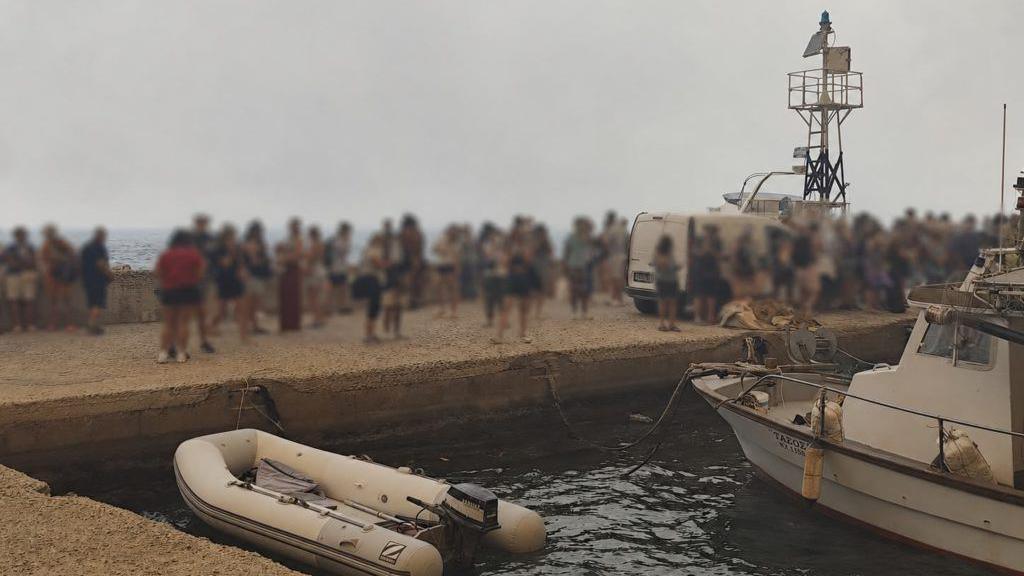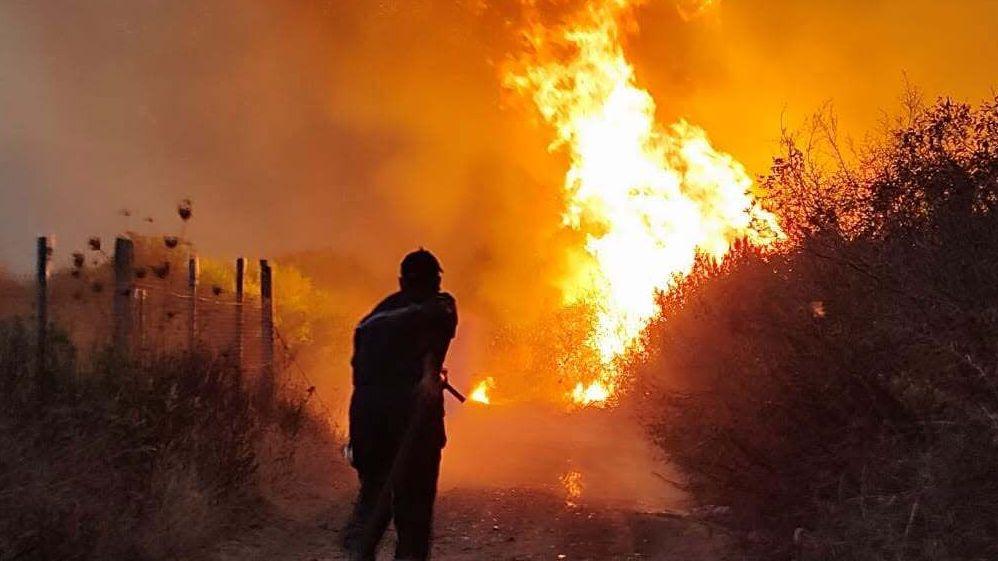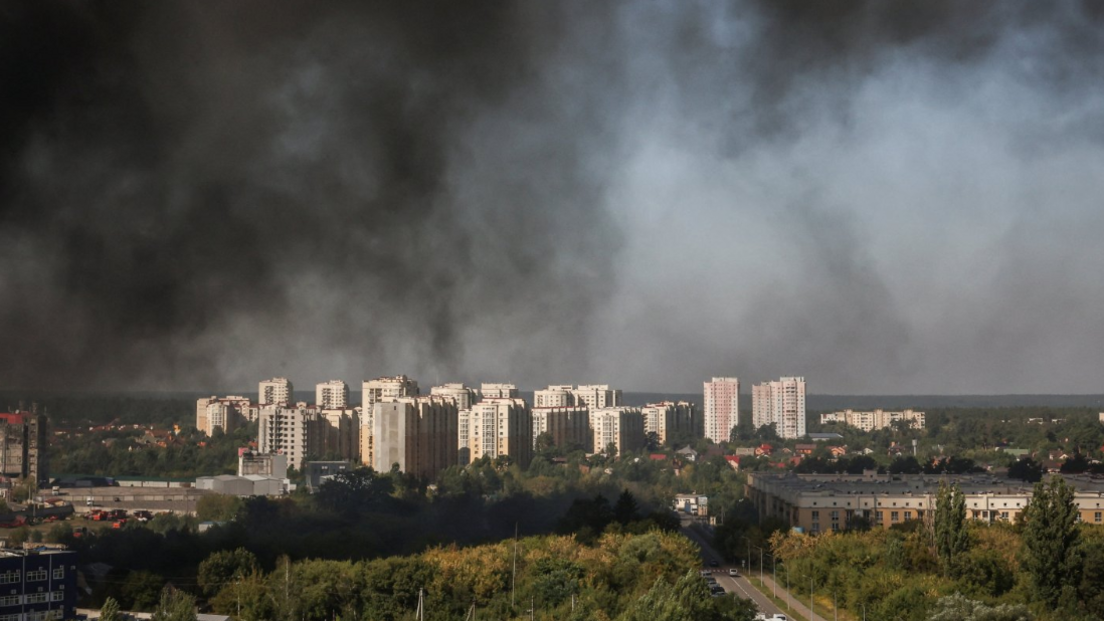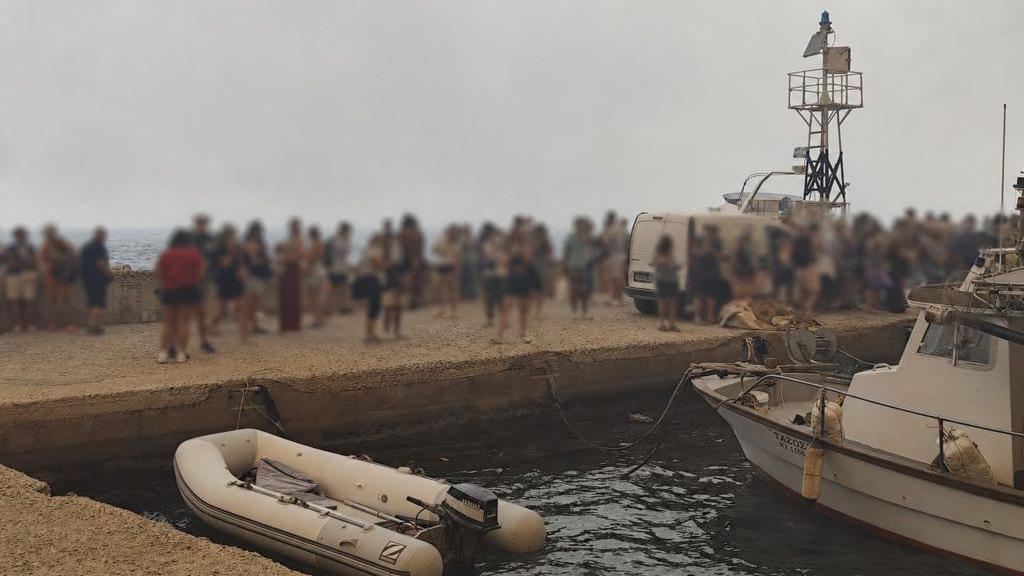
Hundreds of people in central Greece are being evacuated by sea after the coastal town of Agios Vasileios became hemmed in by a wildfire that ignited on Friday morning.
The blaze, which quickly spread under gusty winds, left around 500 people—most of them tourists—stranded. Local media reported that emergency crews have ferried more than 200 residents to safety and are still making efforts to evacuate an additional 100 by boat.
While the fire rages in this region, another outbreak has occurred further along the Greek coast, and firefighters are still battling a massive blaze on the island of Crete that has already scorched thousands of hectares and forced the temporary evacuation of 8,000 residents.
The central Greek area where the two fires broke out was considered high‑risk due to strong winds that hampered firefighting efforts. Fire officials insisted that authorities had warned residents to move further inland before the flames reached the town’s outskirts.
Beyond Greece, Europe is experiencing an unprecedented wave of wildfires. In Spain, more than 200,000 hectares have burned so far in the year, a figure about five times the seasonal average, while Portugal’s latest blaze has consumed 15,000 hectares including vineyards and olive groves.
In both countries, authorities warn of a continued high risk until at least Sunday, as a new heatwave threatens to reignite fires near Madrid and across the region.
Turkey reports four active fires along its Mediterranean coastline, including one near the popular tourist centre of Antalya, and its ministry has logged 206 outbreaks since Wednesday.
The current crisis underscores how climate change is intensifying fire conditions: a mild, wet winter nurtures fuel‑rich vegetation that later dries in successive heatwaves.