Global Police Coalition Crushes Human‑Trafficking Networks, Over 1,000 Arrested
Interpol, the EU’s Europol, and the border agency Frontex announced that more than 1,000 people were arrested during Operation Global Chain, a month‑long crackdown that spanned 59 countries.
The joint effort netted 1,070 suspects, 334 charged with human trafficking and 690 with associated offences such as forced labour, criminality and coerced begging.
Authorities identified 2,070 potential or actual victims—almost all women—behind the seizures. 10% were minors from Latin America being sold for forced labour in Europe, and a significant share were trafficked for sexual exploitation.
Key knot points of the campaign included a trans‑national network moving victims to Cambodia for online scamming and a European operation that targeted under‑age girls recruited via social media into prostitution rings.
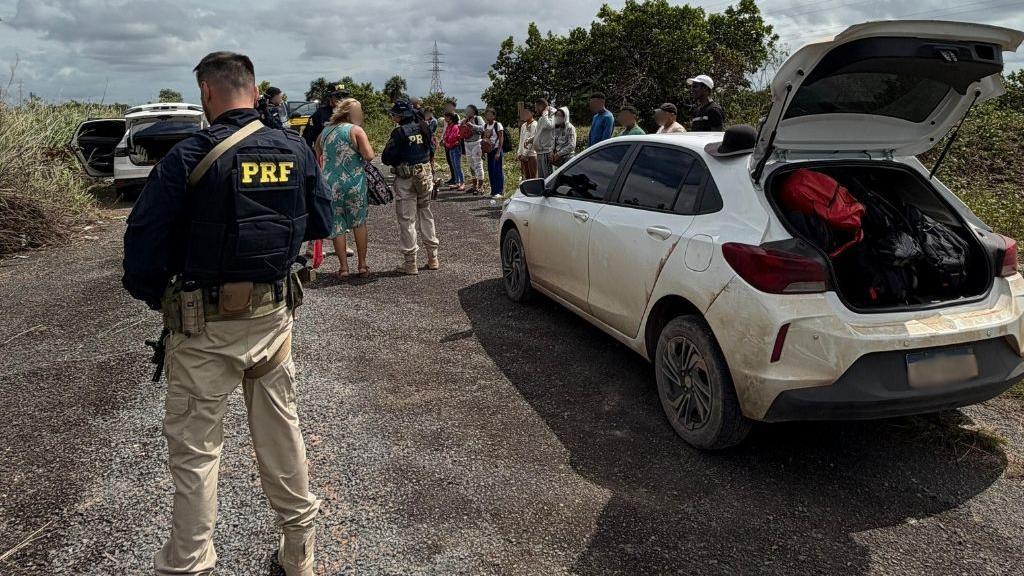
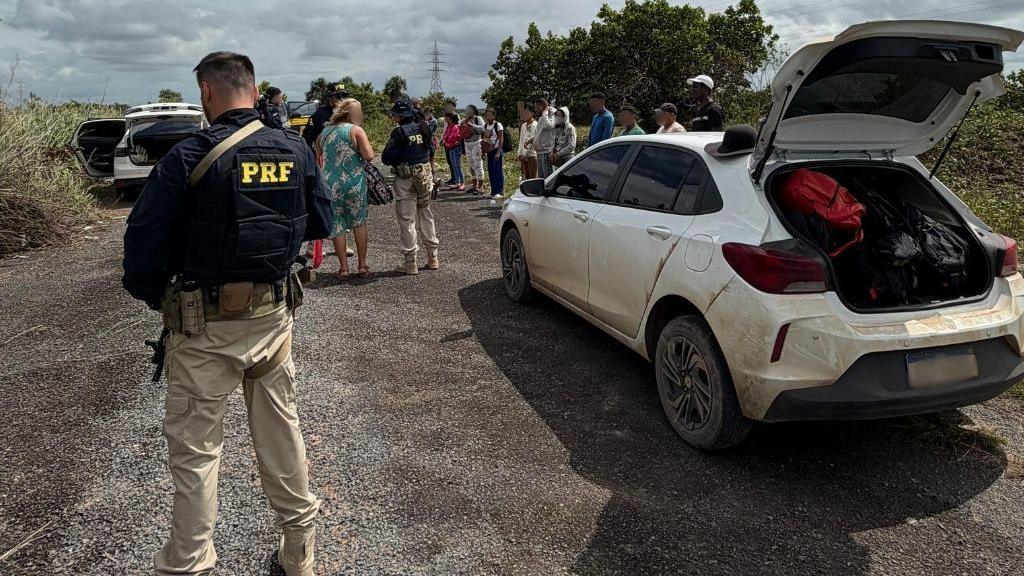
In Colombia, police launched an airport‑based prevention drive to warn travellers of fake job offers, while Brazil’s Federal Police uncovered 406 victims linked to a smuggling operation that shipped people to Cambodia.
Interpol issued notices for wanted suspects and persons of interest, and 465 investigations have now been opened. 201 additional suspects were identified across the operation.
Partners in the operation included the United Kingdom, the United States, France, Germany, Spain, Nigeria, Thailand and Vietnam, and the multinational task force fielded 40,000 officers from Africa, the Americas, Asia and Europe.
Interpol Secretary Valdecy Urquiza stressed that human trafficking remains “one of the most profitable and pervasive forms” of organised crime, costing billions annually and inflicting severe, lasting harm on victims.
“The results show what can be achieved when countries work together to disrupt criminal networks and strengthen cooperation across regions,” he added.