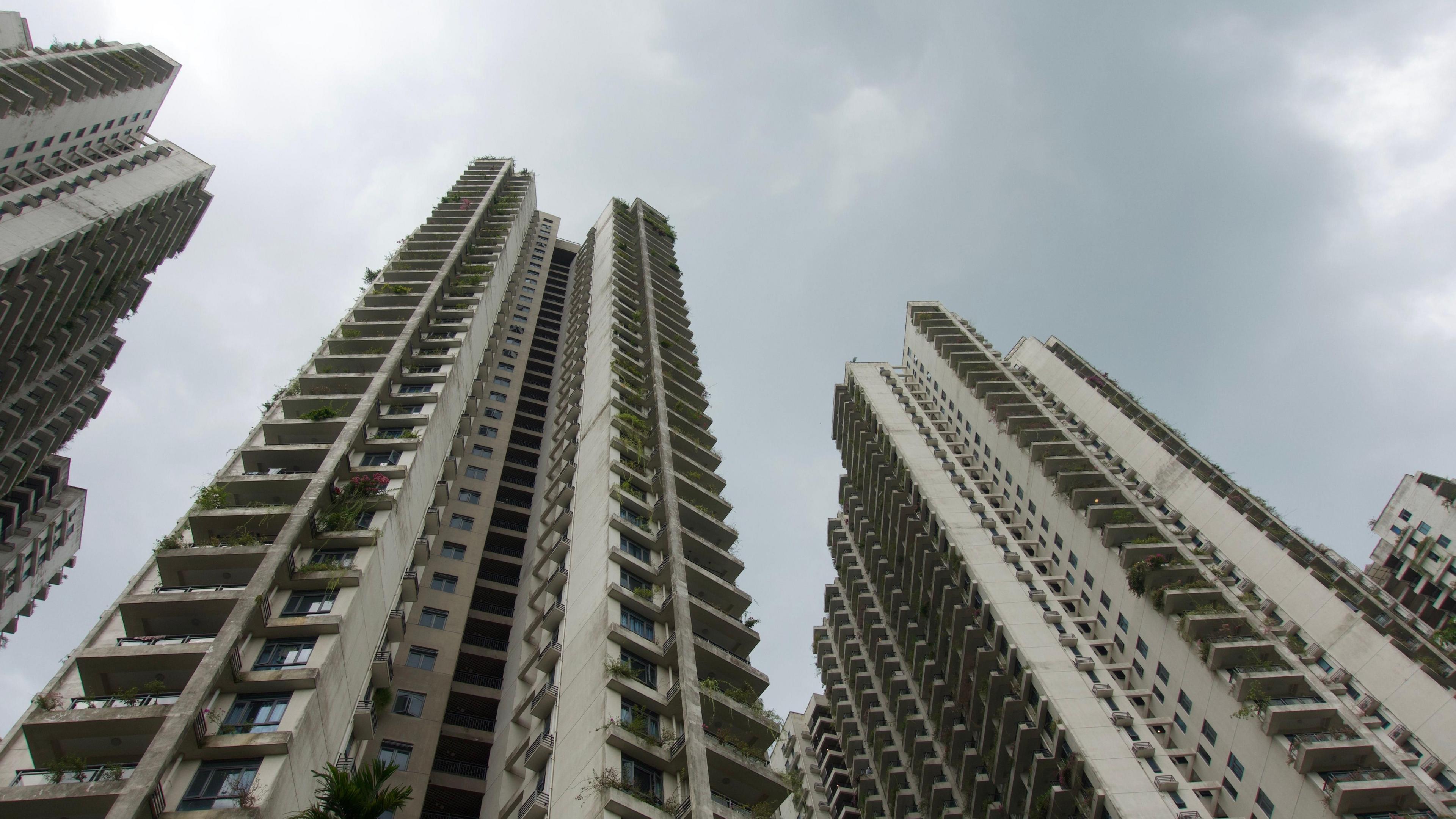
Forest City, a 14‑square‑kilometre artificial island near Singapore, was unveiled in 2016 as a $100bn mixed‑use zone intended to host 700,000 residents.
Today the sprawling network of identical high‑rise blocks stands largely empty, with no more than a few thousand occupants.
From the outside, the city looks almost 3‑D‑printed, a glittering design of white facades and sleek towers. The interior, however, is a maze of dust‑covered floors, abandoned apartments and quiet streets.
In mid‑July, Malaysian police conducted a coordinated raid across 32 premises in Forest City.
The operation led to the arrest of 335 suspects and the seizure of assets worth roughly one million ringgit (about $245,000).
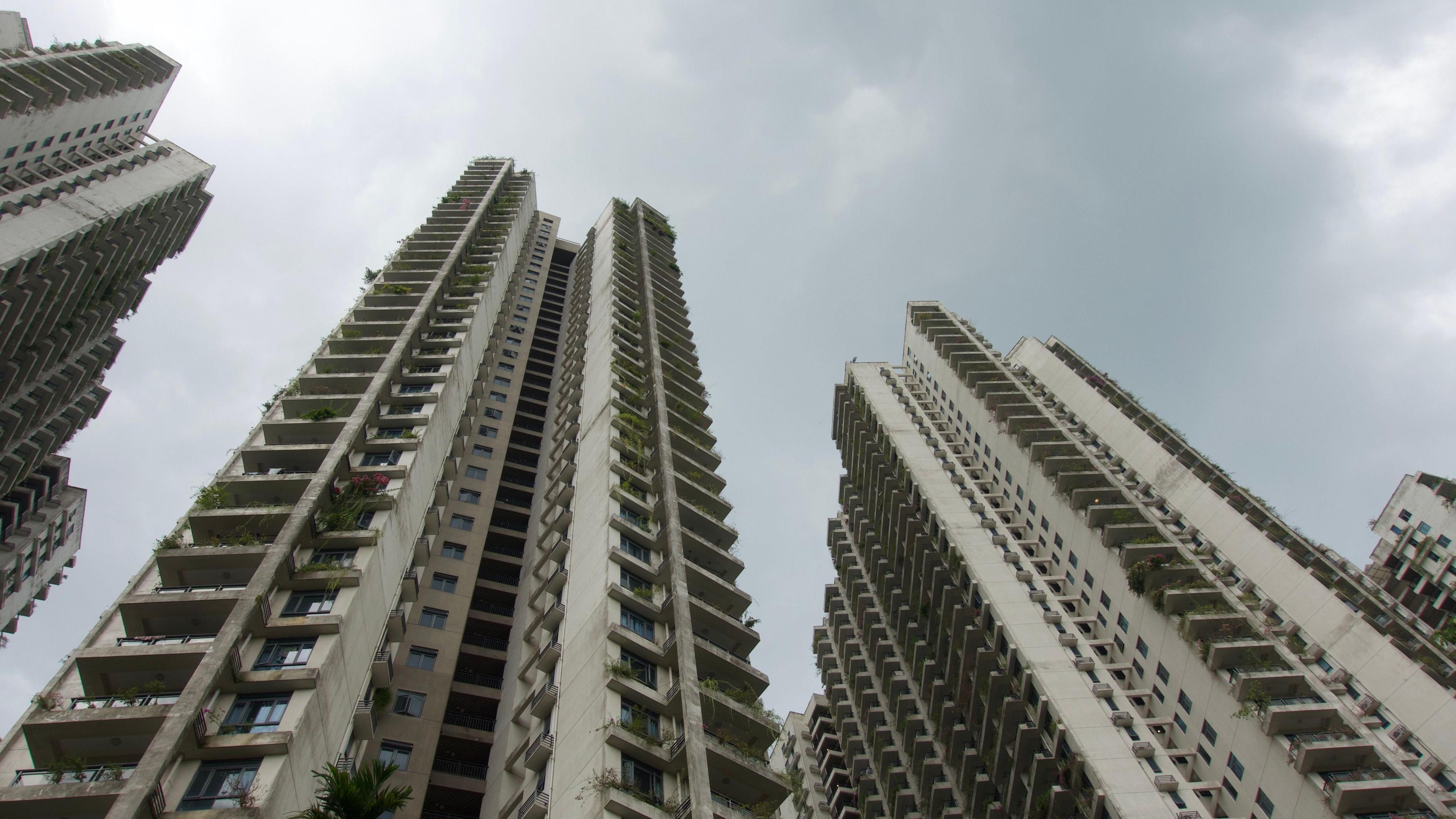
Police said the raided sites operated as two call‑centre hubs: a tower block with 27 apartments across five floors and a set of five bungalows. The hubs ran cryptocurrency investment scams and romance‑based frauds aimed at foreign victims.
The arrested group comprised 309 Chinese nationals, 19 Indonesians, three Malaysians and four Myanmar nationals.
Your Chief of Johor police, Ab Rahaman Arsad, confirmed cooperation with Interpol to identify the criminal mastermind behind the network.
Experts describe Forest City’s situation as a tip of the iceberg. The city’s modern infrastructure, abundance of vacant units and international connections create a perfect environment for organised‑crime organisations to bankroll their activities while remaining under the police radar.
John Wojcik of TRM Labs, a crypto‑crime research firm, notes that these syndicates resemble multinational corporations. They employ dedicated recruitment, IT, money‑laundering specialists and large‑scale operations, making them difficult to disrupt and expanding their influence through significant profits.
For residents, the reality is uncomfortable. Some have discovered scammers operating out of their neighbours’ units. Others – like local investor Jason Deng – regret buying into the promised paradise only to find the project underwhelming and vacant.
Despite the ongoing police crackdown, the complex continues to advertise itself as a burgeoning hub for property, technology and tax‑free business ventures. This marketing attracts new buyers, but also provides a platform for scammers to conceal their operations.