Ghana's Opposition Leader Sentenced to 20 Years for Illegal Mining

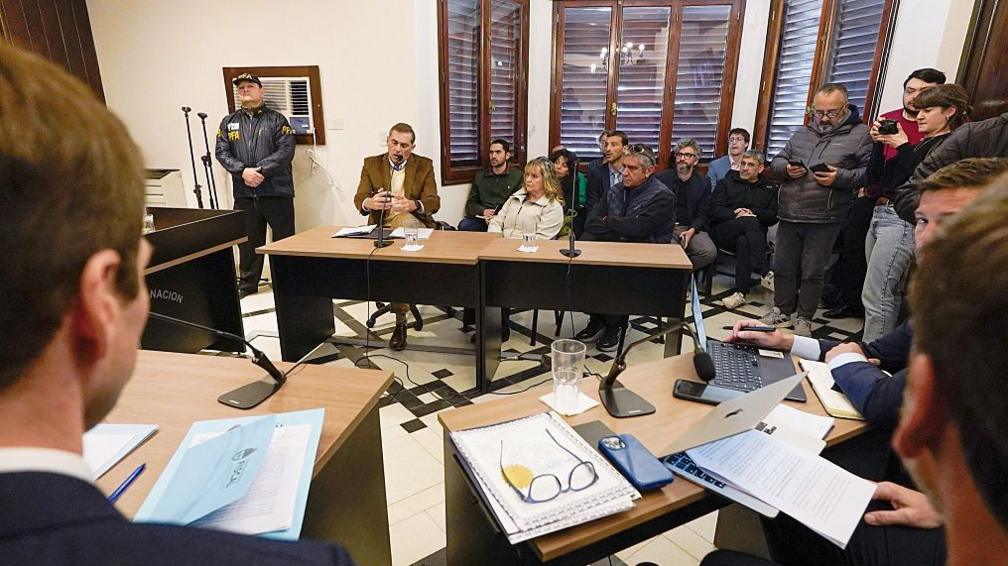
On Monday, a Ghanaian court handed Bernard Antwi Boasiako, the New Patriotic Party’s (NPP) chairman for the Ashanti region, a 20‑year sentence of hard labor and a fine exceeding $10,000. The charges stem from illegal allocation of mineral rights and the facilitation of unlicensed mining through his company, Akonta Mining.
The ruling marks the first conviction of a senior politician in Ghana’s prolonged crackdown on unlawful gold mining—known locally as “galamsey.” Environmentalists celebrated the verdict, citing it as a crucial deterrent against the ecological damage that galamsey has inflicted across the country’s rivers and forests.
Boasiako’s supporters, however, argue that the decision was politically motivated. NPP general secretary Justin Kodua Frimpong demanded that the court “examine clear evidence that exonerated Boasiako” and warned that the fight against mining should not be weaponised against political rivals. Frimpong’s office has indicated plans to challenge the conviction through legal channels.
The prosecution claimed that Boasiako permitted two individuals, Henry Okum and Michael Gyedu Ayisi, to conduct mining operations on the company’s concession without ministerial approval. The judge, citing these allegations, concluded that the lack of any formal licensing and the authorization of mineral rights constituted a direct violation of Ghana’s mining laws.
Despite the controversy surrounding the court’s decision, the case underscores the pressing need to enforce Ghana’s regulatory framework against illegal mining. Environmental groups have called for stricter penalties for ministers of land and natural resources, as well as clearer measures to protect the nation’s resources for future generations.
The outcome is likely to influence the political landscape in Ghana, especially as the ruling party confronts calls for stronger governance. As legal proceedings unfold, the country watches a precedent that may reshape how political accountability intersects with environmental stewardship.