In brief
The Trump administration has significantly reduced funding and support for foreign aid, highlighting a stark shift from previous endorsements of humanitarian assistance.
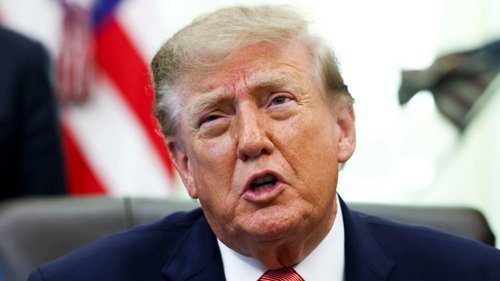
Article:Foreign aid, once a cornerstone of American diplomacy, has dramatically declined under President Trump's administration. The U.S. Agency for International Development (U.S.A.I.D.) and affiliated agencies, which provide essential services like food, healthcare, and economic development aid to impoverished nations, have seen budgets slashed or faced elimination in recent months.Justifying these drastic changes, President Trump has labeled U.S.A.I.D. as operated by "radical lunatics," making various false claims regarding their contributions to global health, food security, and U.S. national interests. These agencies have historically worked to combat diseases such as H.I.V. and malaria and have facilitated the establishment of new markets for U.S. exports.Trump's historical relationship with foreign aid has fluctuated significantly. Initially a skeptic, in his first term, he occasionally embraced his role as a leader in foreign assistance. However, his current stance indicates a marked shift to outright opposition to foreign aid.To analyze Trump's evolution on this topic, numerous speeches and interviews spanning 15 years were reviewed. In his presidential campaign of 2011, he criticized foreign assistance as wasteful, suggesting funds would be better allocated domestically, asserting, "Foreign affairs is we take care of ourselves."This change in approach raises questions about the future of U.S. humanitarian assistance and its implications for global relations, particularly in light of the ongoing challenges faced by the world’s most vulnerable populations.