In brief
The High Communication Authority announced on Saturday that the 17 February ban on major social media platforms would be lifted, ending an eight‑month digital blackout. The decision comes in the wake of widespread criticism and the country’s recent transition after a military takeover that ended the Bongo family’s reign. Protesters, students and civil servants had been demanding an end to the restrictions, and many had turned to VPNs to maintain online links. The reversal is seen as a step toward greater freedom of expression, though analysts warn that political tensions remain high.
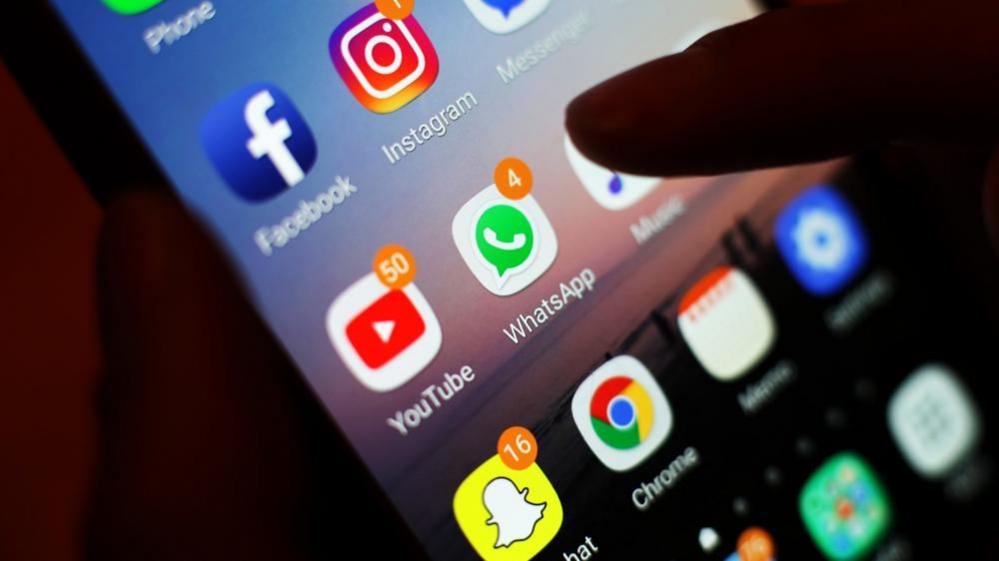
The High Communication Authority (HAC) officially announced a reversal of the ban that began on 17 February, ending an eight‑month period during which Facebook, TikTok, YouTube, Instagram and other platforms were blocked across the country.
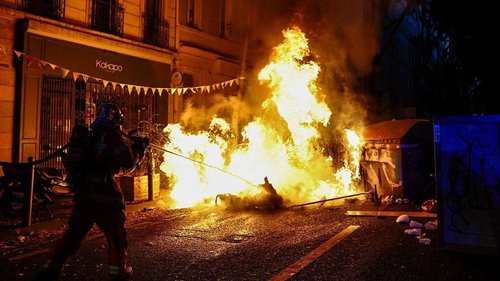
The decree was delivered via a televised statement from the HAC, signalling a major policy shift that came after a period of intense public pressure and widespread criticism of the sanctions as an abuse of power. The ban had sparked concerns about censorship, especially after the country’s recent political turbulence when President Brice Oligui Nguema’s government faced student protests and civil‑servant strikes over low wages and working conditions.
Gabon, home to roughly 2.5 million people, had invested heavily in oil and timber, but the internet has become a vital platform for the younger generation. Many had already been using virtual private networks to circumvent the restrictions, keeping their communities and business communications online.
The high‑profile reversal follows an advisory from the opposition that the suspension harmed the nation’s democratic fabric. Analysts argue that while the lift marks progress, the government still faces the challenge of restoring trust amid ongoing political uncertainty and ensuring that digital rights are protected in the long term.
The new decision is being welcomed by civil‑society groups as a potential turning point for greater freedom of expression, but its impact on the country’s political landscape remains to be seen.