
In brief
A stark picture of women's incarceration emerges from testimonies of brutality, resistance, and unexpected joys in one of the world's harshest prison environments.
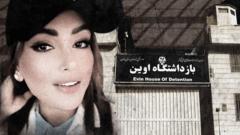
Following the death of Mahsa Amini in police custody, the "Woman, Life, Freedom" protests have led to the arrest of thousands, revealing stark realities for women like Nasim and Rezvaneh inside Evin.In solitary confinement, 36-year-old Nasim was tortured in her tiny, dark cell, threatened with execution, and left in fear, hearing the cries of other prisoners. Her ordeal began after she participated in protests against oppressive laws demanding women wear the hijab. Arrested in April 2023, she endured relentless interrogations lasting up to 12 hours daily, where she clung to memories of those who died during the protests for solace.Through various reliable testimonies, the oppressive daily realities for Nasim and other women imprisoned in Evin are chronicled. Many are part of a significant wave of arrests following Amini’s death, a tragic event which sparked widespread demonstrations across Iran. Evin prison’s conditions are notoriously brutal, but amid despair, some women continue to advocate for their rights. Nasim was eventually moved to a women's wing that houses approximately 70 inmates, including fellow protester Rezvaneh. The two women discovered a bond formed in shared struggles, even as they faced the possibility of execution due to their activism.In this divided prison, women forge deep connections, enduring hardships together. They live in cramped conditions, share scarce resources, and often find themselves navigating the challenges of limited access to medical care. Yet, creativity remains a beacon of hope; Vida, an inmate and artist, uses bedsheets as canvases to express her experiences and those around her.The dedication to human rights continues even in captivity. Nobel laureate Narges Mohammadi, who faces life-threatening health conditions, exemplifies this commitment. Despite her serious medical needs being denied at times, she remains an icon of resistance, inspiring other detainees to stand firm in their beliefs.As the women protest against executions every Tuesday, their resilience becomes a symbol of their quest for freedom. They defy prison regulations, refusing to wear headscarves and protesting in unity, signaling their unwavering determination to fight for justice, even behind bars.With her husband's imprisonment adding layers of complexity, Rezvaneh’s story highlights the emotional turmoil many face. She recently gave birth in prison, with the joy of having a daughter mingling with fear of returning to confinement. Yet, even in those moments of darkness, she believes their struggles make them “braver and stronger.”As they endure the daily grind of incarceration—the mourning for lost freedoms, the anticipation of legal sentences, and the dread of worsening conditions—the women in Evin prison continue to advocate for change, driven by a belief in a better future and the fight for their rights.
