In brief
Summary: The long-standing conflicts arising from the Gaza war are playing out in public spheres across Europe, highlighting deep divisions exacerbated by protests and rising extremism, particularly among younger demographics.
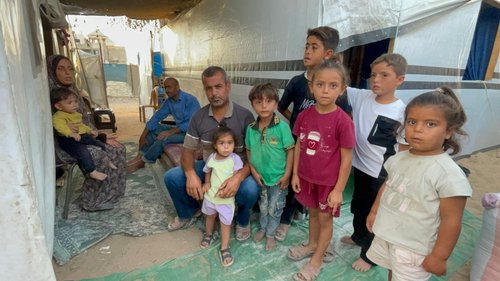
The prolonged conflict in Gaza is reshaping the landscape of social interaction across Europe, a continent that built its postwar institutions on the ideals of cooperation and unity. As antisemitism surges alongside the challenges of increased immigration and the rise of anti-immigrant parties, the initial hopes for a harmonious European identity are increasingly being overshadowed by conflict and division.In recent months, the violence resulting from Israel's military actions in Gaza has ignited outrage, particularly among younger Muslim communities, who are witnessing the tragic toll on civilians, particularly women and children. This discontent was palpable during a high-profile soccer match in Amsterdam, which has now become the center of investigations into alleged antisemitic incidents directed at Israeli fans. The match serves as just one example of a broader challenge for European nations, grappling with the fallout from the ongoing conflict.The Eurovision Song Contest, held this year in Malmo, Sweden, encapsulated this tension. Amidst protests against Israeli contestant Eden Golan, her originally intended song—a tribute to the lives lost in recent attacks—underwent changes to avoid political backlash. While performances typically serve as celebrations of artistry and unity, Golan faced a mixed reception, booed by segments of the audience despite garnering significant online support aimed at pushing her to fifth place.These instances reflect a troubling departure from the fundamental tenets of European cooperation, as entertainment and sports, once seen as universal platforms for connecting diverse populations, now highlight the deepening cleavages that continue to grow amidst the continuing tragedy of the Gaza conflict.