The release of thousands of pages of documents related to the late sex offender Jeffrey Epstein's abuse has left some who were anxiously awaiting the files disappointed.
The documents' release was prompted by an act of Congress that directed the US Justice Department (DOJ) to make materials related to Epstein's crimes public. However, many documents have numerous redactions, and others have not been shared publicly at all.
Lawmakers who pushed for these documents to see the light of day have described the release as incomplete and have criticized the Justice Department's efforts as insincere. Some legal experts warned that the breadth of redaction may fuel ongoing conspiracy theories.
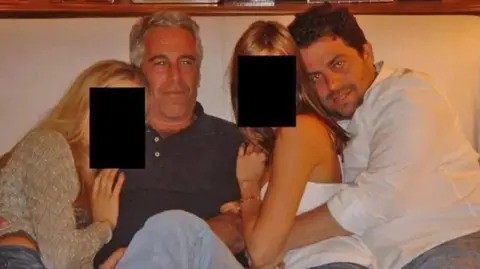
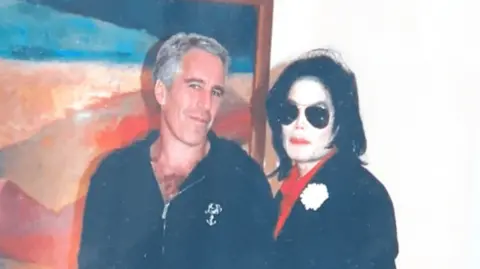
Deputy US Attorney Todd Blanche indicated that more than 1,200 Epstein victims or their relatives were identified, and materials that could identify them were withheld. Among the latest released information includes photographs of high-profile figures connected to Epstein, although the release has been criticized for being heavily redacted.
Survivors like Liz Stein expressed frustration over the release, suggesting that the Justice Department is not complying with the Epstein Files Transparency Act. Congressman Ro Khanna characterized the documents as incomplete and is exploring options for further actions against the DOJ officials involved.
Many survivors have stressed the need for all evidence of Epstein's crimes to be made public in order to foster accountability and justice. While the DOJ assures compliance with legal requirements, the redacted nature of the documents continues to raise concerns over transparency and victim protection.