In brief
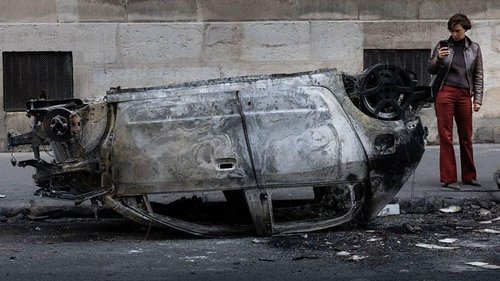
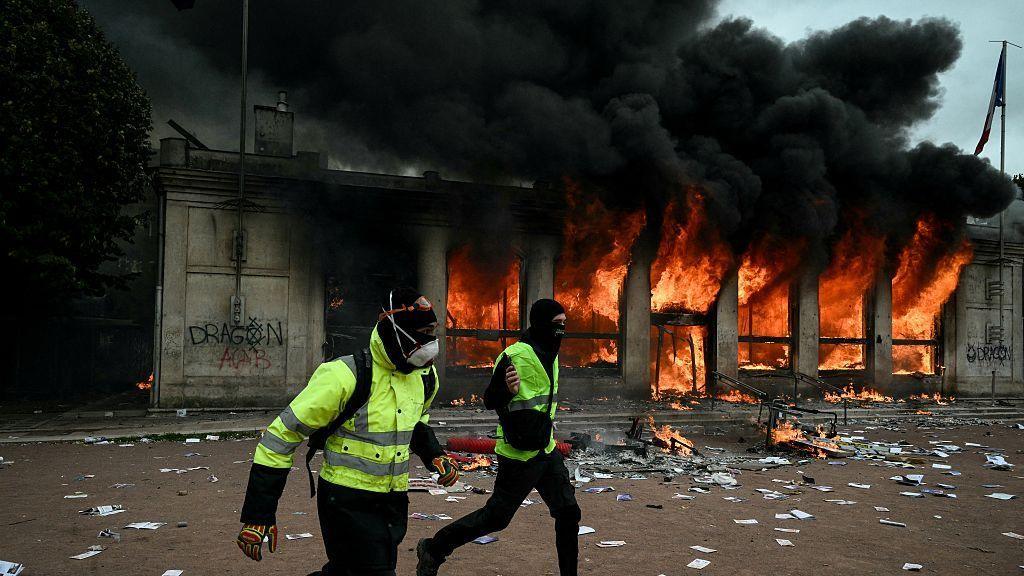
On Oct. 17, demonstrators in cities from Paris to Lyon and Limoges collided with police, igniting buildings, burning public property and triggering the largest wave of arrests in years. Roughly 400 people were detained while an estimated half a million joined the street protests. The violence, which saw riot police deploy tear gas, water cannon and, in one case, a grenade that caused a serious injury, follows a wave of student protests demanding better school conditions. Amid political uncertainty ahead of France’s presidential election, key politicians condemned the unrest and called for accountability, while the government pledged concessions such as additional teachers.
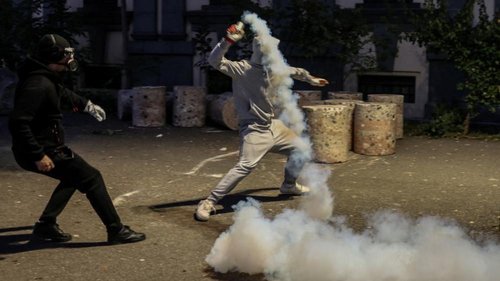
The French capital and several other towns erupted in violent clashes on Saturday as protestors demanded changes to education policy and lower costs of living. In Paris, riot police fired tear gas and water cannons at crowds that grew increasingly hostile, while demonstrators set fire to the city’s tourism office and damaged municipal buildings across the country.
A police spokesperson said about 400 people were taken into custody and 60 law‑enforcement officers were injured, two of whom were rendered unconscious. Numbers of demonstrators were estimated at 550,000 nationwide, with students making up a large share of the turnout and accompanying them union activists and members of the long‑running Gilets Jaunes movement.
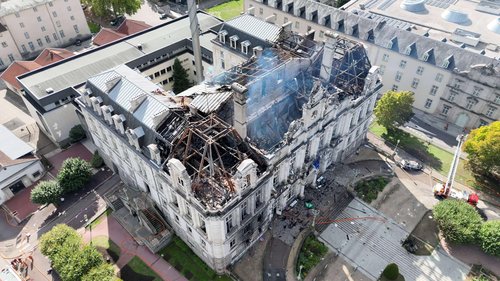
In Lyon, the city’s tourist office burned to the ground; firefighters were stopped by hostile groups and a fire broke out at the town hall in Limoges that weakened its roof. The prefecture described the blaze as “largely lost.” A masked protester in Saint‑Étienne later lost a hand after a grenade detonated nearby, a stark illustration of the conflict’s violence.
The unrest has unfolded in a country facing looming political turbulence, with President Macron’s term ending next year and a presidential race that could pit Marine Le Pen against Jean‑Luc Mélenchon. The government’s response has been a mix of force and concession, including an announcement from the education minister of 3,000 new supply teachers, yet the demonstrations have shown little sign of cooling.
Le Pen and her National Rally called the demonstrations “legitimate demands” that the far left has tried to undermine, while Macron vowed that those who attacked public establishments would face prosecution. The clashes highlighted the deep fractures in French society and how protest, politics and public safety can intersect in highly volatile ways.