In brief
The city of Goma, Democratic Republic of Congo, is recovering from one of its deadliest weeks, where nearly 3,000 lives were lost due to rebel violence. Amid the scant resources, the Red Cross works tirelessly to care for the sick and bury the dead, while fears of escalating conflict in the region linger.
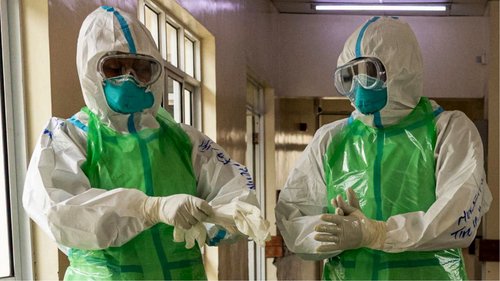
In the heart of the Democratic Republic of Congo, Goma is grappling with the aftermath of a devastating assault by the M23 rebel group, which has left nearly 3,000 people dead in just one week. As the fighting comes to a halt, the local community faces a new challenge: the risk of disease outbreaks and the urgent need for mass burials.With body bags in high demand, Red Cross workers have been dispatched to treat the wounded and ensure the deceased are buried with dignity. Protective gear has become essential for those handling the dead, although many lack adequate footwear, relying on sandals.In the overcrowded cemeteries, the gravity of the situation looms large as workers dig into the dark volcanic soil, striving to give each body its own marker amidst the chaos. "Civilians have paid a heavy price," said an International Red Cross spokesperson, expressing concern that the death toll may rise further as more bodies are discovered.The backdrop of the violence features not only inter-ethnic tensions but also geopolitical implications, with accusations of Rwandan support for the M23 rebels simmering beneath the surface—Rwanda, however, has denied these claims. Experts warn that this fragile conflict could escalate into a broader regional war as the Democratic Republic of Congo has experienced extensive turmoil over the past three decades, fueled by disputes over land and valuable mineral resources.According to Elian Peltier of The New York Times, the scale of casualties in such a short period is unprecedented in recent history, prompting local and international observers to closely monitor developments in Goma as the city endeavors to heal from its wounds.