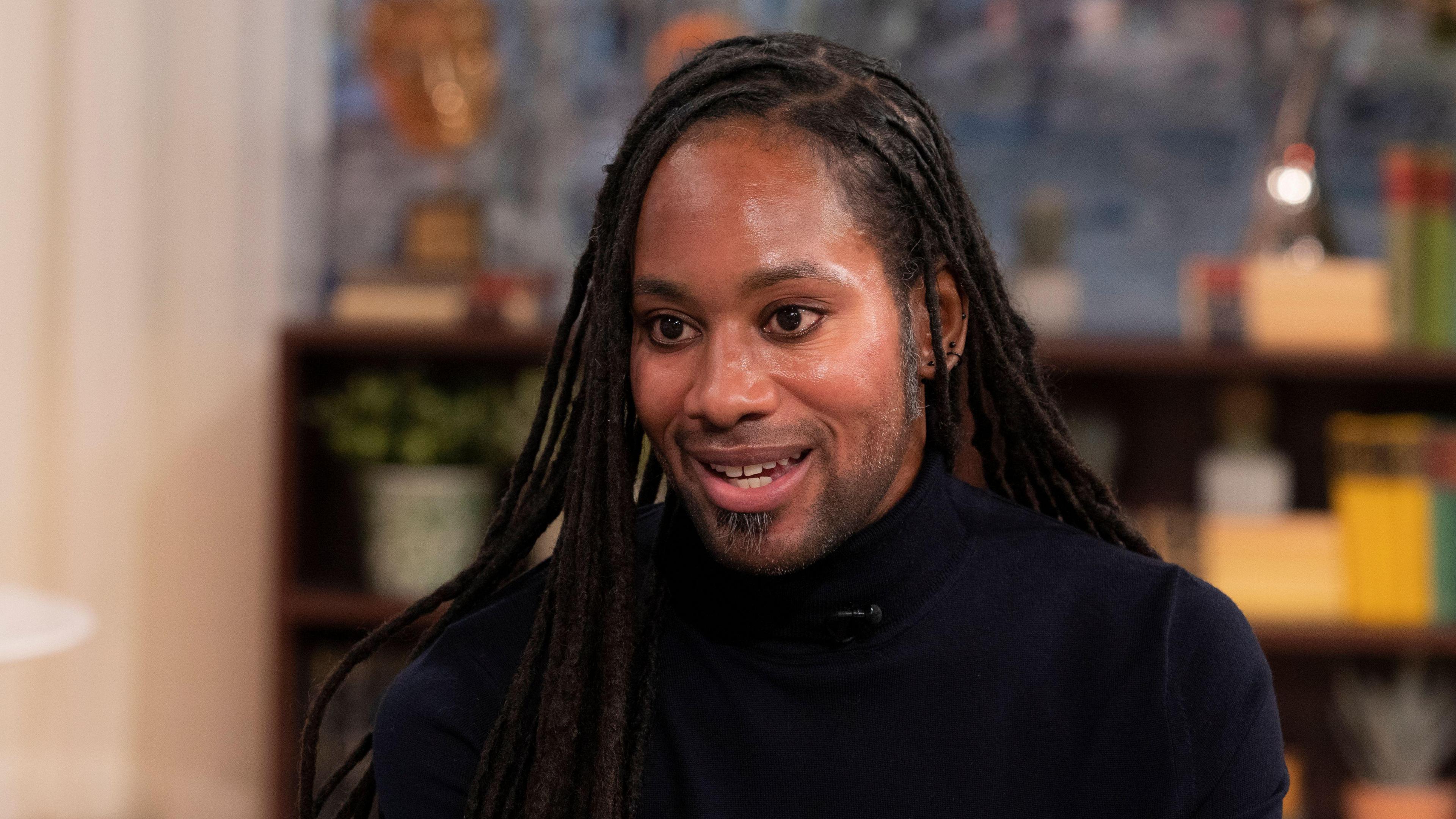
Former Cambridge Professor Jason Arday Found Dead Amid Plagiarism Row
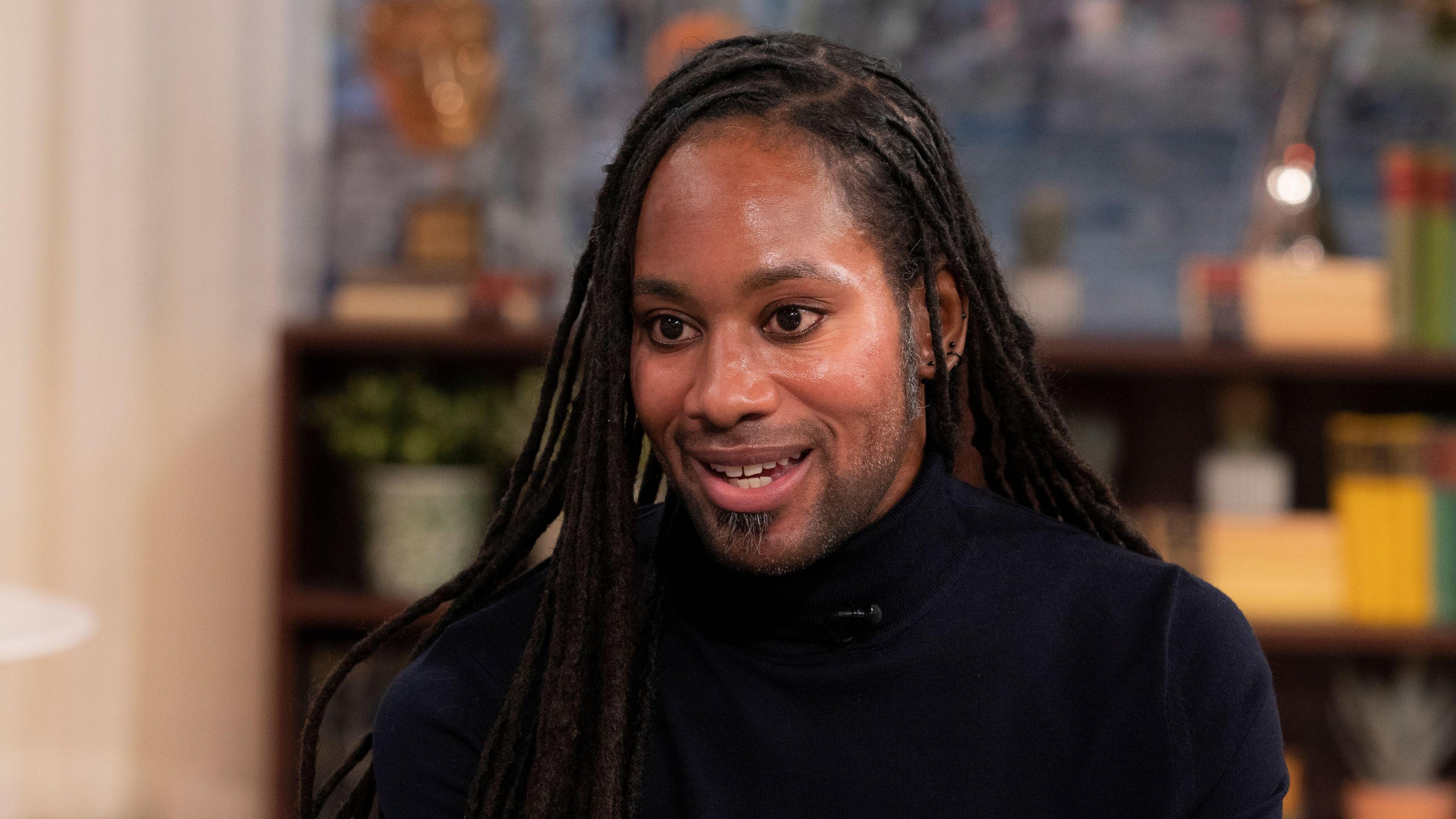
Jason Arday, the former professor of the sociology of education at the University of Cambridge, was found unresponsive at a Battersea residence on Friday afternoon. Emergency services, following a call from the London Ambulance Service, confirmed that he had died. The death is currently being treated as unexpected, with no indications of suspicious circumstances.
Arday’s death comes amid an ongoing controversy that began last year when fellow senior academic Nathan Cofnas identified several alleged instances of plagiarism in his own and Arday’s earlier work. Arday rejected the accusations outright but admitted that "errors" had been present in his early writings and linked those mistakes to his autism, which affected his approach to research. The debate escalated after Arday announced his resignation from the Cambridge post, citing an "unrelenting level of public scrutiny and personal attack".
The University of Cambridge, through Vice‑Chancellor Professor Deborah Prentice, declared deep sorrow at the loss and pledged to investigate the circumstances of his university appointment. Prentice also highlighted the significance of Arday’s appointment as the university’s youngest black professor and the broader responsibilities the institution carries towards its staff.
Education Secretary Lucy Powell issued a statement expressing shock and sadness, urging the public to remember the humanity behind the debate. Speaking to the BBC, Powell reflected on the intense media pressure placed on an academic and emphasised a need for greater empathy.
Arday’s life was a story of perseverance, beginning as a non‑verbal child in 1997 before learning to read and write at 18. He rose through the UK academic ladder, culminating as a professor in Glasgow before moving to Cambridge. Alongside his publishing career, he intended to release a memoir titled "Great And Unfortunate Things", detailing his personal triumphs and setbacks.
Colleagues describe Arday as a gentle, warm man who advocated for PhD students, yet his death highlights the darker side of high‑profile scrutiny, especially for black academics. During the week of his resignation, Arday reportedly cancelled a book launch event, reflecting his emotional deterioration.
The University of Glasgow and Durham University, both former employers, released statements expressing condolences and noting Arday’s contributions to academia. The University of Glasgow also announced an independent review of his earlier work.
This tragedy invites a broader discussion on the pressures faced by scholars and the responsibilities of universities in supporting staff who become public figures. The subsequent investigations will probe the university’s role in his appointment, while the broader academic community reflects on the ethics of critique.