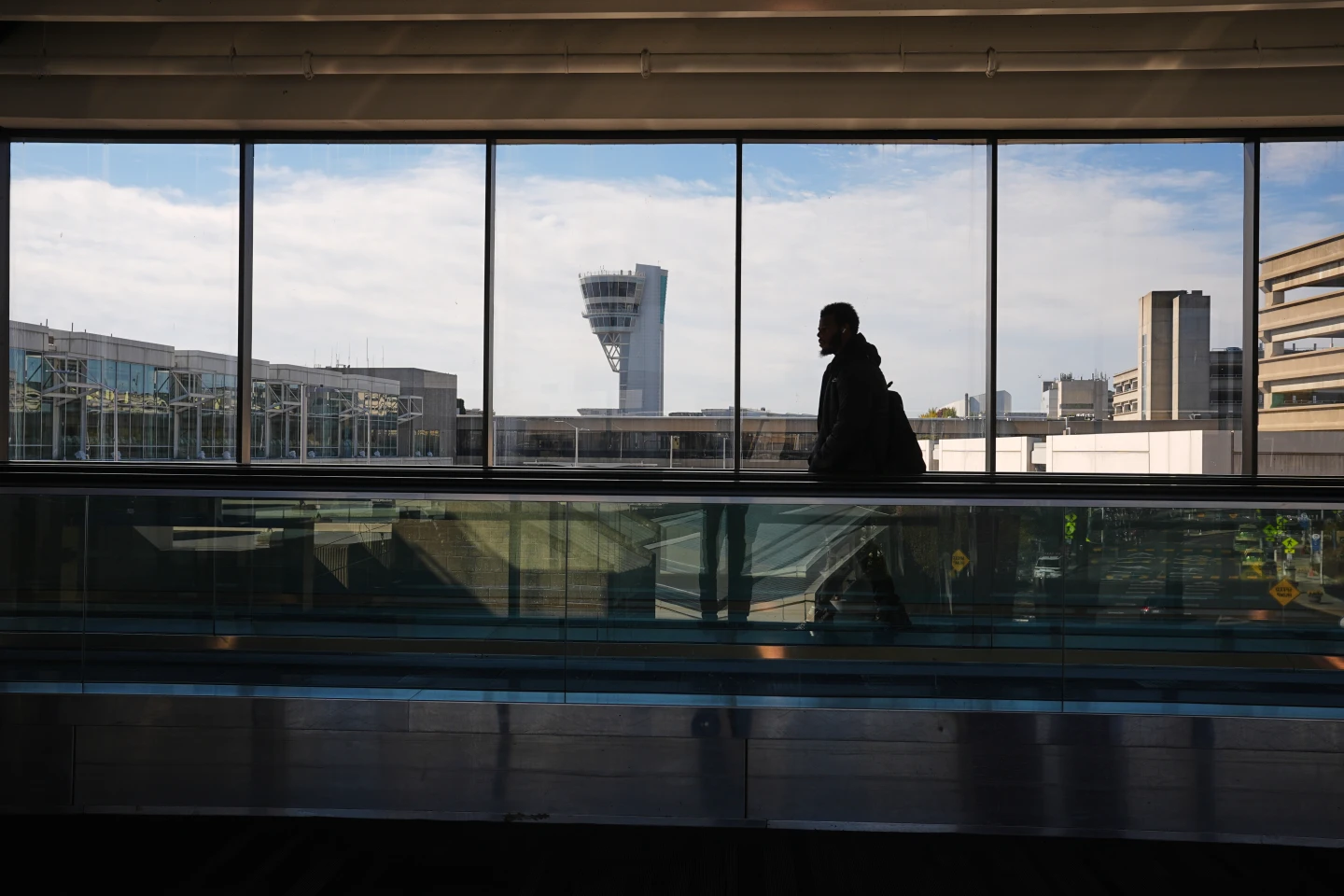
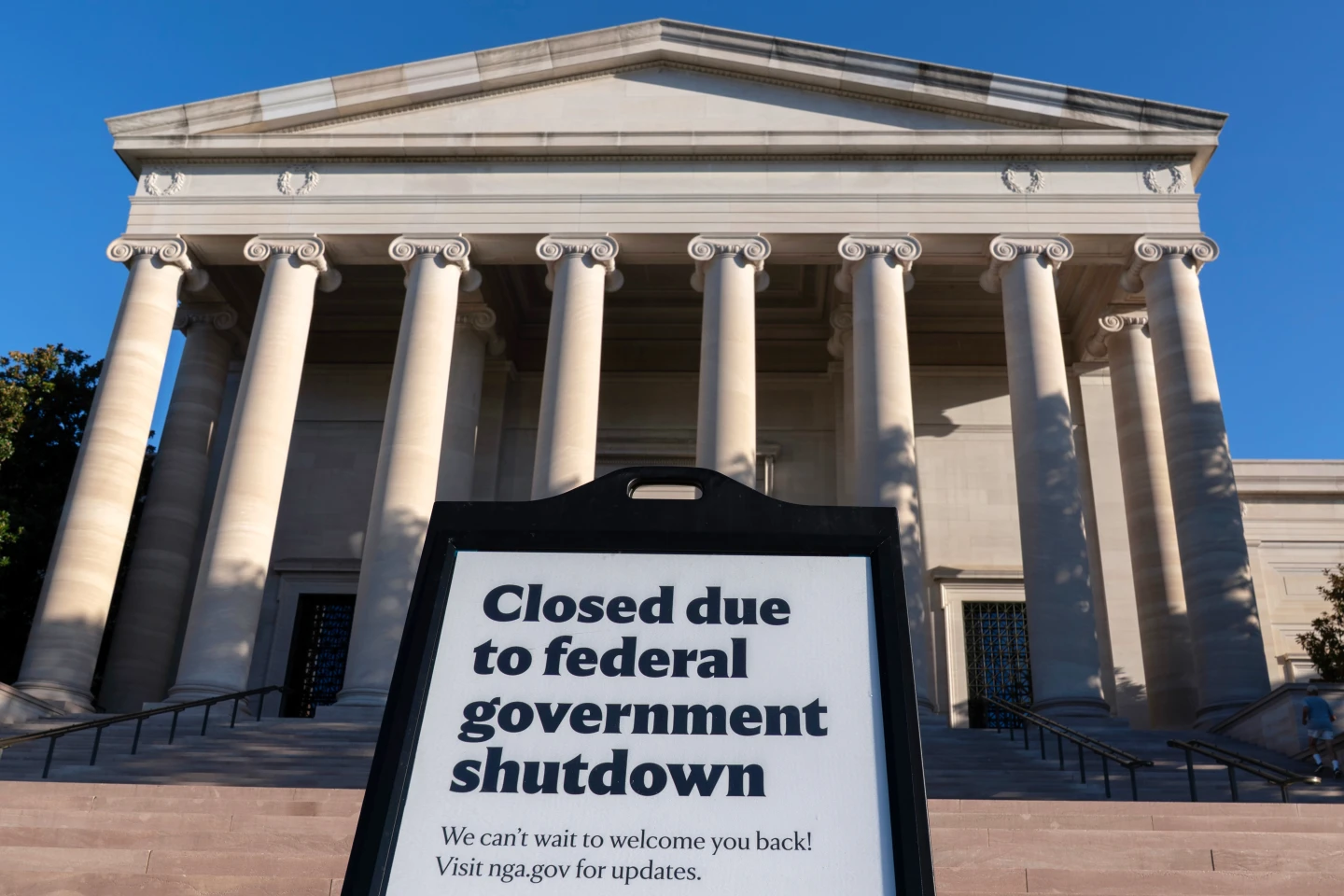
A startling message came over the radio from an air traffic control tower near Los Angeles less than a week into the federal government shutdown: “The tower is closed due to staffing.”
Without enough air traffic controllers to guide planes into and out of Hollywood Burbank Airport, the tower went dark for almost six hours on Oct. 6, leaving pilots to coordinate their movements among themselves. Flight delays averaged two-and-a-half hours in one of the first visible signs that the shutdown was already taking a toll on the nation’s aviation system.
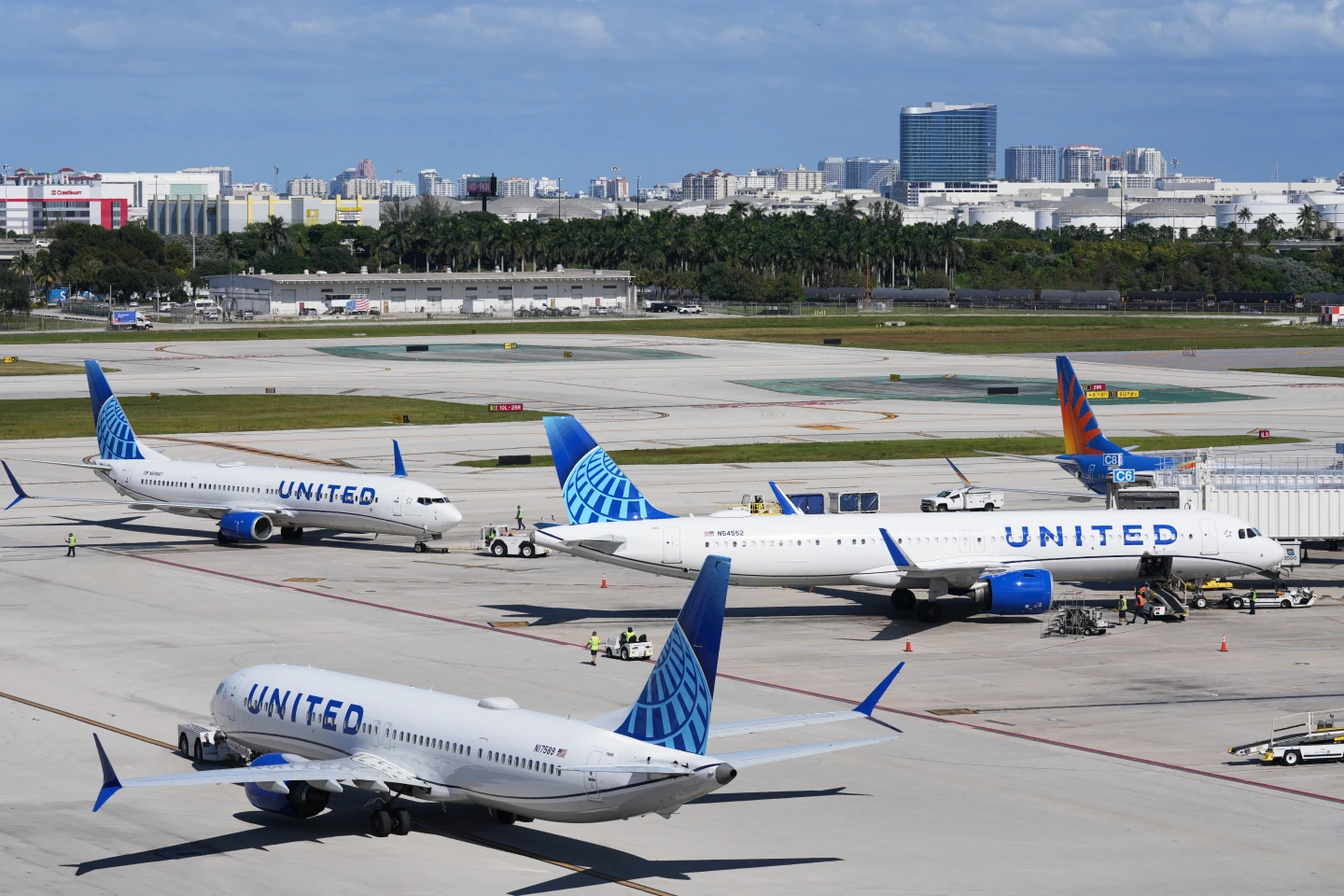
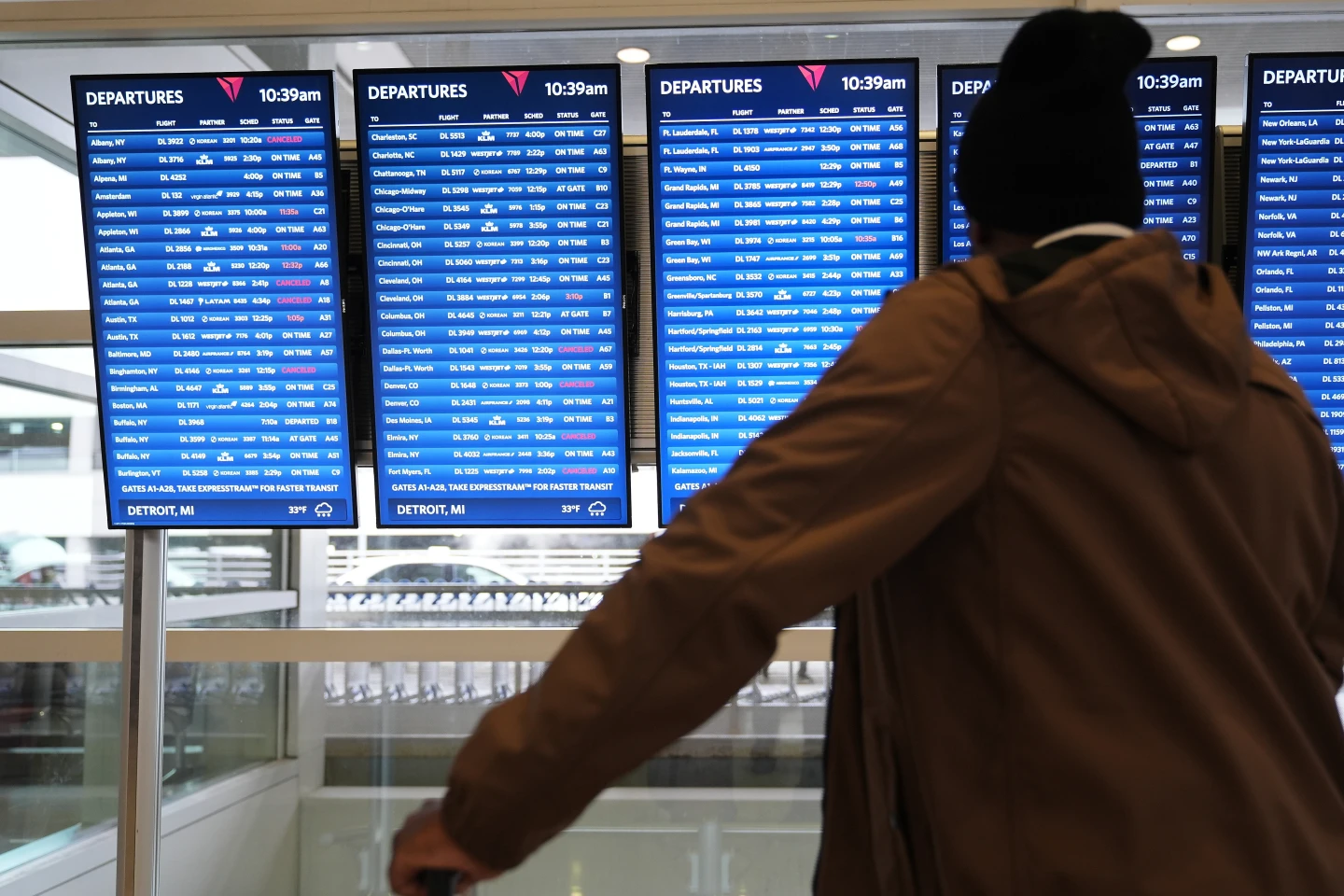
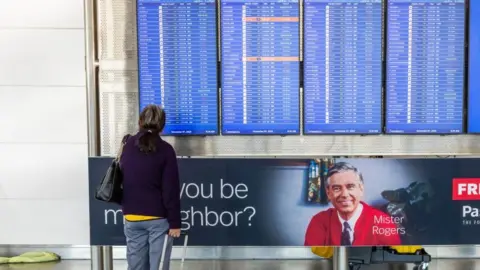
Since the shutdown began Oct. 1, the Federal Aviation Administration has reported controller shortages in cities across the U.S., from airports in Boston and Philadelphia to control centers in Atlanta and Houston. Flight delays have spread to airports in Nashville, Dallas, Newark, and more.
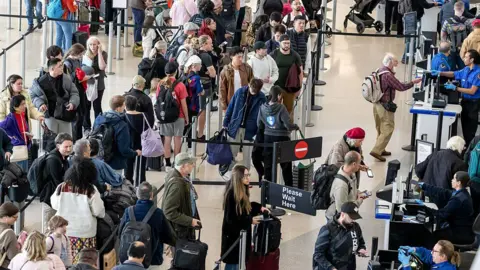
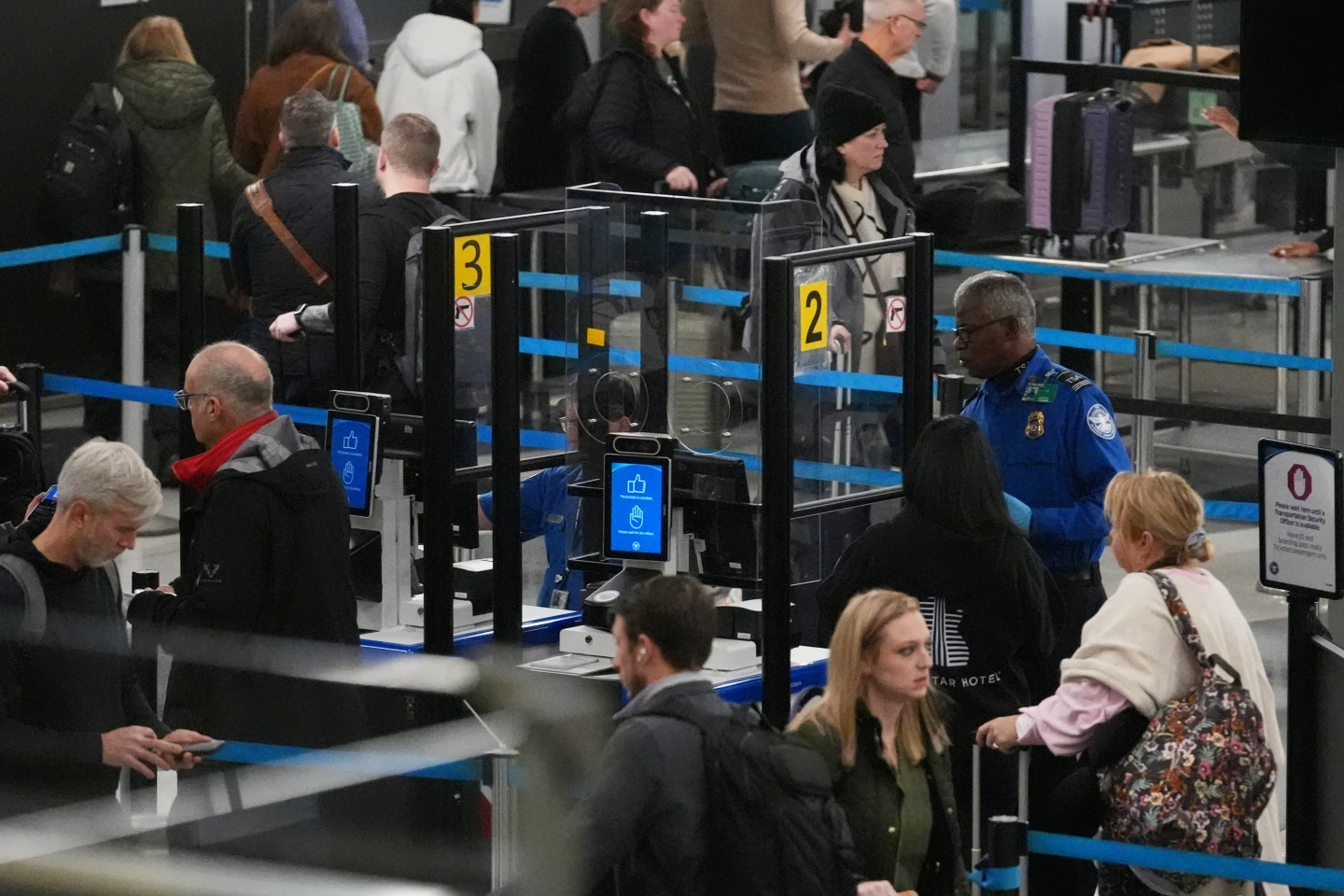
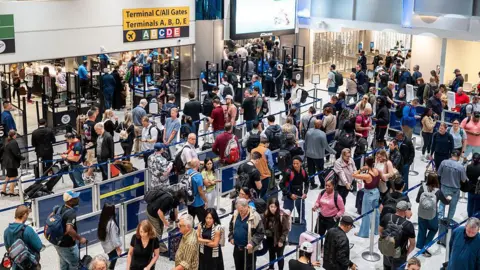
Already, there has been an increase in unscheduled absences among security screeners at some airports. The union representing Transportation Security Administration employees warned that longer lines at security checkpoints could soon become a reality after workers received their final paychecks over the weekend.
Experts and union leaders say the disruptions highlight that the aviation system is already stretched too thin by chronic understaffing and outdated technology. They fear deeper cracks in the system could emerge the longer the shutdown continues and critical aviation workers are without paychecks.
“It’s like having a drought the year after you had a drought,” Greg Raiff, CEO of Elevate Aviation Group, explained.
Problems Have Persisted for Years
These concerns aren’t new. The aviation system buckled under the weight of a 35-day government shutdown during President Trump's first term.
Around the three-week mark in 2019, air traffic controllers, many working up to 60 hours a week, sued the government over missed paychecks. A terminal at Miami International Airport was forced to close due to security screeners calling out sick in large numbers, with some quitting altogether.
“Here we are so many years later, and the problems have not been addressed,” said aviation attorney Ricardo Martinez-Cid, pointing to a mid-air crash over the Potomac River that killed 67 people as a modeling of ongoing risks.
Controller Shortage at a ‘Critical’ Point
Prior to the shutdown, both the FAA and TSA were grappling with staffing shortages of around 3,000 air traffic controllers. Nick Daniels, president of the National Air Traffic Controllers Association, emphasized that staffing levels are the lowest in decades, making even a few absences disruptive.
Despite the FAA setting a goal of hiring 2,000 controllers this year, fully addressing the deep-rooted shortages and modernizing outdated technology will take years. Now, the shutdown threatens to further set back these crucial efforts.
Shutdown Could Increase Gaps in Staffing
Union leaders express concern that the shutdown may further prompt security screeners to leave their positions, while newer air traffic controllers might reconsider their careers due to the fear of future shutdowns.
“All of these air traffic controllers and aviation safety professionals were used as pawns in a political fight that had nothing to do with aviation,” a union leader lamented during congressional hearings amid previous shutdowns. Lawmakers emphasized the need to secure FAA funding to prevent future interruptions.
As the aviation sector continues to face pressures and calls for reform, experts warn that without changes, the vulnerabilities of the air traffic system might persist, risking safety and efficiency in U.S. aviation.