The End of an Era for MetroCards
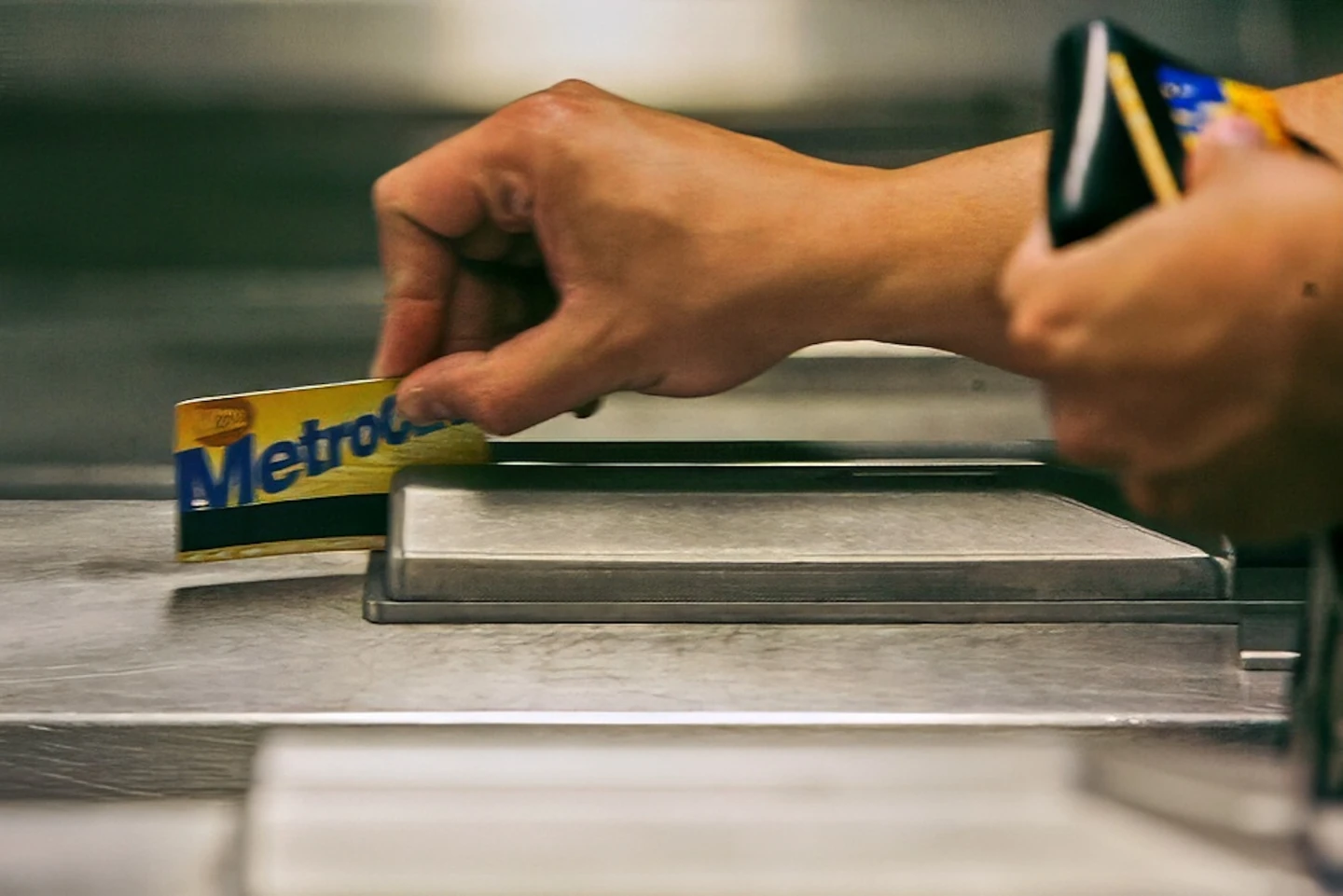
NEW YORK — The MetroCard, which replaced tokens in 1994, will officially retire on December 31, 2025, as New York City's Metropolitan Transportation Authority transitions fully to the OMNY contactless payment system. With more than 90% of subway and bus trips now utilizing the tap-and-go technology introduced in 2019, the change represents a significant modernization in one of the world's largest transit systems.
OMNY allows riders to pay fares using a credit card, smartphone, or other smart devices, resembling systems already implemented in major cities like London and Singapore. With MetroCard technology becoming obsolete, the transit authority is set to save over $20 million annually in MetroCard-related costs.
MetroCards: A Cultural Icon
The MetroCard has played a crucial role in shaping commuting in New York, with the New York Transit Museum curating an exhibit that showcases its legacy. Jodi Shapiro, curator at the museum, highlights the revolutionary impact of the card, which shifted New Yorkers' mindset towards public transportation.
Tokens had been the norm since their introduction in 1953, but the MetroCard introduced a more modern and user-friendly appeal. The Metropolitan Transportation Authority launched public campaigns to help commuters adapt to the new technology, underscoring the card's initial learning curve.
Over the years, the MetroCard became a collector's item, featuring commemorative designs celebrating significant events and iconic figures. Artists and pop culture references adorned the card, marking its status as more than just a means to travel but a symbol of New York City itself.
Changing Times and Concerns
While the transition to OMNY may offer certain conveniences, concerns have emerged regarding data collection practices and how they might affect riders’ privacy. In interviews, some longtime MetroCard users expressed nostalgia for the soon-to-be-retired card. For many, the interaction of swiping a MetroCard has been part of their daily routine and a cultural identifier.
90-year-old Ronald Minor lamented the difficulties older residents might face as the MetroCard disappears. Don’t push us aside and make it like we don’t count, he voiced, reflecting on the need for user-friendly technology in public transportation.
As New Yorkers prepare for this significant change, the legacy of the MetroCard will surely continue to spark memories and discussions about the city's evolving transportation landscape.