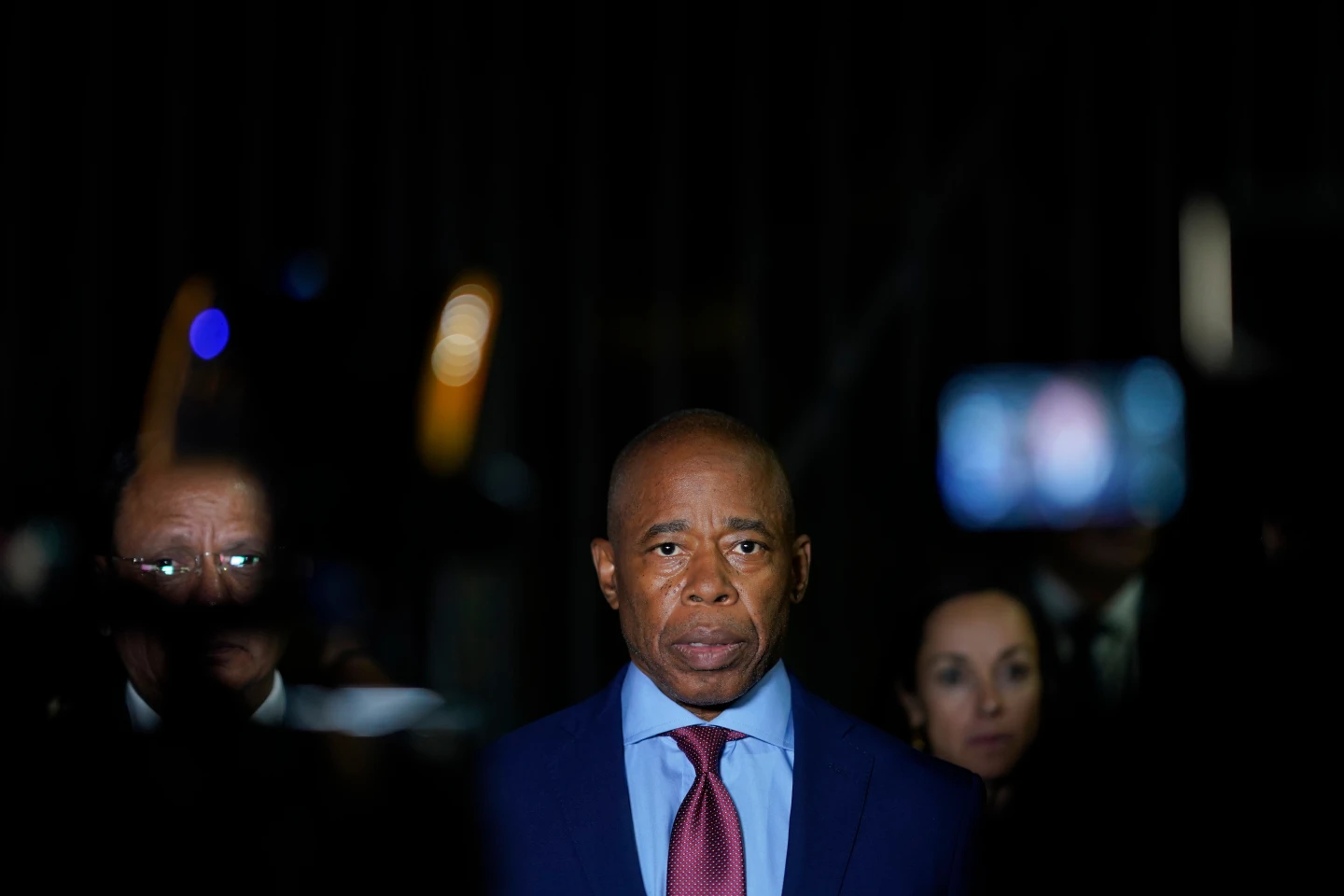
NEW YORK (OnPoint) — Four years ago, New York City Mayor Eric Adams donned the mantle of confidence, vowing to lead in a manner unprecedented in history while asserting himself as the “future of the Democratic Party.” Yet today, as his term inches to a slow conclusion, Adams appears stranded in political obscurity, with his hope of becoming a dominant party figure fading into the background of a tumultuous administration.
In his remaining weeks in office, Adams, 65, has taken to traveling, contemplating a shift to the private sector. He has publicly lashed out against critics, dismissing their failure to recognize his numerous achievements. Many supporters will regard his leadership as a squandered opportunity, noting his significance as only the second Black mayor in the city’s history. Adams emerged as a beacon of recovery post-COVID-19, often connecting the city's resurgence to his own narrative of overcoming a challenging upbringing in Queens.
When numerous Democrats faced challenges addressing voter concerns regarding public safety, Adams made headlines with a “radically practical” agenda aimed at cutting rates of crime and revitalizing the local economy. Despite achieving some success in these areas, the burgeoning crime rates soon returned to pre-pandemic trajectories, and Adams' administration began to attract an infamy of its own: he became the only New York City mayor in modern history to face indictment while in office.
Political strategist Basil Smikle voiced concerns over Adams’ decline, particularly among Black voters who once held high expectations. “He entered with a lot of political capital, and that was squandered, in part because of his own hubris,” Smikle lamented.
The twists and turns of Adams’ governance included personal anecdotes about his disdain for rats and fears of ghosts, his mysterious living arrangements, and an evolvingstance on his diet, showcasing an individual more often noted for idle press chatter than substantial policy advancements.
Adams' reign started amid a COVID-19 spike, leading to escalated safety concerns alongside a struggling economy. He made moves to restore public confidence, increasing police presence and even reviving a controversial anti-crime unit. However, as he donned a charismatic persona, attending exclusive events and restaurants to instill vibrancy back into NYC, there was a simmering frustration among citizens who perceived his 'swagger' as a lack of seriousness.
In late September 2024, the weight of an ongoing federal corruption investigation culminated in charges against him, stemming from accusations of accepting illegal contributions. The shadow of countless scandals, including corruption claims amongst officials he appointed, led to a significant turnover in his administration and a challenge to the legitimacy of his leadership.
Despite Adams’ insistence of being politically targeted due to his critiques of the current administration, his rhetoric has lost its luster, as public discontent swelled. In September, he acknowledged defeat in his re-election efforts, further complicating his political future in a city he struggled to govern amidst mounting pressures.
Today, with his departure approaching, the path forward for Adams remains uncertain. “I did what I had to do, I left everything I had on the ice, and I’m looking forward to the next step of my journey,” he expressed in a farewell address. Shortly after, he boarded a flight to Mexico, leaving behind a city still waiting for the dreams he promised to fulfill.
In his remaining weeks in office, Adams, 65, has taken to traveling, contemplating a shift to the private sector. He has publicly lashed out against critics, dismissing their failure to recognize his numerous achievements. Many supporters will regard his leadership as a squandered opportunity, noting his significance as only the second Black mayor in the city’s history. Adams emerged as a beacon of recovery post-COVID-19, often connecting the city's resurgence to his own narrative of overcoming a challenging upbringing in Queens.
When numerous Democrats faced challenges addressing voter concerns regarding public safety, Adams made headlines with a “radically practical” agenda aimed at cutting rates of crime and revitalizing the local economy. Despite achieving some success in these areas, the burgeoning crime rates soon returned to pre-pandemic trajectories, and Adams' administration began to attract an infamy of its own: he became the only New York City mayor in modern history to face indictment while in office.
Political strategist Basil Smikle voiced concerns over Adams’ decline, particularly among Black voters who once held high expectations. “He entered with a lot of political capital, and that was squandered, in part because of his own hubris,” Smikle lamented.
The twists and turns of Adams’ governance included personal anecdotes about his disdain for rats and fears of ghosts, his mysterious living arrangements, and an evolvingstance on his diet, showcasing an individual more often noted for idle press chatter than substantial policy advancements.
Adams' reign started amid a COVID-19 spike, leading to escalated safety concerns alongside a struggling economy. He made moves to restore public confidence, increasing police presence and even reviving a controversial anti-crime unit. However, as he donned a charismatic persona, attending exclusive events and restaurants to instill vibrancy back into NYC, there was a simmering frustration among citizens who perceived his 'swagger' as a lack of seriousness.
In late September 2024, the weight of an ongoing federal corruption investigation culminated in charges against him, stemming from accusations of accepting illegal contributions. The shadow of countless scandals, including corruption claims amongst officials he appointed, led to a significant turnover in his administration and a challenge to the legitimacy of his leadership.
Despite Adams’ insistence of being politically targeted due to his critiques of the current administration, his rhetoric has lost its luster, as public discontent swelled. In September, he acknowledged defeat in his re-election efforts, further complicating his political future in a city he struggled to govern amidst mounting pressures.
Today, with his departure approaching, the path forward for Adams remains uncertain. “I did what I had to do, I left everything I had on the ice, and I’m looking forward to the next step of my journey,” he expressed in a farewell address. Shortly after, he boarded a flight to Mexico, leaving behind a city still waiting for the dreams he promised to fulfill.