
In brief
The proposed 'Hong Kong-like' project in Great Nicobar threatens both the local tribes, particularly the Shompen, and the island's unique environment, as it aims to boost trade while potentially displacing vulnerable populations and harming biodiversity.
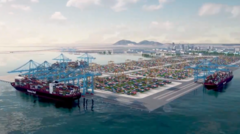
Anice Justin, an anthropologist and lifelong resident of the Andaman and Nicobar Islands, expresses his deep concerns about the Indian government's ambitious development project on the remote Great Nicobar Island. Encompassing a budget of 720 billion rupees ($9 billion), this initiative includes the construction of a transshipment harbour, an airport, a power plant, and a new township over a sprawling area of 166 square kilometres. Projected to enrich international trade routes and accommodate approximately 650,000 residents over the next 30 years, the development has been termed a 'Hong Kong-like' project by officials.However, many local residents fear that this project will lead to the erosion of their land and cultural identity. The Nicobar Islands, a part of a federally-administered territory, are inhabited by several indigenous tribes, some of which are classified as "particularly vulnerable." Among these tribes, the Shompen are at severe risk due to the project’s implications for their environment and traditional way of life.While the Indian government has assured that the project will not displace indigenous tribes and only a fraction of the island's forests will be cleared, environmentalists and experts argue otherwise. The federal Environment Ministry has claimed that just 14% of the island's area will be affected, but many warn that this figure underestimates the widespread ecological disruption that the port infrastructure will cause.Madhav Gadgil, an ecologist, asserts that the extensive pollution from the development will severely impact the unique habitat that exists on Great Nicobar Island, which is predominantly covered in rainforests rich with endemic species. Additionally, there are grave concerns regarding the Shompen, whose nomadic lifestyle relies heavily on the forest for survival. Justin emphasizes that the disruption of their habitat would be transformative, forever changing the dynamics of their culture.Environmental scientists have highlighted the detrimental impacts on the marine ecosystems of Galathea Bay, known as a nesting haven for giant leatherback sea turtles. Experts warn that manipulative methods such as relocating corals may not yield positive results, thereby threatening additional species within this biodiverse region.The project raises anxieties not only for the ecological future of the region but also introduces high health risks for indigenous populations who have little to no immunity to diseases introduced by outside contact. Callum Russell from Survival International explains that such exposure could result in catastrophic population declines for uncontacted people.With competing interests between economic development and ecological preservation, the fate of the Great Nicobar Island hangs in the balance as it enters a new era of threats and possibilities. Residents and advocates continue to call attention to the profound changes that this ambitious plan may invoke, fearing an irreversible shift in both culture and environment.
