
In brief
The UN human rights chief has declared that northern Gaza is experiencing its most critical state due to relentless bombings and a humanitarian crisis, urging global leaders to intervene and uphold humanitarian laws. With reports of significant civilian and medical casualties emerging as Israeli forces continue operations, the international community faces mounting pressure to address the escalating violence and displacement.
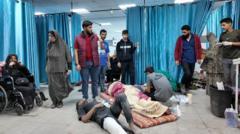
The ongoing conflict in Gaza has reached a purportedly critical juncture, with the UN's human rights chief, Volker Türk, characterizing the situation in northern Gaza as the war's "darkest moment." He cited the Israeli military's continuous bombings, the siege on civilians, and imminent threat of starvation as key concerns. Türk emphasized the responsibility of global leaders to adhere to the Geneva Conventions and protect the rights of civilians amidst the conflict. Remarkably, no official reaction was immediately forthcoming from the Israeli military; however, they reported that their operations have targeted and eliminated a significant number of suspected militants while facilitating the evacuation of approximately 45,000 civilians from Jabalia since entering the area on October 6th. The World Health Organization (WHO) raised alarms over the treatment of patients at Kamal Adwan hospital in Beit Lahia after reports of Israeli raids purportedly detaining patients and staff. Dr. Tedros Adhanom Ghebreyesus from WHO expressed grave concern over losing contact with the hospital, where around 200 patients had been receiving care.The situation has further deteriorated for the Palestinian people in Gaza, with reports indicating that hundreds have died and thousands are displaced due to military actions. Residents unable to evacuate are facing dire conditions, marked by dwindling food supplies and essential resources. Türk, highlighting the severity of the ongoing crisis, warned that Israeli policies risk existential consequences for the Palestinian population in the region, potentially amounting to crimes against humanity.In a pressing statement, Türk urged nations worldwide to uphold humanitarian standards and reinforce protections for civilians, particularly in light of the concerning operational tactics employed by armed groups amidst civilian populations. Notably, his comments included strong implications of genocide, although previously such terminology has been cautiously avoided by senior UN officials regarding this conflict.Reports from within Gaza described alarming events at Kamal Adwan hospital, indicating that Israeli forces executed a raid leading to the detainment of patients and healthcare workers. Eyewitness accounts recounted disturbing circumstances, with medical staff asserting that their facilities became targets rather than havens for care. Emergency healthcare has been severely disrupted as hospitals are besieged, and Dr. Tedros called for an immediate ceasefire to protect health workers and facilities. Following a partial evacuation by WHO teams, communication has since faltered, exacerbating concerns for the patients and medical personnel still inside.Global diplomatic efforts, particularly from Jordanian Foreign Minister Ayman Safadi, have called for action against the deteriorating humanitarian conditions in Gaza, warning of possible ethnic cleansing as the situation remains tense. Similarly, US Secretary of State Antony Blinken is engaged in discussions with Middle Eastern leaders regarding a ceasefire and the future of Gaza, while Israeli officials deny allegations of systemic displacement of civilians, insisting they are focused on civilian safety.With over 42,840 lives reportedly lost since the escalation of hostilities, the conflict continues to provoke anxiety about regional stability and humanitarian intervention.



