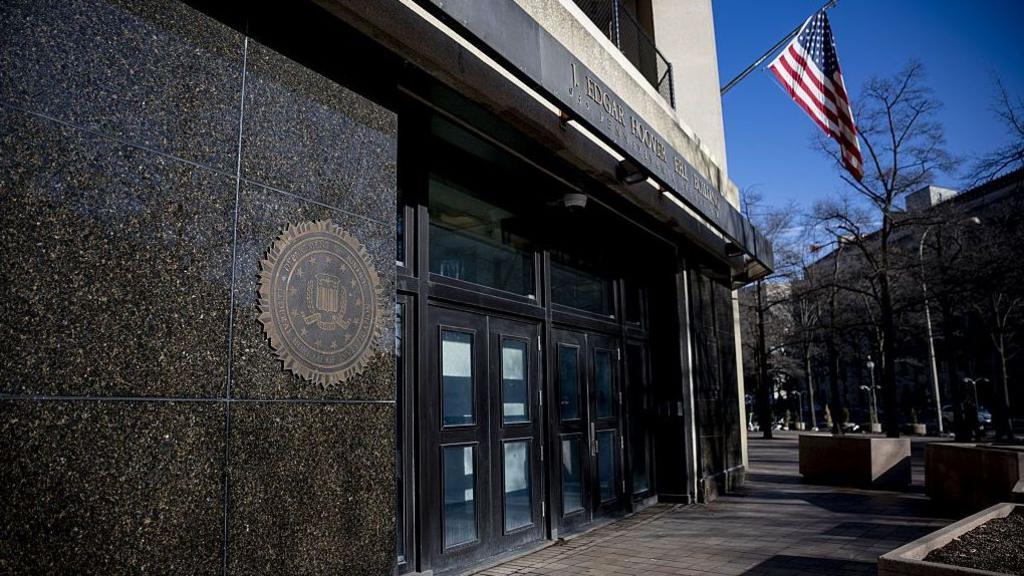
Deep inside the halls of the nation’s most secure agency a quiet but fatal crack has opened. A hacker collective known as ShinyHunters infiltrated the FBI’s network and downloaded data that belongs to every employee of the office, from contact details to medical examinations. The breach, which came to light in the early part of September, has set off a wave of fear among current and former agents who now worry that their lives and those of their families could be endangered.
The group that claims responsibility posts proof of the stolen material on a dark‑web forum. Names, home addresses, badge numbers and even notes about allergies and cholesterol levels are listed. Testimony from a former cyber investigator shows that the information is not just personal; it could be used to fashion realistic phishing emails that prey on specific team members. There are also warnings about “violence‑as‑a‑service” operations that could orchestrate real‑world attacks on agents who have investigated their victims.
Why does ShinyHunters want the data released? Their instruction is unusual for a threat gang: they demand that the FBI pull back an advisory issued in May before they put the stolen tables online. The advisory, officials say, offended the hackers and they see the drop as leverage. The FBI, which has not confirmed the veracity of the claims, has stated it is “aggressively investigating” how the breach took place and is unlikely to compromise the demand.
The incident has sparked anger within the agency. Several insiders describe the security failure as “sloppy and lazy,” calling attention to gaps that a well‑funded organization should have closed months ago. There is a genuine debate on whether the agency is doing enough to erase personal data from brokers and other public sources. One former operator suggested that the only response that matters is a public commitment to provide real safeguards rather than a reactive cleanup service.
Expert witnesses have referenced past data thefts by the FBI that still circulate on the dark web years later. They warn that the longer the data remains there, the more “signature” the breach becomes, giving attackers a template for future intrusions into government networks.
The larger implications touch on national security. If foreign intelligence agencies learn that our investigators are moving house and have particular health vulnerabilities, they may target these individuals for recruitment or intimidation. The cyber‑crime world is no longer a purely virtual domain; the lives of people stationed on the front lines can be called into play through a series of coordinated online moves.
How the FBI will handle the fallout remains unclear. In the most optimistic scenario the data never reaches the open internet and the agency can rebuild trust internally. In a worst‑case scenario, large swaths of the workforce could be exposed to targeted scams or even violent attacks—an outcome the screen‑facing investigators of the Patriarchal system seem desperate to prevent.